
Air Import Export Freight: Master Guide & Solutions for Global Procurement Leaders
Unlocking Strategic Efficiency, TSA Compliance, Volumetric Cost Reductions, and Seamless Cross-Border Logistics Across Worldwide Air Trade Lanes.
Navigating Modern Air Import Export Freight in a Dynamic Global Economy
In today's highly synchronized global supply chain, Air Import Export Freight serves as the foundational backbone for high-value, time-critical, and temperature-sensitive merchandise. Modern enterprise procurement teams, global sourcing directors, and supply chain managers face unprecedented volatility—ranging from shifting carrier belly-capacity constraints to evolving international customs compliance frameworks. Navigating this landscape requires more than just booking air space; it demands a deep operational understanding of International Air Transport Association (IATA) standards, Transportation Security Administration (TSA) regulations, and strategic volumetric weight optimization.
Whether importing advanced electronic components from Asia into North American manufacturing centers or exporting medical technology to European hubs, air cargo velocity directly impacts working capital turnover and competitive time-to-market. At Recommended Cargo Logistics, based in Los Angeles, California, we leverage over two decades of hands-on freight forwarding expertise to transform air cargo from a reactive cost center into a strategic supply chain asset.
Information Gain Key Takeaway: Volumetric Weight vs. Actual Weight
Global air freight is billed on Chargeable Weight, which is determined as the greater of the Actual Gross Weight (kg) or the Volumetric (Dimensional) Weight. The standard IATA volumetric ratio for air cargo is 1:6000 (or 167 kg per cubic meter). In contrast, express courier models often utilize 1:5000 ratios. Sourcing managers can achieve up to a 15–25% freight cost reduction simply by re-engineering product packaging to maximize density before requesting carrier quotes.
Tailored Air Import Export Freight Service Solutions
Selecting the optimal air cargo shipping model depends entirely on your procurement timeline, budget constraints, cargo dimensions, and hazard classifications. Recommended Cargo Logistics offers five specialized air freight service recommendations tailored for global buyers and exporters:
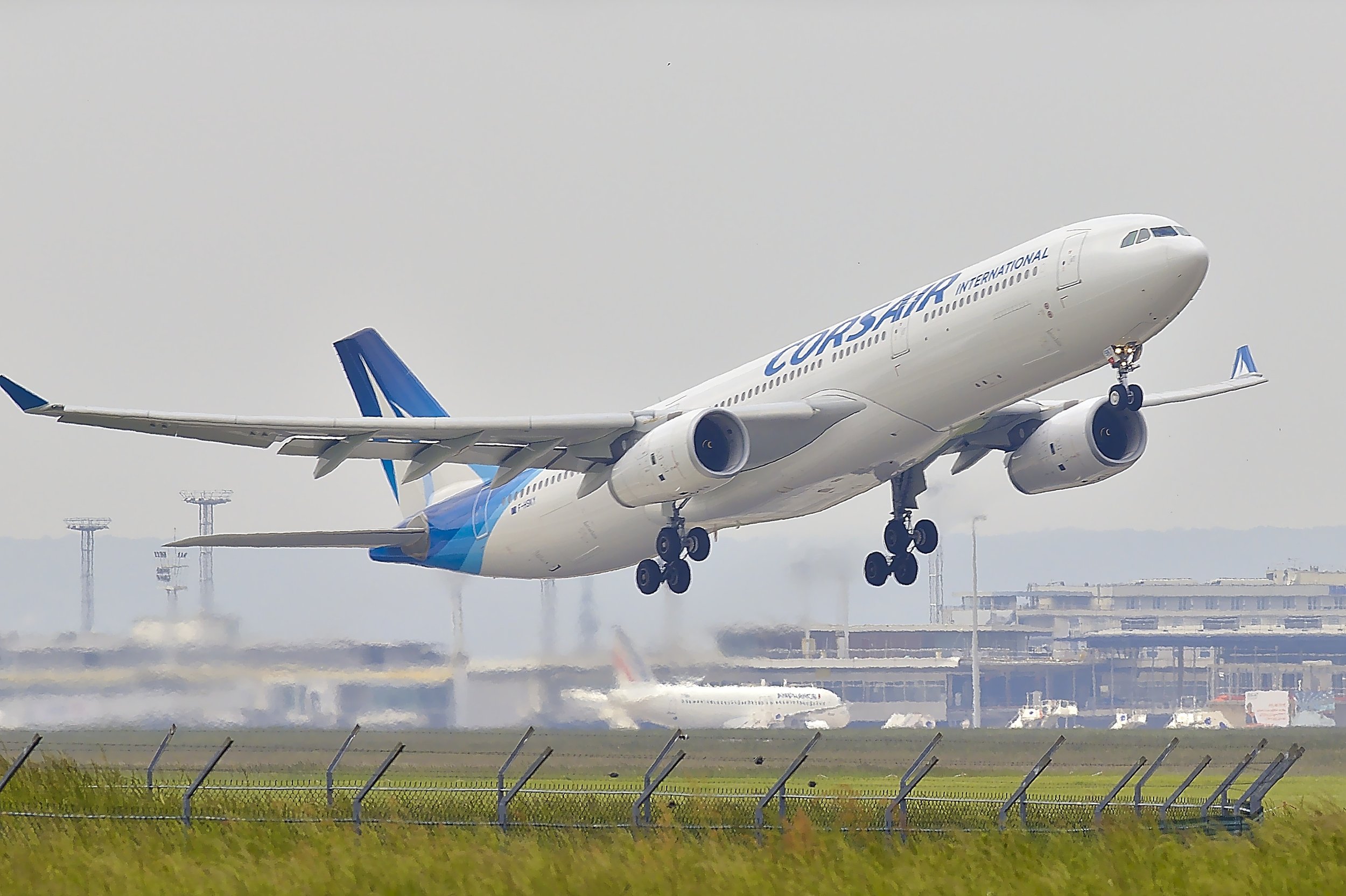
1. Priority Expedited / Next-Flight-Out (NFO)
Ideal For: Aircraft-on-Ground (AOG), emergency automotive replacement parts, high-tech product launches, and urgent medical shipments.
Service Dynamics: Guaranteed space allocation with direct airline carrier routing, minimal transit times (24 to 48 hours door-to-door), and prioritized ramp handling at origin and destination hubs.
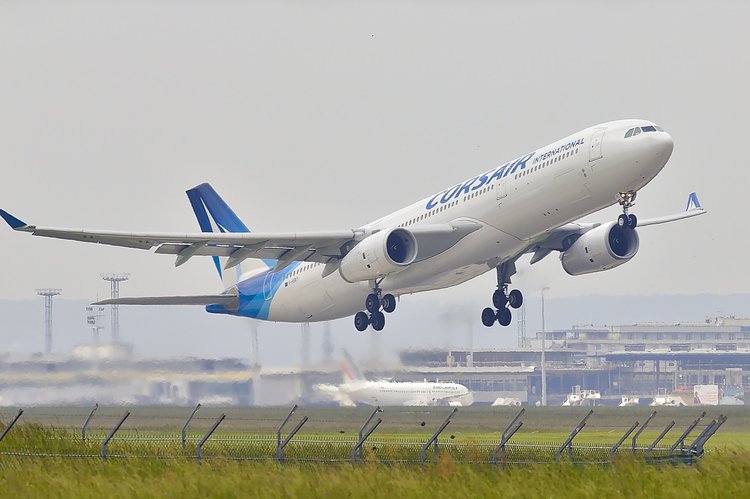
2. Standard Consolidated Air Freight (Air Consol)
Ideal For: Regular scheduled production inventory, high-value consumer goods, apparel, and industrial equipment.
Service Dynamics: Combining multiple shipments into dedicated Unit Load Devices (ULDs) on fixed flight schedules (3 to 5 days transit). Provides significantly lower cost per kilogram while maintaining high reliability.

3. Integrated Air Import Customs Brokerage
Ideal For: Cross-border buyers requiring immediate, compliant U.S. Customs and Border Protection (CBP) clearance.
Service Dynamics: In-house licensed brokers handling automated Manifest System (AMS) filings, Partner Government Agency (PGA) reviews (FDA, FCC, DOT), tariff classification (HTS codes), and duty drawback processing.
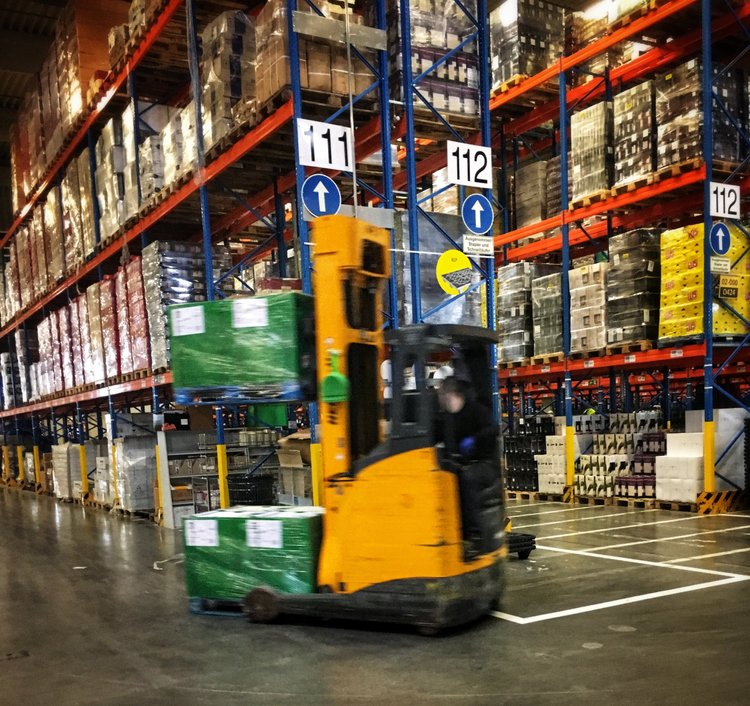
4. Air-to-Ground Transloading & First/Last-Mile Delivery
Ideal For: Urgent inbound international air cargo requiring immediate breakdown and distribution across North America.
Service Dynamics: Direct airport pickup from major hubs (such as LAX) to our City of Industry warehouse for immediate deconsolidation, palettization, and onward FTL/LTL nationwide distribution.
| Air Service Category | Transit Window | Cost Index | Best Suited Sourcing Scenario |
|---|---|---|---|
| Next-Flight-Out (NFO) | 24 - 36 Hours | Premium ($$$$) | Supply chain disruptions, line-stoppage emergencies, critical spares. |
| Priority Direct Air | 1 - 3 Days | High ($$$) | Perishable biologicals, high-value electronics, seasonal product launches. |
| Consolidated Air Freight | 3 - 5 Days | Moderate ($$) | Standard global procurement, scheduled manufacturing replenishment. |
| Sea-Air Multimodal | 7 - 10 Days | Economical ($) | Cost-conscious buyers needing faster transit than pure ocean freight. |
Need Immediate Capacity on Critical Air Import/Export Lanes?
Get personalized routing, direct carrier space allocations, and transparent rate quotes within hours from our Los Angeles logistics control center.
Get a QuoteFuture Procurement Trends in Global Air Freight (2025–2030)
Global procurement models are undergoing structural transformations driven by geopolitical realignment, regulatory mandates, and technological integration. Sourcing executives analyzing air import export freight must align their multi-year strategies with the following structural trends:
1. Decarbonization Mandates & Sustainable Aviation Fuel (SAF)
Environmental, Social, and Governance (ESG) compliance has transitioned from marketing collateral to legal mandate across Europe and North America. Airlines are increasingly passing SAF surcharges to freight forwarders and shippers. Advanced procurement strategies now integrate Scope 3 emissions reporting directly into freight tender evaluations. Forward-thinking procurement teams are establishing carbon-indexed logistics budgets to prepare for upcoming carbon taxation models on international trade lanes.
2. Shift from Pure Offshoring to Nearshoring & Multi-Hub Sourcing
The concentration of global manufacturing in single geographical zones has evolved into regionalized "China+1" and nearshoring models (e.g., expansion in Mexico, Vietnam, India, and Eastern Europe). Consequently, air freight routing is shifting from traditional point-to-point mega routes to secondary airport hubs. Procurement managers must build agile air logistics partnerships capable of handling complex intra-regional feeder routes and multi-gateway customs entries.
3. AI-Powered Dynamic Capacity & Algorithmic Rate Benchmarking
Real-time spot market pricing is replacing static annual contracts in global air freight procurement. Artificial intelligence engines now evaluate flight schedules, weather vectors, belly-capacity forecasting, and historical yield metrics to optimize booking timing. Sourcing teams partnering with digital-first freight forwarders gain access to algorithmic rate benchmarking, minimizing premium spot-rate exposure during peak seasonal surges.
4. Electronic Air Waybill (e-AWB) & Automated CBP Entry Clearance
Paper-based documentation in air logistics is rapidly reaching obsolescence. The universal adoption of IATA's e-AWB standard, combined with automated U.S. Customs and Border Protection (CBP) Automated Commercial Environment (ACE) filings, enables pre-arrival customs clearance while cargo is mid-flight. This operational synchronization reduces airport dwell times at major gateways like Los Angeles (LAX) from 24 hours down to under 4 hours.

Integrated Multimodal Feeder Networks
Future air cargo procurement relies heavily on seamless ocean-to-air and air-to-truck modal shifts. Combining long-haul ocean legs with expedited air regional distribution reduces total transit cost while preserving speed-to-market flexibility.
.jpg)
Belly Cargo vs. Freighter Fleet Dynamics
As international passenger travel continues to shift, passenger aircraft belly space represents over 50% of global air cargo capacity. Procurement strategies must dynamically balance passenger flight schedules against freighter aircraft reliability.
Operational Excellence: Air Import vs. Air Export Mechanics
Executing air import export freight flawless requires meticulous attention to operational handoffs, regulatory filings, and physical cargo handling. Recommended Cargo Logistics maintains strict operational protocols for both inbound and outbound international movements:
Air Export Logistics Workflow (Outbound from the United States)
- TSA Known Cargo Screening: As a TSA-approved Indirect Air Carrier (IAC), we ensure all outbound air freight originates from vetted Known Shippers or undergoes certified TSA screening prior to tender to commercial air carriers.
- Electronic Export Information (EEI) / AES Filing: Automated filing of Automated Export System (AES) declarations for shipments exceeding $2,500 per Schedule B commodity code or requiring export validation licenses.
- Master & House Air Waybill Execution: Structuring Master Air Waybills (MAWB) for carrier contracting and House Air Waybills (HAWB) for buyer-seller commercial clarity.
- Gateway Cargo Tender: Direct delivery into airline cargo terminals at Los Angeles International Airport (LAX) and major U.S. gateways with strict cut-off time management.
Air Import Logistics Workflow (Inbound into the United States)
- Pre-Arrival AMS & Manifest Transmission: Direct electronic reporting to U.S. Customs prior to aircraft landing to facilitate immediate cargo release upon arrival.
- In-House Customs Clearance & Duty Payment: Seamless HTS code verification, Partner Government Agency (PGA) releases (FDA, EPA, FCC), and duty settlement via Automated Clearinghouse (ACH).
- Airport Pickup & Transloading: Rapid pickup from airline cargo facilities to avoid costly storage fees (demurrage), followed by immediate devanning or palettization at our City of Industry facility.
- Final Mile Inland Delivery: Door-to-door delivery across all 48 contiguous states using specialized LTL, FTL, or temperature-controlled trucking fleets.
Why Enterprise Procurement Leaders Choose Recommended Cargo Logistics
In international logistics, trust is earned through demonstrated performance, legal compliance, and absolute accountability. Recommended Cargo Logistics, Inc. stands apart as a premier TSA-approved freight forwarder and logistics engine headquartered in Southern California.
20+ Years of Proven Expertise
Our veteran logistics team brings over two decades of practical experience navigating international customs laws, global carrier alliances, and complex routing challenges. We treat your cargo with the attention and care of a dedicated partner.
TSA-Approved Indirect Air Carrier (IAC)
Our official TSA approval guarantees that your air export shipments strictly adhere to Federal Aviation Security Standards, enabling seamless booking across major passenger and cargo airlines globally.
Direct Communication & Single Point of Contact
Eliminate endless call centers and generic automated response systems. As a family-owned business, we provide direct access to dedicated freight specialists who understand your account history and business requirements.
Complete End-to-End Logistics Architecture
From air and ocean freight forwarding to licensed customs brokerage, container transloading, inland trucking across 48 states, and comprehensive cargo insurance—we handle every link in your supply chain under one roof.
Ready to elevate your global air import export logistics?
Get a QuoteFrequently Asked Questions: Air Import Export Freight Logistics
Answers to critical questions asked by enterprise global buyers, compliance officers, and procurement managers when organizing international air freight shipments:
International air cargo charges are based on Chargeable Weight, which is defined as the higher value between actual gross weight and volumetric (dimensional) weight.
The standard IATA formula for volumetric weight in centimeters is:
Volumetric Weight (kg) = [Length (cm) × Width (cm) × Height (cm)] / 6000
If measured in inches:
Volumetric Weight (lbs) = [Length (in) × Width (in) × Height (in)] / 166
Recommended Cargo Logistics assists buyers in analyzing crate dimensions to optimize chargeable weight before booking space.
All air cargo entering or exiting the U.S. is subject to strict Transportation Security Administration (TSA) regulations and U.S. Customs and Border Protection (CBP) mandates.
For Air Export, cargo must originate from a TSA-vetted "Known Shipper" or undergo physical/X-ray screening at a TSA-approved screening facility (CCSF). Recommended Cargo Logistics is a fully accredited TSA Indirect Air Carrier (IAC).
For Air Import, pre-arrival manifest filings via Air Automated Manifest System (Air AMS) are required prior to flight departure to identify high-risk shipments before entering U.S. airspace.
A Master Air Waybill (MAWB) is the contract issued directly by the operating airline to the freight forwarder. It covers the main transport leg between origin and destination airport hubs.
A House Air Waybill (HAWB) is issued by the freight forwarder (Recommended Cargo Logistics) to the actual shipper/buyer. It contains complete contract terms, individual shipment details, door-to-door delivery instructions, and specific customs release information.
Air import shipments require fast-track customs clearance due to tight airport dwell time windows (typically 24–48 hours free storage at airline terminals before demurrage fees accrue).
Our in-house licensed customs brokerage team initiates electronic pre-clearance filings while your cargo is in transit. Upon arrival at Los Angeles International Airport (LAX), goods are cleared immediately, transferred to our transloading facility, and prepped for nationwide truck dispatch.
While air freight has a higher cost per kilogram than ocean shipping, it is the optimal procurement choice when:
- Cargo Value Density: High unit-value items (electronics, pharmaceuticals, luxury goods) where inventory carrying costs outweigh freight differentials.
- Time Sensitivity: Production line shutdowns, seasonal retail launch deadlines, or perishable goods requiring sub-5 day transit.
- Supply Chain Resilience: Port congestion, canal delays, or maritime strikes requiring immediate modal shifts to maintain shelf presence.
We mitigate risks through rigorous carrier vetting, direct airline bookings, professional cargo palettization, and comprehensive Cargo Insurance Coverage.
Standard carrier liability limits under the Montreal Convention are often limited to approximately 22 SDRs (Special Drawing Rights) per kilogram. Our optional full-value cargo insurance protects your cargo against physical loss or damage from warehouse pickup to final destination delivery.