RC
Written by the Supply Chain & SEO Strategy Directorate
Recommended Cargo Logistics, Inc. | Updated for Global Importers & Enterprise Procurement Leaders
1. Demystifying Less Than Truckload Freight (LTL) in Global B2B Supply Chains
In modern enterprise logistics, Less Than Truckload Freight (LTL) serves as the indispensable operational backbone for shippers whose cargo volume exceeds parcel constraints yet does not require a full 48-foot or 53-foot trailer. For international purchasing directors, cross-border traders, and North American distribution managers, mastering LTL transport is no longer merely a freight exercise—it is a critical lever for working capital optimization, inventory velocity, and gross margin protection.
Unlike Full Truckload (FTL) shipping, where a single buyer leases an entire trailer for direct point-to-point transit, Less Than Truckload Freight aggregates shipments from multiple enterprise clients into a single co-loaded hub-and-spoke network. Cargo typically ranges between 150 lbs and 15,000 lbs (occupying 1 to 6 pallets or up to 12-14 linear feet of trailer space). However, navigating the inherent mechanics of LTL shipping requires rigorous engineering around NMFC (National Motor Freight Classification) codes, density ratios, dimensional weight rules, hub cross-dock handling, and accessorial fee structures.
Core Information Gain: Why LTL Density Engineering Matters
Most enterprise importers experience margin erosion in domestic LTL because they treat LTL freight quotes as static linear rates. In reality, modern LTL freight pricing relies heavily on dynamic density tariffs ($PCF = \text{Weight in Lbs} / \text{Cubic Feet}$). Under-optimizing pallet dimensions or selecting an incorrect NMFC code can result in re-weigh penalties, re-classification surcharges, and volumetric billing spikes of up to 40% per lane.
As global trade flows adapt to post-pandemic nearshoring, port congestion mitigation, and inventory just-in-time (JIT) recalibration, Recommended Cargo Logistics delivers tailored LTL freight consolidation and inland transportation programs engineered specifically to eliminate friction between ocean/air import arrival terminals and final destination warehouses across all 48 continental U.S. states.
2. Enterprise Recommended LTL Freight Solutions & Product Offerings
Every commercial cargo profile requires a specialized logistics mechanism. Recommended Cargo Logistics provides a strategic spectrum of Less Than Truckload Freight configurations designed to maximize cube utilization, mitigate freight damage, and secure predictable transit schedules.
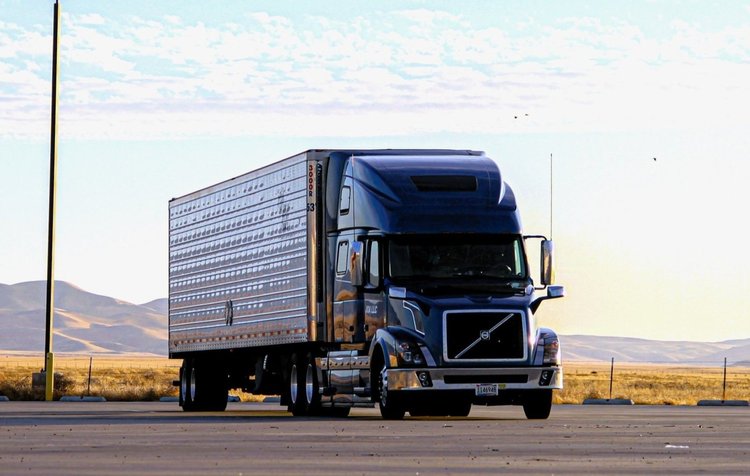
Standard Consolidated Palletized LTL
Our core domestic service for commercial B2B freight. Engineered for standard GMA pallets (48"x40"), crate packaging, and stackable industrial goods. Leveraging our national hub-and-spoke carrier network, we secure wholesale tier discounts, real-time tracking, and automated bill-of-lading (BOL) generation for hassle-free interstate transport.
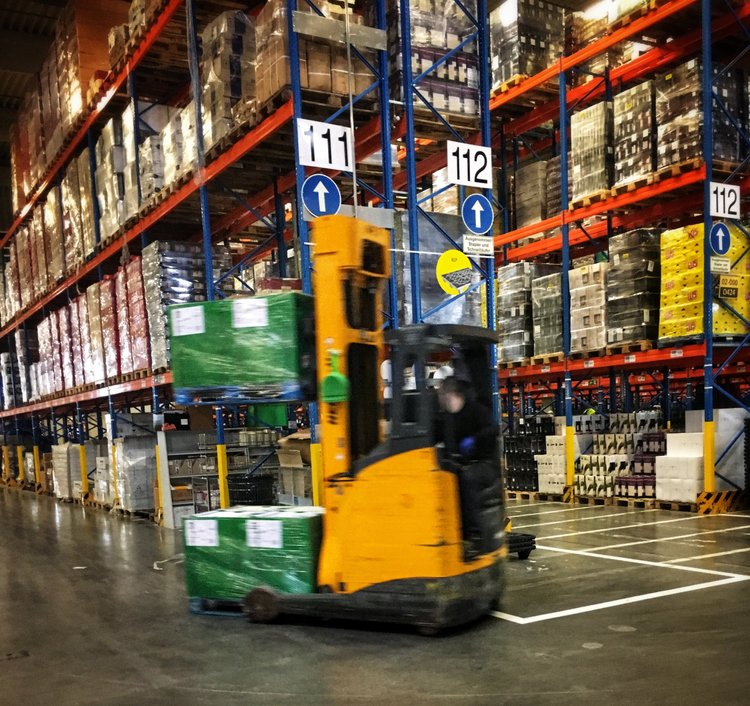
Port Transloading & De-Consolidation LTL
Tailored specifically for global buyers importing via the Ports of Los Angeles and Long Beach. We strip 40ft/45ft FCL ocean containers at our City of Industry warehouse, palletize loose cartons, sort by SKU/destination, and immediately dispatch cargo into regional LTL networks—saving up to 35% compared to inland ocean bill (IPI) rail rates.

TSA-Secured & Air Freight Connection LTL
As a TSA-approved Indirect Air Carrier (IAC) and logistics provider based in Los Angeles, we handle high-value, time-critical air freight transfers directly from LAX air cargo terminals into expedited LTL channels. We maintain chain-of-custody protocols for sensitive high-tech, automotive, and medical goods.

Customs-Cleared Cross-Border LTL Freight
Complete end-to-end integration of in-house licensed customs brokerage with domestic LTL delivery. We clear customs prior to port/airport exit, preventing demurrage and detention charges, before seamless injection into nationwide Less Than Truckload distribution lanes.
Comparison Matrix: LTL vs. FTL vs. Air/Parcel Shipping
To assist procurement managers in choosing the exact operational threshold for their cargo, review our technical decision matrix below:
| Logistics Mode |
Optimal Weight Range |
Pallet Count / Volume |
Primary Pricing Driver |
Best Use Case Scenario |
| Small Parcel |
1 lbs – 150 lbs |
Loose Cartons |
Dimensional Weight & Zone |
E-commerce & individual package delivery |
| LTL Freight |
150 lbs – 15,000 lbs |
1 to 6 Pallets (<12 Linear Ft) |
Density (PCF) & NMFC Freight Class |
Mid-sized enterprise shipments & transloaded goods |
| Volume LTL / Partial |
12,000 lbs – 24,000 lbs |
6 to 12 Pallets (12-28 Linear Ft) |
Linear Footage & Volume Discount |
Large consolidated orders not requiring full trailer space |
| Full Truckload (FTL) |
24,000 lbs – 45,000 lbs |
13 to 26 Pallets (53 Linear Ft) |
Flat Mileage Rate per Lane |
High-volume bulk movement, dedicated point-to-point |
3. Future Procurement Trends in Less Than Truckload Freight (2025–2030)
Global procurement is undergoing a structural transformation driven by real-time algorithmic visibility, volatile fuel pricing, and shifting trade routes. Buyers who rely on outdated freight buying strategies risk financial drag. Here are the macro procurement trends shaping the future of LTL shipping:
1. Dynamic AI-Driven Density Tariffs
LTL carriers are rapidly shifting away from legacy NMFC classification lookup tables toward automated dimensioners (VLM sensors) installed at terminal cross-docks. Future LTL procurement will rely 100% on real-time cubic density pricing ($PCF$). Importers must optimize box dimensions, minimize overhang, and utilize high-density pallet packing strategies to secure top-tier freight rates.
2. Port-Centric Transloading over Inland Rail (IPI)
Escalating Class I railroad congestion and intermodal ramp delays have accelerated the shift toward port transloading. International buyers are bypassing traditional intermodal ocean bills of lading, choosing instead to de-consolidate containers near major ocean gateways like Los Angeles and injecting goods directly into domestic LTL networks for rapid last-mile delivery.
3. Nearshoring & Multi-Hub Regionalization
With manufacturing expanding heavily in North American nearshoring centers, enterprise supply chains are establishing regional sub-hubs. Less Than Truckload freight is becoming the primary operational mechanism to move smaller, more frequent replenishments between regional fulfillment centers rather than holding massive safety stock in centralized mega-warehouses.
4. Scope 3 ESG Emissions Auditing in LTL Shared Space
Multinational corporations are now mandated to report carbon intensity across their transport network. Co-loaded LTL trailers naturally yield lower per-unit carbon footprints than underutilized FTL runs. Freight buyers are demanding carbon-accounting telemetry integrated into their freight billing systems to satisfy ESG compliance standards.
4. Industry & Technological Trends Driving LTL Freight Transformation
The operational mechanics inside LTL terminals are advancing faster than ever before. Key technological innovations are eliminating legacy pain points such as freight loss, mishandling, and tracking blind spots:
- Automated Pallet Dimensioning & Weight Verification: Modern LTL break-bulk hubs now deploy infrared overhead scanners that capture exact length, width, height, and gross weight within 3 seconds as forklifts pass through inbound bays. This technology standardizes freight billing while penalizing inaccurate shipper declarations. Recommended Cargo Logistics pre-audits client cargo dimensions to guarantee invoice accuracy.
- Item-Level & Pallet-Level IoT Tracking: Bluetooth Low Energy (BLE) and cellular tracking tags attached directly to LTL pallets provide continuous location, shock monitoring, and tilt telemetry. This technology provides global buyers with real-time visibility through every terminal transfer in the hub-and-spoke sequence.
- Cross-Dock Automation & Predictive Routing: Terminal operators are utilizing AI-driven dock management software to direct forklift traffic dynamically, ensuring pallets are sorted onto outbound line-haul trailers based on real-time traffic, weather, and destination queue bottlenecks.
5. Global Buyer FAQ: Addressing Critical Intent & Complex LTL Questions
Based on deep semantic search analytics and real queries submitted to AI-driven search engines by enterprise procurement managers, here are definitive answers to the most crucial Less Than Truckload Freight questions:
How is LTL Freight calculated, and how can I prevent unexpected re-weigh and re-class surcharges?
LTL freight rates are determined by five primary variables: 1) Origin/Destination Zip Codes (Distance & Lane Density), 2) Gross Billing Weight, 3) Cubic Density (Pounds Per Cubic Foot - PCF), 4) NMFC Freight Class (ranging from Class 50 to Class 500), and 5) Accessorial Requirements (e.g., liftgate, residential delivery, inside pickup).
To prevent re-weigh and re-class penalties, shippers must measure the total pallet dimensions including packaging overhang ($L \times W \times H$ in inches divided by 1728 to yield cubic feet) and declare exact gross scale weights on the Bill of Lading. Recommended Cargo Logistics pre-classes your cargo using certified NMFTA benchmarks to prevent post-delivery carrier billing disputes.
What is the tipping point where switching from LTL to Full Truckload (FTL) becomes more cost-effective?
The tipping point typically occurs when your cargo reaches 6 to 8 standard pallets, weighs over 12,000 to 15,000 lbs, or occupies more than 12 to 14 linear feet of trailer space. At this volume, LTL carriers invoke "Capacity Load Rules" or "Linear Foot Minimum Charges" (LFC), which significantly spike LTL rates.
When cargo exceeds 12 linear feet, securing a Partial Truckload (Volume LTL) or dedicated FTL trailer often results in a lower total cost per unit while eliminating intermediate terminal handling and reducing overall transit time.
How does ocean container transloading in Los Angeles connect with domestic LTL shipping?
When importing goods from overseas via the Southern California gateway, shipping full ocean containers directly to inland destinations via rail (IPI) can be slow and expensive. Through port transloading, your container is drayaged from the Port of LA/Long Beach directly to our nearby City of Industry warehouse.
We un-stuff the container, palletize and stretch-wrap the goods, apply retail compliance labeling, and dispatch individual orders via domestic LTL to multiple nationwide distribution centers. This strategy reduces ocean carrier container hold times, avoids demurrage, and speeds up product availability.
What are LTL accessorial charges, and how can global buyers mitigate them?
Accessorial charges are specialized service fees billed by LTL carriers for operations beyond standard dock-to-dock transport. Common accessorials include: Liftgate Pickup/Delivery, Residential/Limited Access Delivery, Appointment/Notify Prior to Delivery, Re-consignment, and Storage fees.
Global buyers can mitigate accessorial fees by verifying receiving facility capabilities prior to tendering shipment. Explicitly communicating facility constraints (e.g., lack of a loading dock or forklift) upfront on the Bill of Lading prevents unexpected destination detention or re-delivery charges.
How does cargo insurance function for LTL shipments compared to FCL or FTL transport?
Under standard carrier terms (governed by the Carmack Amendment in the U.S.), LTL carrier liability is severely restricted—often capped as low as $0.10 to $2.00 per pound for used or improperly packaged goods, regardless of actual cargo value. In contrast, Full Truckload or Full Container Load shipments typically carry higher baseline coverage limits.
Because LTL freight undergoes multiple forklift transfers at break-bulk cross-docks, the risk of transit handling exposure increases. Recommended Cargo Logistics strongly advises enterprise buyers to secure All-Risk First-Party Cargo Insurance to cover the full invoice value of goods plus freight costs during transport.
6. Why Recommended Cargo Logistics is the Preferred LTL Partner for Global Buyers
Based in the strategic logistics hub of Southern California, Recommended Cargo Logistics, Inc. blends over two decades of operational experience with personalized, white-glove logistics management. Here is what sets our LTL freight solutions apart from generic freight brokerages:
20+ Years Operational Mastery
Over two decades of proven experience navigating complex international trade lanes, domestic trucking networks, NMFC classification nuances, and customs compliance rules.
TSA-Approved Carrier Status
Fully certified as an approved freight forwarder with direct authorization to handle, screen, and transfer secure air freight cargo connecting directly to domestic LTL lines.
Family-Owned Personal Accountability
We treat every client shipment with dedicated care. No anonymous call centers—you get direct access to seasoned freight professionals who monitor your cargo end-to-end.
Strategic Los Angeles Gateway Hub
Positioned in the City of Industry, CA, directly adjacent to the nation's premier port complex (LA/Long Beach) and LAX airport, enabling rapid transloading and LTL injection.
Direct & Transparent Communication
Real-time updates, clear pricing sans hidden fees, and immediate resolution of dynamic supply chain disruptions through proactive operational management.
Tailored Multi-Modal Solutions
From single-pallet LTL to multi-container transloading, inland drayage, customs brokerage, and cargo insurance—we customize logistics strategies around your business goals.
Whether you are importing consumer electronics, machinery, textiles, or industrial materials, Recommended Cargo Logistics streamlines your supply chain footprint, reduces landed logistics costs, and ensures your shipments arrive intact and on schedule across all 48 continental states.
Ready to Optimize Your Less Than Truckload Freight Strategy?
Contact our senior logistics team today for a comprehensive freight audit, NMFC class optimization, or instant cross-dock transloading rate quote. Experience the Recommended Cargo Logistics difference.
Send an Inquiry