
Intermodal Freight Transport Architecture: Strategic Global Procurement, Logistics Engineering, and Cost-Optimization Playbook
A comprehensive masterclass on leveraging intermodal transport solutions to minimize landed costs, hedge against ocean and highway volatility, cut carbon footprints, and build resilient cross-border supply chains.
1. Strategic Imperative: Mastering Intermodal Freight Transport in Modern Global Trade
In an era defined by geopolitical recalibrations, port congestion spikes, evolving environmental mandates, and volatile fuel tariffs, global procurement officers and logistics executives can no longer rely on single-mode transportation models. Intermodal Freight Transport—the movement of cargo in an standardized ISO intermodal container or vehicle using multiple modes of transportation (rail, ocean vessel, and motor truck) without any direct handling of the freight itself during mode transfers—has transformed from an optional cost-saving tactic into a mandatory structural core of global supply chain architecture.
Unlike traditional multimodal freight, where cargo may be re-handled, repackaged, or transferred across fragmented contracts, true intermodal transport utilizes standardized intermodal equipment (such as 20', 40', 45' ISO sea containers or 53' domestic intermodal containers). This unified containerization eliminates cargo exposure, drastically cuts port and ramp dwell times, reduces labor expenses, and creates an unbroken security chain from overseas manufacturing hubs directly to domestic distribution centers across North America.
E-E-A-T Insider Insight: The Intermodal Cost Advantage Formula
Data gathered across 20+ years of operational execution by Recommended Cargo Logistics demonstrates that shifting long-haul over-the-road (OTR) trucking lanes exceeding 500 miles onto Class I rail intermodal networks yields an immediate 18% to 35% reduction in total freight expenditure. Furthermore, intermodal rail consumes approximately one-fourth the fuel of heavy diesel trucks, enabling enterprise procurement teams to meet Scope 3 carbon reduction quotas without sacrificing operational velocity.
2. Intermodal Freight Transport Solutions & Strategic Product Recommendations
To maximize financial efficiency and service reliability, procurement managers must match their specific commodity characteristics, transit deadlines, and geographic origins with the correct intermodal configuration. Below is our curated matrix of intermodal transport product recommendations based on real-world freight routing performance through Southern California gateways.
A. Direct Ocean-to-Rail (IPI) Container Movement
Interior Point Intermodal (IPI) allows ocean containers (20ft/40ft/45ft High Cube) to move seamlessly from Asian loading ports (e.g., Shanghai, Yantian, Busan) directly to inland rail ramps (such as Chicago, Dallas, Memphis, or Kansas City) under a single ocean Bill of Lading. This model eliminates intermediate warehouse handling at the port of entry.
- Best Suited For: High-density, uniform manufactured goods with flexible inland delivery timelines.
- Key Advantage: Avoids immediate local drayage stress during port surges; seamless single-document tracking.
.jpg)
Figure 1: Standardized ISO containerization allows seamless ocean vessel to rail car intermodal transfers.
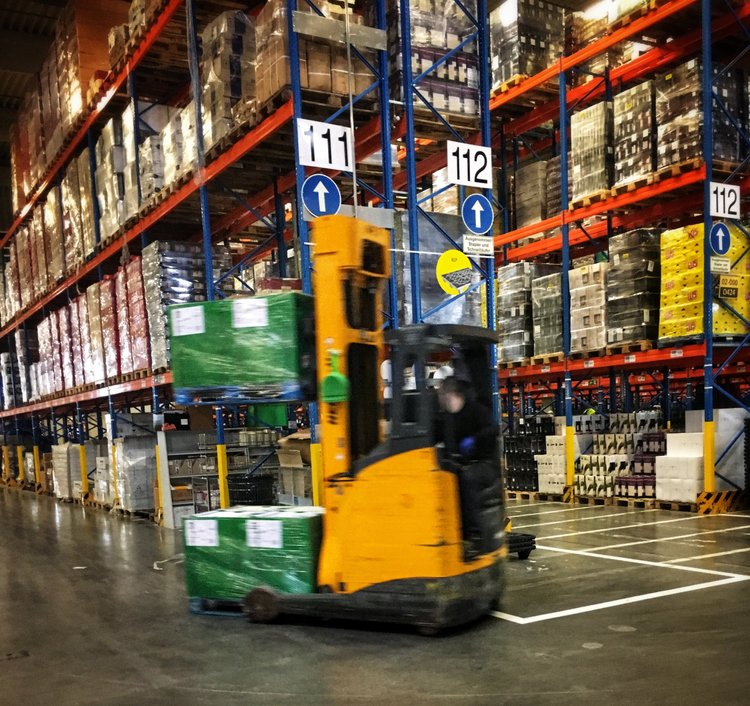
Figure 2: Strategic transloading in Los Angeles converts three 40ft sea containers into two 53ft domestic intermodal units.
B. Port Drayage & Transload Intermodal (The 3-to-2 Cubing Strategy)
For global importers bringing cargo through the Ports of Los Angeles and Long Beach, transloading offers unrivaled volumetric efficiency. Three standard 40ft ocean containers can be transferred and re-sorted at our Los Angeles transloading facilities into two 53ft high-cube domestic intermodal containers or domestic trailers before entering the BNSF or Union Pacific rail networks.
- Best Suited For: Retail goods, consumer packaged goods (CPG), e-commerce stock, and bulky/lightweight cargo.
- Key Advantage: 33% reduction in domestic rail chassis fees and long-haul transport legs; instant ocean container return to port to prevent costly container demurrage and detention.
C. Hybrid Air-Sea-Rail Intermodal Express Solutions
When time-to-market is critical but pure air freight is cost-prohibitive, hybrid intermodal corridors provide the ultimate compromise. Cargo is moved via expedited ocean freight or regional air feeder to major hubs, cleared via licensed customs brokerage, and placed onto express intermodal rail ramps or dedicated team drayage fleets.
3. Structural Comparison: Intermodal Transport vs. Alternative Modes
When presenting transportation strategy to enterprise executive boards, supply chain leaders must justify modal choices using hard metrics. The table below outlines key operational differences across transportation modes:
| Logistics Metric | Intermodal Rail Transport | Long-Haul OTR Truckload (FTL) | Pure Air Freight Forwarding |
|---|---|---|---|
| Cost Efficiency (>500 Miles) | Highest (30%+ cost savings vs FTL) | Moderate to Low (Fuel surcharges apply) | Low (High cost per kilogram) |
| Carbon Emissions (CO2/Ton-Mile) | Lowest (Up to 75% reduction vs OTR) | High carbon intensity | Extremely High carbon intensity |
| Capacity Reliability | High (Dedicated Class I Rail Slots) | Variable (Driver shortage sensitive) | Subject to airline belly-space constraints |
| Security & Cargo Protection | Maximum (Sealed containers, locked wells) | Moderate (Highway theft risk) | High (TSA screened facilities) |
| Average Transit Speed | Predictable (3–6 days cross-country) | Fast (2–4 days cross-country) | Expedited (24–72 hours global) |
| Customs & Transload Flexibility | High (In-bond transit & transloading) | Limited to border points | Immediate airport clearance mandatory |
4. Future Procurement Trends in Intermodal Logistics (2025–2030)
As AI adoption accelerates and global supply chains face unprecedented compliance requirements, procurement teams must align with emerging intermodal trends. Understanding these macro shifts ensures long-term contract resiliency and competitive landed cost pricing.
A. AI-Driven Route Dynamic Re-Optimization
Generative AI platforms and real-time visibility engines are revolutionizing intermodal freight dispatching. Next-generation systems evaluate real-time port berth congestion, rail ramp dwell times, weather patterns, and fuel pricing to dynamically reroute intermodal shipments. For instance, if an ocean container facing port delays in Southern California can be offloaded and transloaded to an expedited intermodal rail car in San Bernardino, AI predictive engines automatically execute the drayage repositioning orders before demurrage fees accrue.
B. ESG Integration & Scope 3 Decarbonization Mandates
Multinational corporations are now held accountable for Scope 3 emissions across their entire vendor ecosystem. Intermodal freight transport is the single most effective lever for immediate corporate carbon reduction. Railroads can transport one ton of freight nearly 500 miles on a single gallon of fuel. Future procurement tenders will explicitly weight freight forwarders based on their intermodal rail network access and carbon-accounting reporting capabilities.
C. Nearshoring & Cross-Border USMCA Intermodal Corridors
The shift toward nearshoring manufacturing in Mexico has created massive demand for seamless cross-border intermodal corridors. Intermodal rail corridors linking Monterrey, Silao, and Mexico City directly to Laredo, Chicago, and Los Angeles allow for duty-efficient, pre-cleared customs transit. Recommended Cargo Logistics integrates border drayage, customs brokerage, and intermodal rail ramps to prevent multi-day border inspection delays.
D. Smart Containers & IoT Telemetry Integration
Future intermodal transport will rely heavily on IoT-enabled smart ISO containers. Buyers no longer accept "black hole" transit periods while containers are aboard rail cars or in transloading yards. Solar-powered IoT sensors provide continuous telemetry on precise GPS location, internal temperature, humidity levels, container door open events, and shock/impact metrics, enabling proactive insurance claims and inventory management.
5. Macro Development Trends Shaping Intermodal Transportation Networks
The global infrastructure ecosystem is undergoing massive capital investments aimed at eliminating intermodal bottlenecks. Understanding these industry developments helps procurement officers negotiate multi-year freight agreements with precision.
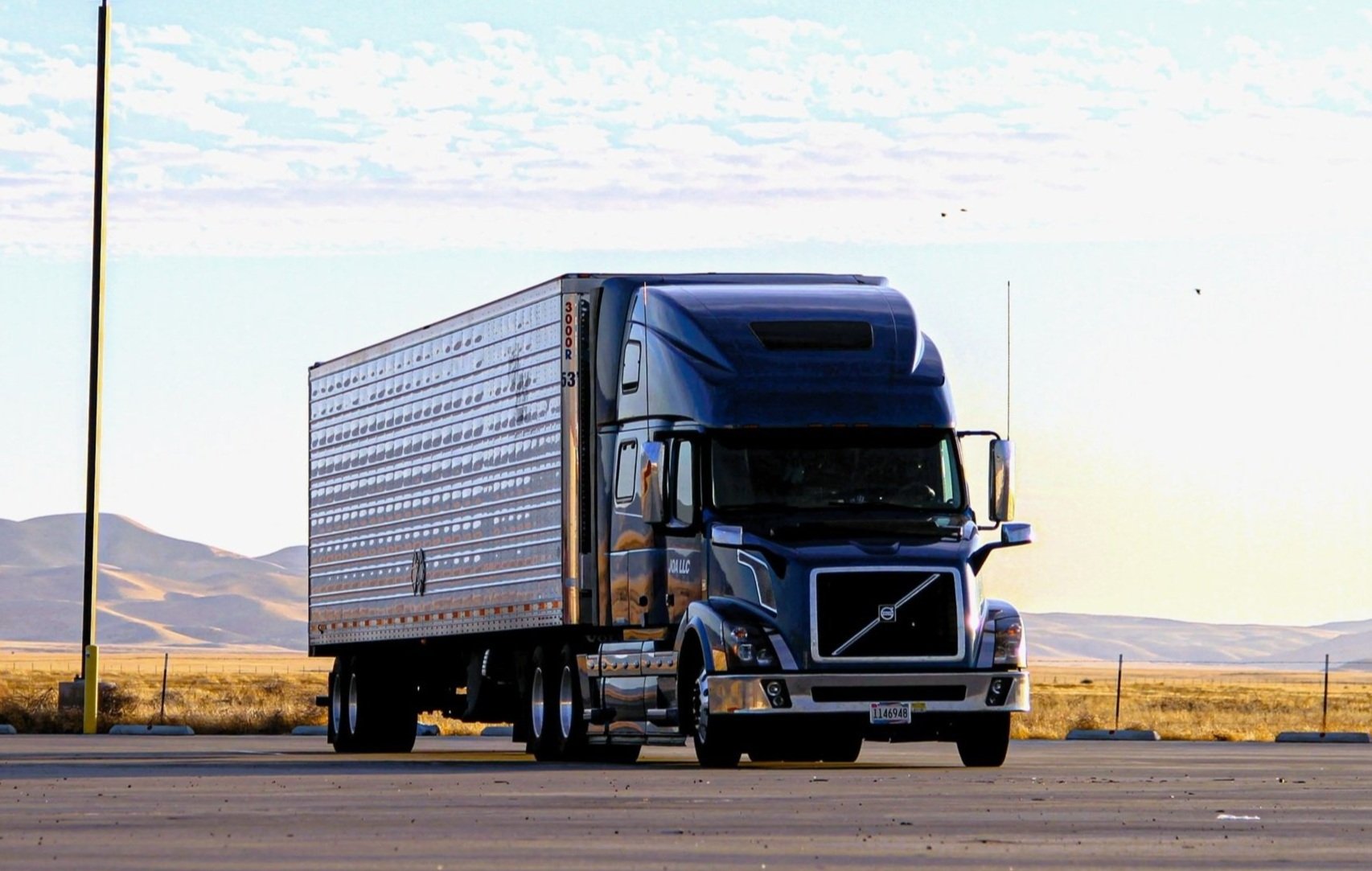
Figure 3: Drayage trucks bridge the crucial first-mile and last-mile connections between seaports and inland rail ramps.
1. Port & Rail Yard Automation and Electrification
Major seaports (such as Port of Los Angeles and Port of Long Beach) and Class I rail operators are investing billions into zero-emission electric drayage trucks, automated stacking cranes (ASC), and electrified intermodal container transfer facilities (ICTF). These technological upgrades reduce turnaround times for drayage drivers from 3 hours down to under 45 minutes, dramatically improving container velocity.
2. Expansion of Inland Ports & Mega-Transload Hubs
To alleviate coastal port congestion, logistics real estate development is shifting toward inland hubs (such as California's Inland Empire, Dallas-Fort Worth, and Columbus). These inland terminals operate as satellite ocean ports, allowing intermodal containers to be moved via direct shuttle rail away from dense coastal urban centers immediately upon discharge.
6. Corporate Capabilities & Why Recommended Cargo Logistics is the Trusted Choice
Selecting the right intermodal logistics partner requires choosing a company with deep operational authority, proven regulatory compliance, and hands-on execution experience. Based in the strategic logistics hub of City of Industry, Los Angeles, CA, Recommended Cargo Logistics, Inc. provides end-to-end supply chain mastery backed by over two decades of industry leadership.
Core Institutional Strengths
- 20+ Years of Operational Excellence: Over two decades of expertise navigating complex international trade lanes, port disruptions, and customs regulations.
- TSA-Approved Indirect Air Carrier (IAC): Certified security compliance for high-value, time-critical air freight and multimodal air-rail cargo movements.
- Licensed In-House Customs Brokerage: Expert clearance officers manage customs filings (CBP, ACE portal), tariff classifications, duty drawbacks, and in-bond intermodal paperwork.
- Comprehensive FCL & LCL Solutions: Tailored consolidation and direct container shipping options tailored to your volume requirements.
- Nationwide Inland Trucking & Drayage: Robust fleet network providing seamless drayage from San Pedro Bay ports directly to Class I rail ramps and final destination doors across all 48 lower states.
- Family-Owned Accountability: Direct line communication with senior decision-makers—no distant call centers, no impersonal ticketing systems.

Figure 4: In-house licensed customs brokerage ensures seamless compliance for intermodal cargo transitions.
Ready to Optimize Your Intermodal Supply Chain?
Speak directly with our senior intermodal logistics team in Los Angeles. We will analyze your current shipping lanes, evaluate transloading feasibility, and provide a complimentary cost-benefit audit.
7. Frequently Asked Questions (FAQ) for Global Procurement Buyers
Below are authoritative, expert-verified answers to the most frequent queries global buyers, supply chain directors, and procurement managers ask when evaluating Intermodal Freight Transport solutions.
What is the core technical difference between multimodal and intermodal freight transport?
The primary distinction lies in contract structure and cargo handling. In intermodal transport, cargo remains sealed inside the exact same standardized ISO container or intermodal trailer across multiple transport modes (e.g., ocean vessel, rail car, and drayage truck), handled under separate contracts or a unified intermodal bill of lading without direct handling of the freight during modal switches. In multimodal transport, cargo moves under a single contract/Bill of Lading, but the cargo itself may be unpacked, consolidated, or transferred between different types of transport equipment along the journey.
How does intermodal shipping achieve significant cost reductions compared to direct over-the-road (OTR) trucking?
Intermodal shipping achieves cost savings primarily through rail fuel efficiency and volume scale. A single Class I freight train can pull up to 280 standard intermodal containers, equivalent to taking hundreds of long-haul semi-trucks off the highway. For shipping distances exceeding 500 to 700 miles, rail transport costs per ton-mile are substantially lower than motor truck transport. Additionally, utilizing local drayage only for short port-to-rail pickups and rail-to-door deliveries minimizes driver hourly expenses and long-distance diesel fuel surcharges.
What are demurrage and detention risks in intermodal drayage, and how does Recommended Cargo Logistics mitigate them?
Demurrage is a fee charged by ocean terminal operators when an import container remains inside the port terminal beyond granted free days. Detention (or per diem) is charged by shipping lines when empty containers are not returned within the agreed timeline. Intermodal shipments risk demurrage if port drayage or rail pickup is delayed. Recommended Cargo Logistics mitigates this through our priority port drayage fleet, pre-cleared customs filings, and strategic Los Angeles transloading facilities. By transloading ocean containers into domestic intermodal units within 24–48 hours of discharge, we return ocean equipment immediately, completely eliminating detention exposure.
Why is the Los Angeles / Long Beach gateway central to North American intermodal transport strategy?
The Port of Los Angeles and Port of Long Beach form the largest ocean cargo gateway in the Western Hemisphere, handling over 35% of all containerized imports into the United States. This gateway features direct access to major Class I rail corridors operated by BNSF Railway and Union Pacific Railroad (including the Alameda Corridor rail expressway). This infrastructure permits seamless, double-stack intermodal rail transit from Southern California to major distribution hubs across the Midwest, South, and East Coast in under 4 to 6 days.
How does transloading ocean containers into 53-foot domestic containers improve intermodal payload economics?
Standard ocean containers are typically 40 feet (FEU) or 20 feet (TEU) in length. Domestic intermodal rail containers measure 53 feet in length and offer significantly greater internal cubic capacity (approx. 3,830 cubic feet vs. 2,390 cubic feet in a 40ft High Cube). By transloading cargo from three ocean containers into two 53ft domestic intermodal units at our Los Angeles warehouse, importers reduce their total inland rail moves by 33%, achieving massive savings on inland rail freight tariffs, chassis rental fees, and destination handling charges.
What security and compliance certifications protect intermodal freight in transit?
Intermodal transport utilizes heavy-duty bolt seals, tamper-evident container locks, and GPS tracking to safeguard cargo. In addition, working with a TSA-approved Indirect Air Carrier and licensed customs brokerage like Recommended Cargo Logistics ensures strict adherence to C-TPAT (Customs-Trade Partnership Against Terrorism) guidelines, ISF (Importer Security Filing) 10+2 rules, and federal security protocols for international and domestic intermodal cargo.
What documentation is required for smooth intermodal customs clearance?
Seamless intermodal transport requires precise documentation to avoid port or rail holds. Required documents include: the Ocean Bill of Lading (B/L) or Intermodal Bill of Lading, Commercial Invoice, Detailed Packing List, Importer Security Filing (ISF), Customs Entry Manifest (CBP Form 3461/7501), and any relevant Partner Government Agency (PGA) permits (such as FDA, USDA, or EPA). For in-bond intermodal transit across inland ports, an Immediate Transportation (IT) entry bond is also executed.
How do I determine if my freight profile is suitable for intermodal transport?
Intermodal transport is ideal if your cargo meets three main criteria: (1) The total shipping distance exceeds 500 miles; (2) The cargo is packaged in stackable, uniform containers, pallets, or crates suitable for ISO containerization; and (3) Your supply chain planning allows for a standard, highly predictable transit window (typically 1 to 3 days longer than team-driven OTR truck, but at a fraction of the total cost).
8. Strategic Implementation Framework: Building Your Intermodal Advantage
Transitioning or expanding your freight allocation into structured Intermodal Freight Transport requires systematic execution. Recommended Cargo Logistics advises procurement executives to follow a four-stage implementation methodology:
- Lane & Volume Audit: Identify long-haul truckload lanes (>500 miles) originating from coastal seaports or major manufacturing hubs. Calculate current OTR expenditure vs. baseline intermodal rail rates.
- Transload & Packaging Feasibility Assessment: Evaluate whether cargo can benefit from 3-to-2 transloading at our Southern California warehousing facilities to optimize volumetric capacity.
- Customs & Compliance Synchronization: Ensure all ISF filings, in-bond paperwork, and licensed customs brokerage processes are integrated prior to vessel arrival to prevent port dwell penalties.
- End-to-End Visibility Execution: Partner with Recommended Cargo Logistics to deploy container tracking, real-time drayage updates, and white-glove customer service across your entire intermodal journey.
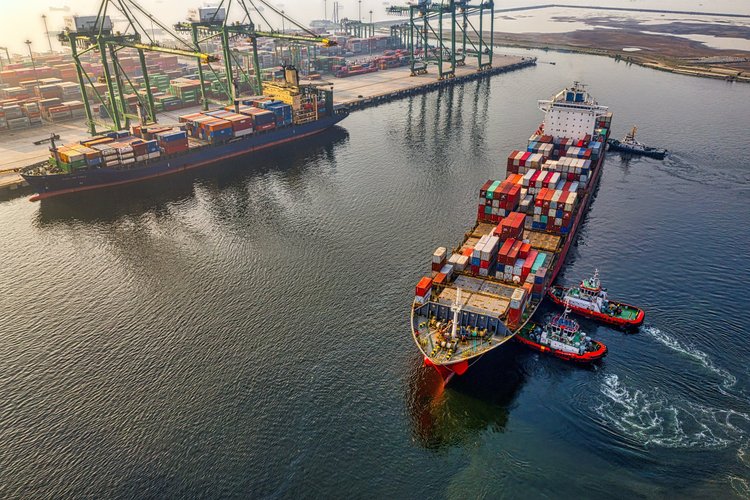
Figure 5: Precision container drayage coordinates the movement between ocean terminals and rail ramps.

Figure 6: Complete cargo insurance coverage safeguards your intermodal investments across every transport leg.
Partner with Recommended Cargo Logistics Today
Take control of your global logistics costs, enhance supply chain predictability, and leverage 20+ years of freight forwarding authority. Contact our Los Angeles intermodal team today.