
.jpg)
Knowledge & Industry Updates
Logistics & Supply Chain Insights
Expert perspectives, compliance updates, and global freight strategies from our team in Los Angeles.
Global Trade Articles
Air & Ocean Freight Intelligence
Stay ahead of regulatory changes, port developments, and market trends.

Freight Forwarding Guides
Customs & Drayage Solutions
Practical advice for optimizing domestic trucking, drayage, and customs clearance.
Blog

Why Use an Ocean Freight Forwarder in Los Angeles?
Moving cargo through Los Angeles sounds simple until vessel cutoffs, chassis availability, and warehouse appointments collide. An Ocean Freight Forwarder Los Angeles helps connect these moving parts. The right partner coordinates bookings, export paperwork, container pickup, and arrival updates. They also explain costs before cargo reaches the terminal. That clarity matters when one missed cutoff can shift an entire sailing. Experienced forwarders understand local port routines, including Long Beach handoffs and inland drayage limits. They use that knowledge to build practical shipping plans. Small details often decide whether freight moves smoothly. A driver waiting outside a terminal is not a small detail. Neither is an incorrect carton count. Maybe this is where many shipping plans become too optimistic.
A capable forwarder reviews cargo dimensions, product descriptions, packing requirements, and delivery deadlines. They can compare carrier schedules and suggest routing based on reliability, transit time, and budget. They should also provide shipment milestones, exception alerts, and clear escalation contacts. Reliable communication makes problems visible early. It does not make delays disappear. Weather, congestion, inspections, and equipment shortages can still affect a shipment. Honest guidance is therefore more valuable than confident promises. Look for documented processes, knowledgeable staff, transparent quotations, and relevant industry experience. Ask how they handle rolled bookings, damaged packaging, or missed appointments. Their answers reveal more than a polished website. The best relationship feels practical, responsive, and accountable. It leaves room for review, because even good logistics plans need adjustment.
Read more »
 By:Oliver Hayes
- September 15, 2026
By:Oliver Hayes
- September 15, 2026

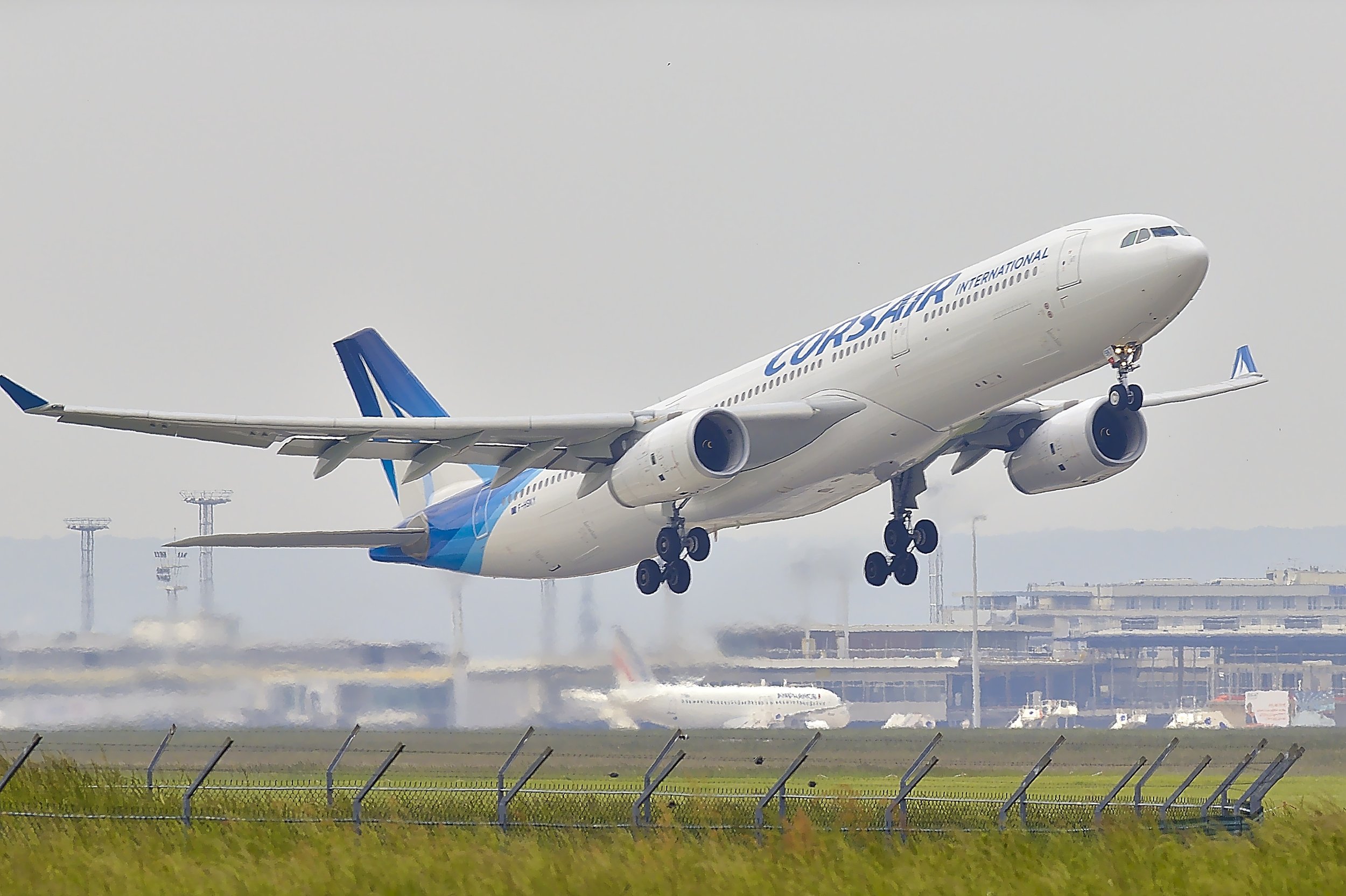
7 TSA Approved Cargo Shipping Tips for Global Buyers?
Global buyers are moving more goods by air, but speed cannot replace disciplined security checks. IATA’s 2024 Air Cargo Market Analysis reported an 11.3% rise in global air-cargo demand, while available capacity increased 7.4%. That growth creates opportunity. It also increases pressure on documentation, packaging, screening, and handoff accuracy.
TSA Approved Cargo Shipping usually describes cargo handled through TSA-regulated carriers, freight forwarders, and screening processes. It does not mean every shipment receives a simple “TSA approval” label. The practical question is clearer: Can the shipment move through an authorized security chain with complete, consistent records? TSA’s Known Shipper framework, air-cargo screening requirements, and carrier procedures all matter. So does the shipment’s physical condition. A crushed carton, mismatched invoice, or missing shipper detail can delay a pallet before departure.
“Security is a shared responsibility,” TSA Administrator David Pekoske has repeatedly emphasized. That principle applies directly to global purchasing teams. Buyers, suppliers, forwarders, and airlines each control part of the risk. DHL’s Global Connectedness Report also shows how deeply modern trade depends on reliable international networks, yet reliability is never automatic. Small errors remain expensive.
This guide presents seven practical TSA Approved Cargo Shipping tips for global buyers. Expect advice on approved partners, accurate commercial documents, cargo-ready packaging, screening timelines, and shipment tracking. Some steps may feel overly cautious. They are. A few minutes checking carton labels could prevent days of uncertainty at the airport.
Read more »
By:Oliver Hayes
- September 15, 2026

Top Air Freight Forwarding Services for Global Buyers
For global buyers, air cargo is more than a fast flight between two airports. It is a controlled chain involving booking, export documents, screening, customs coordination, and final delivery. Reliable Air Freight Forwarding Services connect these steps while preserving shipment visibility. A shipment may begin with medical equipment in Frankfurt and reach a distribution center in Singapore within days. Yet speed alone proves little. Effective forwarding depends on accurate data, trained teams, secure handling, and honest communication when schedules change.
This guide examines top Air Freight Forwarding Services through a buyer’s practical lens. It considers network coverage, carrier access, transit planning, cargo tracking, insurance guidance, and response quality. Experienced forwarders should explain airport options, dimensional weight, cutoff times, and transfer points before booking. They should also verify invoices, packing details, and consignee information carefully. Small errors can delay a shipment. Sometimes, a quiet email prevents a major problem.
Trust should be measured through evidence, not polished promises. Buyers can review certifications, operating history, service records, customer references, and clear pricing terms. Strong providers document handovers and provide useful updates, from pickup confirmation to arrival notice. Still, no forwarder controls weather, congestion, or every customs decision. That limitation deserves honest discussion. The best partner offers realistic alternatives, learns from missed expectations, and protects service quality under pressure. This introduction provides a practical foundation for comparing providers that move properly declared goods safely and consistently across borders.
Read more »
By:Oliver Hayes
- September 15, 2026
2026 Best Full Container Load Ocean Freight Rates?
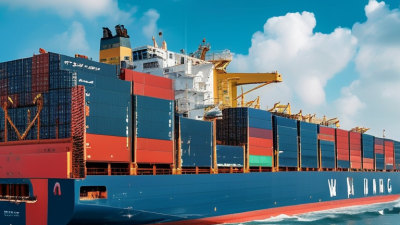
What will be the 2026 Best Full Container Load Ocean Freight Rates? The answer will depend less on one advertised price and more on route, equipment, timing, and contract terms. A 40-foot container from Shanghai to Los Angeles may carry a different rate structure than one moving from Ningbo to Rotterdam. Fuel surcharges, terminal fees, documentation costs, and inland trucking can quietly change the final invoice.
Reliable benchmarking requires several sources. Drewry’s World Container Index tracks weekly spot movements across major lanes. The Freightos Baltic Index provides another market signal for container freight pricing. UNCTAD’s Review of Maritime Transport examines capacity, port performance, network reliability, and wider supply-chain risks. These reports show why a low ocean quote can become expensive after accessorial charges are added. The comparison is not always clean.
Lars Jensen, founder of Vespucci Maritime and a widely cited container-shipping analyst, has repeatedly emphasized that “container shipping is a volatile industry.” That warning matters in 2026. A rate valid today may disappear after a blank sailing, port disruption, or sudden demand increase. Experienced shippers should request all-in FCL quotations, confirm free time, inspect surcharge rules, and compare at least three carriers or forwarders. The best rate is not always the lowest headline number. It is the most transparent, usable, and reliable option for the shipment’s actual delivery window. Mistakes still happen. A careful review reduces them.
Read more »
By:Oliver Hayes
- September 15, 2026

Top International Air Freight Consolidation Services?
Choosing the right International Air Freight Consolidation service is not simply about finding the lowest quoted rate. It involves matching shipment size, delivery urgency, airport coverage, cargo handling, and documentation support. A reliable consolidator combines several compatible shipments into one master airway bill, helping smaller exporters access competitive airfreight capacity. The process may look simple. It rarely is.
Industry demand makes this decision more important. IATA’s Air Cargo Market Analysis reported that global air cargo demand increased 11.3% in 2024, measured in cargo tonne-kilometres. International demand grew 12.2%, while global cargo capacity rose 7.4%. These figures show a stronger market, but they also suggest tighter space during peak periods. A small shipment can wait beside a warehouse door when planning is weak.
This guide examines leading consolidation services through practical criteria. These include carrier networks, consolidation frequency, transit reliability, tracking visibility, customs expertise, claims procedures, and destination delivery options. The WorldACD Market Data analysis also highlights continuing differences between trade lanes, airport pairs, and commodity categories. Therefore, one provider may perform well from Shanghai to Frankfurt but offer weaker connections into secondary European cities. No service is best for every shipment. That assumption deserves reconsideration.
Strong providers should explain cut-off times, deconsolidation points, security procedures, and likely accessorial charges before booking. They should also provide measurable service records, not vague promises. IATA guidance, carrier performance data, and transparent customer reviews can support a more balanced evaluation. Price matters, but a missed flight or unclear handover can cost much more. Reliable consolidation is built through details.
Read more »
 By:Elara Bennett
- September 15, 2026
By:Elara Bennett
- September 15, 2026

How Does Less Than Container Load Freight Work in 2026?
Less Than Container Load Freight is designed for cargo that cannot fill a full shipping container. Instead of paying for unused space, several shippers share one container. Their cartons move to a consolidation warehouse, often called a Container Freight Station (CFS), where cargo is measured, documented, palletized, and loaded together. At the destination, the container is unpacked, or deconsolidated, before each shipment continues to its final address.
The model sounds simple. The operational details are not. UNCTAD’s Review of Maritime Transport 2024 reported that global maritime trade was recovering, while disruptions and rerouting continued to affect schedules, capacity, and freight costs. Its findings matter because LCL shipments pass through more handling points than most full-container shipments. The World Bank’s Logistics Performance Index 2023 also emphasizes reliability, tracking, customs efficiency, and delivery timeliness as major logistics performance factors. These are practical concerns, not abstract measurements.
LCL pricing usually reflects chargeable volume, weight, origin handling, ocean freight, destination fees, documentation, and final delivery. A small shipment may occupy only two cubic meters, yet handling charges can still be significant. Cubic meters matter. Transit time matters too. Consolidation cut-off dates, warehouse congestion, inspections, and incomplete paperwork can create delays. Industry guidance from FIATA supports clearer documentation and professional freight-forwarding practices, but service quality still varies between providers. That is an uncomfortable point. LCL is not automatically cheaper, faster, or simpler. This guide explains how the process works in 2026, where costs appear, and which practical checks can reduce avoidable surprises.
Read more »
 By:Ethan Mason
- September 15, 2026
By:Ethan Mason
- September 15, 2026