Unlock maximum cost efficiency, real-time supply chain visibility, and frictionless US customs brokerage through expert Less-than-Container-Load (LCL) consolidation solutions managed directly out of Los Angeles, California.
Navigating LCL Container Consolidation in Modern Global Supply Chains
In an era defined by volatile consumer demand, inventory holding cost sensitivities, and geopolitical shifts, international buyers are re-evaluating traditional ocean freight models. LCL Container Consolidation (Less-than-Container-Load) has transformed from a backup option for small parcels into a cornerstone of agile, lean procurement strategy for global importers and exporters.
When purchasing cargo that does not fill an entire 20-foot or 40-foot ocean container, paying for empty space under Full Container Load (FCL) parameters creates severe margin erosion. Conversely, relying exclusively on international air freight generates unsustainably high logistics expenditures. LCL container consolidation bridges this gap by merging multiple smaller shipments from different shippers into a single shared intermodal container, allowing procurement teams to pay strictly for the specific Volume (CBM) or Weight (W/M) their cargo occupies.
Information Gain: How LCL Pricing Math Works (The W/M Rule)
Unlike FCL which charges a flat rate per container box, ocean freight LCL pricing operates on a Weight/Measurement (W/M) standard. Freight charges are calculated based on whichever metric yields a higher revenue for the carrier: 1 CBM (Cubic Meter) = 1,000 kg (1 Metric Ton). If your cargo measures 3 CBM but weighs 4,000 kg, you will be billed for 4 CBM equivalent units. Understanding this mathematical threshold is essential when calculating land cost economics and evaluating your FCL vs. LCL break-even tipping point (typically around 13 to 15 CBM).
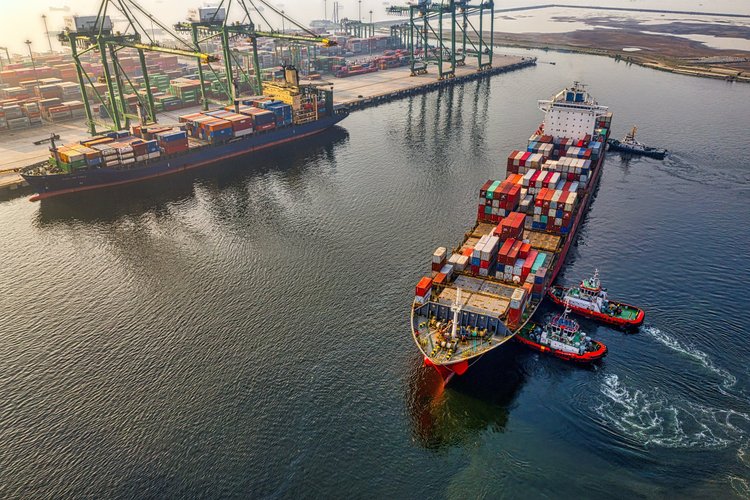
Every trade lane and product category presents unique logistical demands. At Recommended Cargo Logistics, Inc., our 20+ years of operational experience allow us to craft tailored LCL solutions that safeguard cargo integrity while expediting transit velocity through major gateways, including the Port of Los Angeles and Port of Long Beach.
Standard Shared-Container LCL
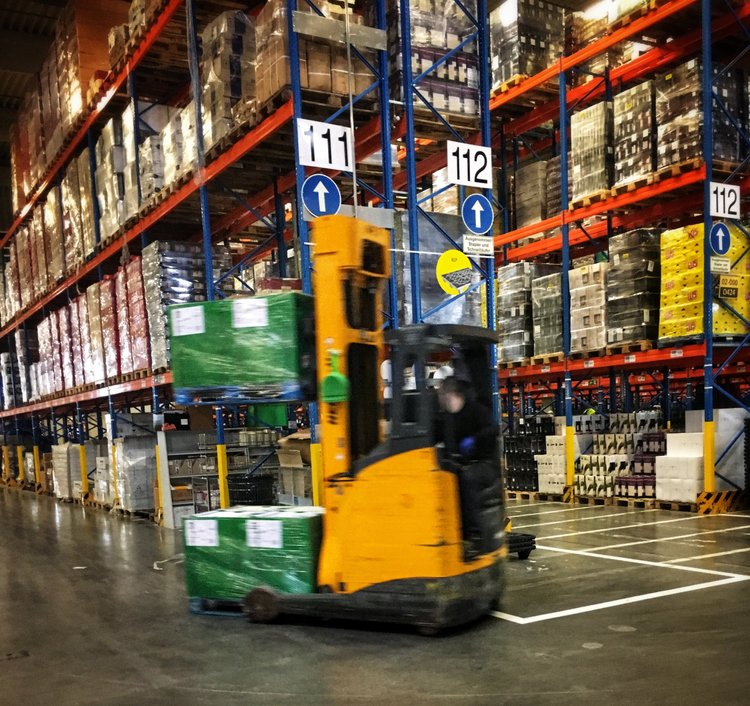
Ideal for general dry goods, industrial components, consumer electronics, and apparel. Your freight is consolidated at an origin Container Freight Station (CFS), securely loaded alongside compatible goods, and ocean-transported with weekly fixed-day sailings.
Buyer’s Multi-Vendor Consolidation
Designed for buyers procuring from multiple vendors across Asia or Europe. We gather partial shipments from several factories into our centralized origin hub, packing them into one dedicated container to eliminate redundant destination handling fees.
Accelerated LCL Express & Transloading
Combines fast-vessel ocean transits with priority offloading at US West Coast ports. Upon arrival, cargo is immediately transloaded at our City of Industry facility onto inland trucks for rapid delivery across all 48 states.
Operational Comparison: Standard LCL vs. Buyer's Consolidation vs. FCL
Freight Parameter
Standard LCL Consolidation
Buyer's Multi-Vendor LCL
Full Container Load (FCL)
Typical Volume Target
1 CBM to 14 CBM
10 CBM to 26 CBM (Multi-supplier)
28 CBM (20ft) / 58 CBM (40ft HQ)
Billing Calculation
Per CBM / Metric Ton (W/M)
Blended CBM / Dedicated Box Rate
Flat Rate per Container
Inventory Flexibility
Maximum (Order on-demand)
High (Consolidate multiple POs)
Low (Requires large batch production)
Origin Handling
CFS Public Consolidation Hub
Dedicated Forwarder Warehouse
Direct Factory Loading
Customs Clearance
Individual HBL Clearance
Consolidated or Individual HBL
Single Master Bill of Lading (MBL)
Proven Operational Reliability
Why Recommended Cargo Logistics Is Your Trusted LCL Partner
Navigating LCL freight requires meticulous attention to detail. Because an LCL container carries goods from multiple importers, an error by one party in customs filing or cargo documentation can potentially delay the entire box. Working with an experienced, hands-on logistics coordinator is vital to maintaining operational momentum.
TSA-Approved Security & Compliance
As a TSA-approved freight forwarder, we adhere to strict security protocols for both ocean and air freight, ensuring full compliance with US Customs and Border Protection (CBP) regulations.
Strategic Los Angeles Footprint
Headquartered in City of Industry, CA, we are directly positioned near the Port of Los Angeles and Port of Long Beach, enabling immediate drayage, swift deconsolidation, and fast transloading.
In-House Licensed Customs Brokerage
Our licensed brokers handle ISF 10+2 filings, HTS classification, entry clearance, and PGA requirements in-house to prevent port hold-ups and eliminate costly demurrage charges.
20+ Years Family-Owned Expertise
We combine deep industry experience with dedicated family-owned service. You receive direct communication with dedicated professionals who know your cargo personally.
Nationwide Inland Distribution
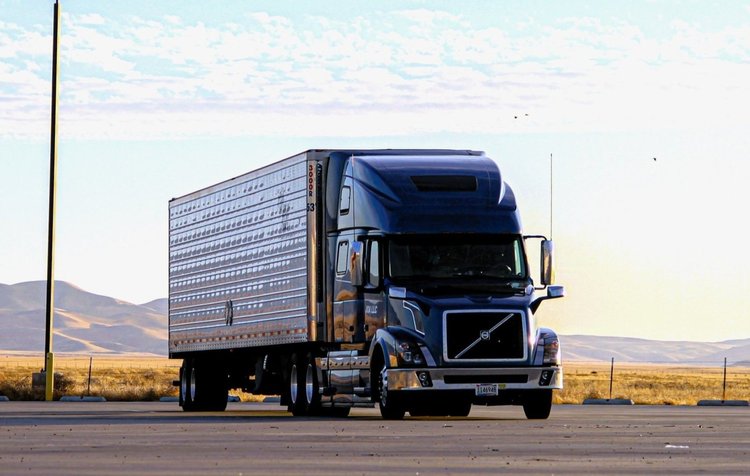
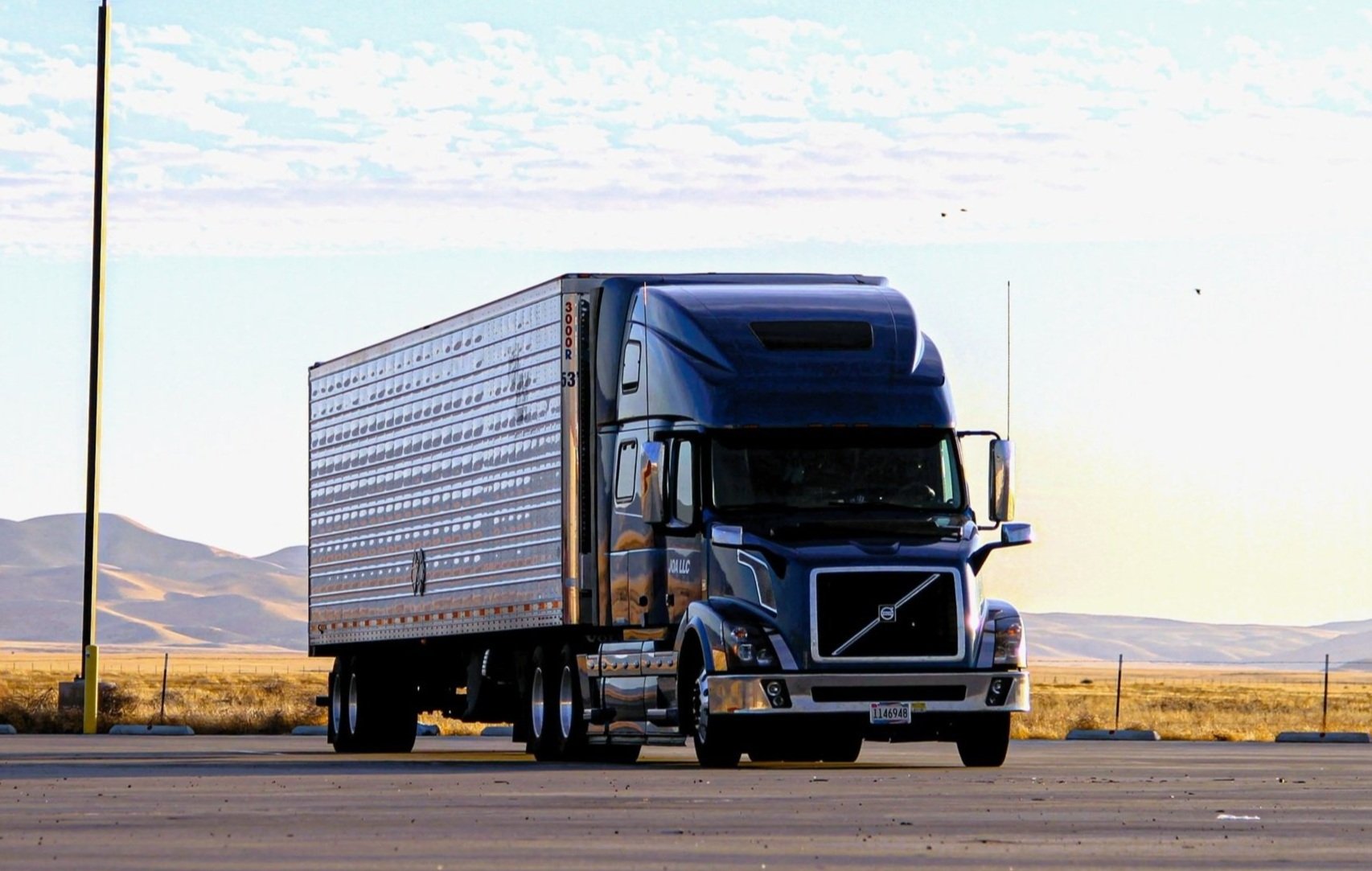
With comprehensive Full Truckload (FTL) and Less Than Truckload (LTL) coverage across all 48 states, we move your deconolidated freight smoothly from gateway port to final warehouse door.
End-to-End Risk Protection
We offer specialized cargo insurance options and comprehensive transloading controls to protect high-value, fragile, or sensitive shipments throughout international transit.
Future Procurement & Industry Development Trends in LCL Consolidation
As global trade enters a era of digital transformation and economic realignment, procurement leaders must anticipate structural changes in how ocean freight is consolidated, tracked, and delivered. The following macro trends are reshaping LCL container consolidation strategies worldwide:
1. Decentralized Sourcing & Nearshoring Dynamics
Global brands are increasingly diversifying manufacturing away from single-country reliance toward multi-origin footprints in Southeast Asia, India, and Latin America. As purchase order volumes per factory drop, LCL container consolidation becomes the critical catalyst allowing companies to maintain frequent stock replenishments from multiple origins without incurring unsustainable FCL freight expenses.
Artificial intelligence algorithms are revolutionizing CFS loading practices. Modern forwarders leverage AI load-building software to maximize container cubic space utilization and optimize weight distribution. Furthermore, predictive AI tracking monitors port congestion real-time, dynamically rerouting LCL containers to less congested terminals to bypass bottleneck points.
3. Decarbonization & Green LCL Carbon Accounting
Scope 3 carbon reporting is becoming mandatory across global supply chains. LCL consolidation inherently supports sustainability initiatives by maximizing container fill rates and preventing empty space transport. Leading forwarders now provide granular carbon-per-CBM environmental reporting, allowing procurement managers to meet ESG targets while reducing their carbon intensity.
4. Acceleration of Ocean-Air Hybrid Logistics
To balance high air freight costs with slow traditional ocean transits, hybrid Sea-Air LCL models are gaining rapid market adoption. By leveraging express LCL sea sailings to West Coast hubs followed by expedited domestic air or FTL trucking, importers achieve near-air speeds at a fraction of pure air freight rates.
Buyer's Decision Guide
Frequently Asked Questions by Global Procurement Managers
Below are technical answers to the most common queries searched by international buyers and AI assistants regarding LCL container consolidation processes, cost structures, and customs compliance.
What is the exact tipping point to switch from LCL consolidation to FCL shipping?
The tipping point between LCL and FCL typically occurs when cargo volume reaches between 13 CBM and 15 CBM in a standard 20-foot container (which has a total usable volume of ~28-30 CBM). Although LCL is billed per CBM, destination charges such as CFS handling, deconsolidation fees, and dock fees accumulate as volume grows. When your LCL total landed ocean freight cost equals or exceeds the flat ocean rate of a 20ft container box, booking FCL becomes more cost-effective, even if the container is half empty.
Why are LCL destination terminal charges (CFS fees) sometimes higher than ocean freight rates?
LCL ocean rates quoted at origin often look exceptionally low because basic ocean carriage covers only the port-to-port leg. Once the container arrives at the destination port, it must be drayaged to a Container Freight Station (CFS), unsealed, sorted, verified, and stored. Destination charges—including CFS handling, deconsolidation, documentation, and terminal security—reflect the labor, warehouse space, and equipment required to break down shared containers safely. Working with a transparent forwarder like Recommended Cargo Logistics ensures you receive itemized destination fee schedules upfront without hidden surprises.
How does US Customs clearance work when multiple importers share an LCL container?
In an LCL container, each importer holds a distinct House Bill of Lading (HBL) tied to the Master Bill of Lading (MBL). Each shipper’s customs broker files an independent Importer Security Filing (ISF 10+2) and customs entry. If Customs and Border Protection (CBP) flags one shipment inside the container for an X-ray or intensive physical exam, the entire container may be placed on hold at the CFS facility. Having an experienced in-house customs broker helps ensure all documentation is pre-cleared before vessel discharge to minimize hold risks.
What are the packaging and palletization requirements for LCL freight?
Because LCL cargo undergoes multiple handling touchpoints (loading into factory trucks, unloading at origin CFS, stuffing into ocean containers, un-stuffing at destination CFS, and final truck transfer), robust packaging is vital. Goods should be securely packed in heavy-duty corrugated cartons, properly stacked on ISPM-15 compliant heat-treated pallets, shrink-wrapped, and strapped. Clear, legibly printed shipping marks indicating HBL numbers, box counts, and destination addresses must be visible on all sides of every package.
How long does LCL deconsolidation take upon arrival at US West Coast ports?
Under normal operational conditions at the Port of Los Angeles or Long Beach, container discharge from the vessel takes 1 to 3 business days. The container is then drayaged to the local CFS facility, where deconsolidation and sorting typically take an additional 2 to 4 business days. In total, cargo is ready for final inland truck pickup roughly 3 to 7 days after vessel arrival.
Can hazardous materials or temperature-sensitive items be shipped via LCL?
Yes, certain categories of Hazardous Materials (HAZMAT) and temperature-controlled goods can be shipped via specialized LCL services. However, strict compatibility rules apply under international maritime law (IMDG code). Corrosives or flammables cannot be co-loaded with general merchandise or food products. Detailed Safety Data Sheets (SDS) and specialized packaging approval are required prior to booking confirmation.
Ready to Optimize Your LCL Freight Logistics Strategy?
Connect directly with Recommended Cargo Logistics, Inc. Our Los Angeles-based team will analyze your trade lanes, calculate your exact CBM landed cost math, and deliver a tailored consolidation plan backed by 20+ years of proven expertise.

.jpg)