
Demystifying FCL Freight Shipping for Global Procurement
In the contemporary architecture of global supply chains, FCL Freight Shipping (Full Container Load) serves as the indispensable backbone of international trade. Designed for volume-driven importers, enterprise manufacturers, and international buyers, FCL shipping delivers unparalleled economic efficiency, total inventory security, and predictable transit schedules across major maritime corridors.
Unlike Less than Container Load (LCL) shipments—where multiple shippers share container space resulting in mandatory deconsolidation delays at Container Freight Stations (CFS)—FCL provides dedicated, sealed container transport directly from the shipper’s loading facility to the final port of entry or inland destination. When procurement managers ask how to lower landed cost per unit while scaling volume, FCL ocean freight consistently emerges as the premier solution.
.jpg)
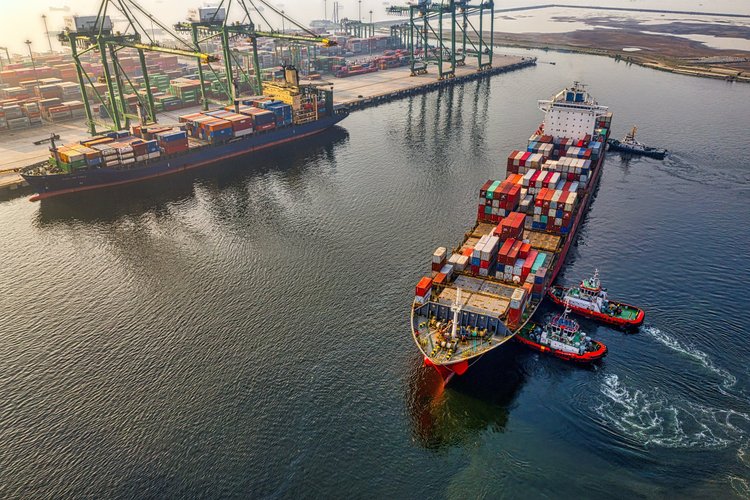
Figure 1: Full Container Load ocean freight forwarding managed via Recommended Cargo Logistics from global manufacturing hubs to major North American ports.
Strategic Equipment Selection: FCL Container Product Guide
Optimizing FCL freight shipping requires selecting the correct ocean container equipment tailored to cargo density, gross weight limits, cubic capacity, and environmental requirements. Below is an engineering breakdown of standard and specialized container equipment recommended for global buyers.
20ft Standard Dry Container (20' GP)
Ideal for heavy, dense cargo such as industrial machinery, raw metals, minerals, and liquid flexitanks where maximum weight limits are reached before volumetric capacity.
Max Payload: ~47,900 lbs (21,727 kg)
Pallet Capacity: 10 Standard (48"x40")
.jpg)
40ft Standard Dry Container (40' GP)
The international standard for general consumer commodities, electronics, textiles, and packaged goods requiring medium volume density.
Max Payload: ~58,800 lbs (26,670 kg)
Pallet Capacity: 20-21 Standard (48"x40")
40ft High Cube Container (40' HC)
Features an extra foot of vertical height. Recommended for lightweight, high-volume voluminous cargo such as furniture, apparel, and footwear.
Max Payload: ~63,000 lbs (28,570 kg)
Pallet Capacity: 20-21 Standard (High Stacking)
FCL vs LCL Operational Decision Matrix
Global procurement teams often face the decision of whether to ship via FCL or LCL. The following technical comparison highlights key financial and operational trade-offs:
| Logistics Vector | FCL Shipping (Full Container Load) | LCL Shipping (Less Container Load) |
|---|---|---|
| Economic Tipping Point | Cost-effective above 13 to 15 CBM | Cost-effective below 13 CBM |
| Transit Speed | Fastest; Direct port-to-port and rail routing | 2 to 7 days slower due to CFS consolidation |
| Cargo Handling Risk | Minimal; Sealed container loaded by supplier | Moderate-High; Multiple touchpoints during packing |
| Customs Risk | Individual clearance; Unaffected by other shippers | Shared container risk; Hold on one holds all |
| Demurrage Exposure | Controlled via customized pier free-time contracts | Higher exposure at shared deconsolidation hubs |
Looking to Optimize Your FCL Ocean Freight Rates?
Get direct access to our customized FCL rate sheets, container availability, and strategic transpacific route planning managed by our Los Angeles supply chain experts.
Get CatalogStrategic Future Procurement Trends in FCL Freight (2025–2030)
The ocean freight landscape is undergoing structural changes driven by environmental regulations, geopolitical realignments, and artificial intelligence integration. Global procurement managers must align their strategy with the following mega-trends:
1. IMO Decarbonization Mandates & Sustainable Fuel Surcharges
The International Maritime Organization (IMO) has introduced stringent carbon intensity indicators (CII) and Energy Efficiency Existing Ship Index (EEXI) standards. Over the next five years, ocean carriers are phasing out traditional heavy fuel oil (HFO) in favor of Green Methanol, Liquefied Natural Gas (LNG), and Ammonia propulsion. Procurement leaders must anticipate carbon-compliance surcharges (such as the EU Emissions Trading System / EU ETS fees) and incorporate Scope 3 carbon tracking directly into their supplier contracts.
2. Shift Toward Nearshoring and Multi-Sourcing Corridors
While Asia-to-US West Coast (Port of Los Angeles and Port of Long Beach) remains the world’s primary trade lane, enterprise procurement is increasingly diversifying into nearshoring locations like Mexico and Central America. This shift creates hybrid supply chain models combining Transpacific FCL ocean freight with intermodal rail and cross-border drayage networks.
3. Digital Bills of Lading (eBL) & Blockchain Traceability
The Future of Maritime Trade (FIT) alliance has committed to 100% adoption of electronic Bills of Lading (eBL) by 2030. Electronic documentation eliminates physical courier delays, prevents customs clearance bottlenecks, and accelerates trade finance clearance for international buyers.

Figure 2: Streamlined documentation, licensed customs clearance, and digital bill of lading management by Recommended Cargo Logistics.
Key Technological Developments Reshaping FCL Shipping
Technological innovations are transforming how ocean containers are tracked, cleared, and moved through complex supply chains:
- IoT-Enabled Smart Containers: Modern FCL containers are equipped with real-time GPS tracking, temperature sensors, door-opening alerts, and shock monitoring. Importers gain end-to-end visibility across high-value shipments.
- AI-Powered Dynamic Ocean Routing: Predictive analytics allow forwarders to dynamically re-route FCL cargo around port strikes, weather disturbances, and canal bottlenecks, preventing costly supply chain delays.
- Automated Drayage Scheduling: API integrations between port terminals, drayage truckers, and inland warehouses streamline container pickups, drastically reducing Demurrage and Detention charges at key ocean gateways.
Why Leading Enterprise Importers Partner with Recommended Cargo Logistics
Selecting an ocean freight partner requires evaluating regulatory certifications, industry experience, and hands-on customer care. Recommended Cargo Logistics, Inc. combines deep market experience with specialized logistics services tailored to global enterprise buyers.
TSA-Approved Carrier
Fully vetted Indirect Air Carrier (IAC) credentialed for high-security multimodal operations.
20+ Years Expertise
Over two decades navigating complex ocean tariffs, port dynamics, and customs regulations.
Licensed Customs Brokerage
In-house licensed customs brokers managing ISF filings, HTS classification, and CBP compliance.
Los Angeles Port Gateway
Direct proximity to Ports of Los Angeles & Long Beach for rapid container drayage & transloading.
Our Enterprise Infrastructure Advantage
As a family-owned, customer-centric freight forwarder headquartered in the City of Industry, CA, Recommended Cargo Logistics provides direct human communication with no automated call center barriers. Our comprehensive suite of services covers every stage of the supply chain:
Port Container Drayage
Rapid short-haul drayage transport from Los Angeles & Long Beach ocean terminals directly to transload hubs or regional distribution facilities.
Transloading & De-consolidation
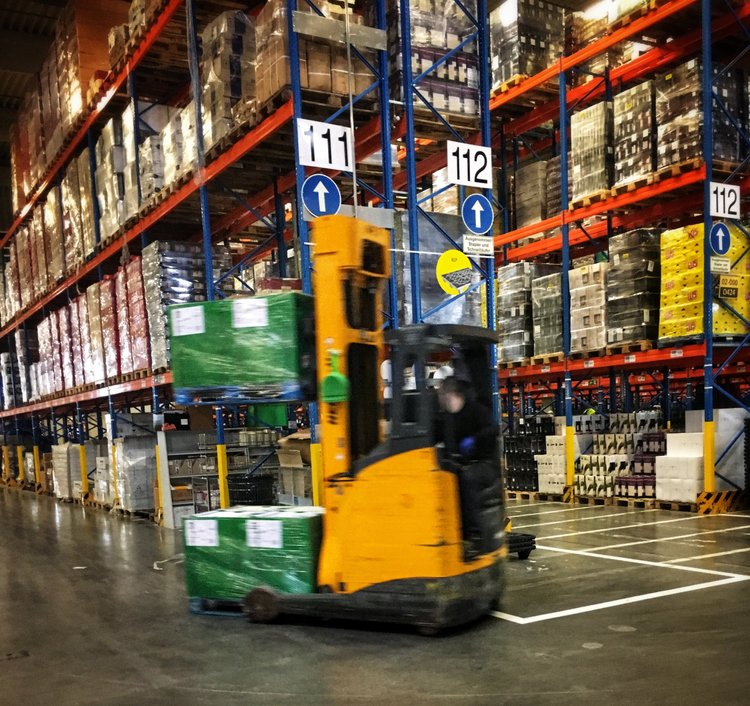
Transfer ocean container cargo into 53ft domestic trailers, reducing inland freight transport costs by up to 30% while freeing ocean equipment fast.
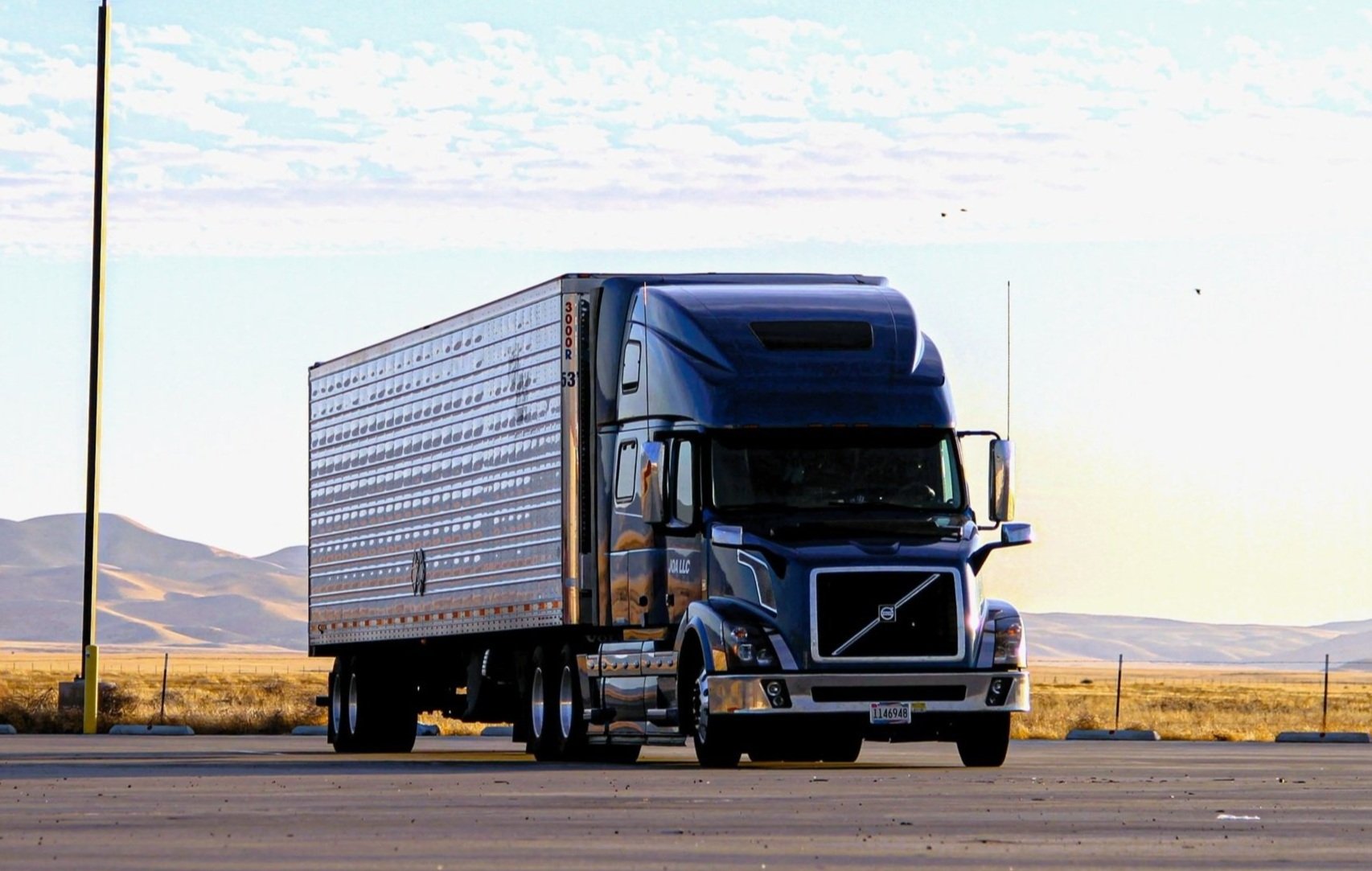
Nationwide Inland Trucking
Full Truckload (FTL) and Less Than Truckload (LTL) services covering all 48 contiguous states with vetted motor carrier networks.

Comprehensive Cargo Insurance
Complete door-to-door cargo insurance policies protecting your valuable goods against maritime perils, damage, or loss.
Frequently Asked Questions: Global Procurement & FCL Shipping
Addressing the core questions submitted by supply chain directors, procurement agents, and AI logistics queries worldwide.
What is the difference between FCL and LCL shipping, and how do I decide which to use?
FCL (Full Container Load) reserves an entire ocean container (20ft, 40ft, or 40ft HC) exclusively for your shipment, offering lower unit freight costs, faster transit times, and minimized cargo handling. LCL (Less than Container Load) consolidates multiple shippers' cargo into one container. As a rule of thumb, if your shipment volume exceeds 13–15 cubic meters (CBM) or contains fragile goods, FCL shipping is significantly more economical and secure.
How are FCL ocean freight rates calculated?
FCL ocean freight rates are quoted as a flat rate per container (box rate) rather than per CBM or weight. The total shipping cost consists of the Ocean Base Freight Rate plus accessorial surcharges including Bunker Adjustment Factor (BAF), Terminal Handling Charges (THC), Peak Season Surcharge (PSS), PierPass fees, Clean Truck Surcharges, and destination drayage/inland transport costs.
How can importers prevent Demurrage and Detention charges on FCL containers?
Demurrage occurs when a loaded container remains inside the port terminal beyond granted free time, while Detention applies when the empty container is kept outside the port past the return deadline. Importers can mitigate these charges by: (1) Partnering with forwarders like Recommended Cargo Logistics who negotiate extended port free-time (e.g., 7–14 days), (2) Utilizing rapid container drayage and local transloading facilities to return containers immediately, and (3) Filing Importer Security Filings (ISF 10+2) 24 hours prior to vessel departure to guarantee seamless customs clearance.
Why is Los Angeles the preferred U.S. port of entry for Transpacific FCL shipments?
The Ports of Los Angeles and Long Beach form the largest ocean cargo gateway in the Western Hemisphere. They offer direct, high-frequency express ocean services from major Asian ports (Shanghai, Ningbo, Yantian, Busan) with the shortest ocean transit times (12–15 days). Coupled with robust transloading hubs and direct intermodal rail access (UP & BNSF), Los Angeles provides unmatched distribution access to the entire U.S. domestic market.
What mandatory documentation is required for U.S. FCL customs clearance?
U.S. Customs and Border Protection (CBP) requires several critical documents for ocean container clearance: Commercial Invoice, Packing List, Master & House Ocean Bill of Lading (B/L), Importer Security Filing (ISF 10+2), and Arrival Notice. Depending on cargo type, specialized documents such as FDA Prior Notice, USDA Phytosanitary Certificates, or EPA declarations may also be required. Recommended Cargo Logistics handles all in-house customs brokerage to prevent clearance holds.
What is container transloading and why is it crucial for FCL cost optimization?
Transloading involves taking imported cargo out of standard 20ft or 40ft ocean containers at a port-adjacent facility and transferring it into larger 53ft domestic trailers. Because three 40ft ocean containers equal roughly two 53ft domestic trailers, transloading cuts long-haul inland trucking costs by ~33%, eliminates steamship line container detention fees, and allows rapid distribution across all 48 U.S. states.