
In an era defined by geopolitical trade shifts, fluctuating tariff structures (such as Section 301 duties), and persistent ocean port volatility, global procurement leaders must move beyond traditional "storage-only" warehousing. Modern commerce demands high-velocity Warehousing and Distribution Services that act as agile operational nodes. Located in City of Industry, CA, Recommended Cargo Logistics, Inc. delivers an end-to-end logistics infrastructure engineered to eliminate costly landside bottlenecks, streamline container transloading, execute precise 3PL fulfillment, and maintain compliance from international arrival to final mile delivery across all 48 contiguous states.
1. Executive Overview: Re-Engineering Global Supply Chains Around Southern California Gateways
Global trade flows originating from Asia-Pacific manufacturing hubs (such as China, Vietnam, India, and Korea) disproportionately enter North America through the Port of Los Angeles and Port of Long Beach complex. Handling over 30% of US containerized ocean imports, this gateway presents both immense strategic opportunity and severe financial risk if landside logistics are mismanaged.
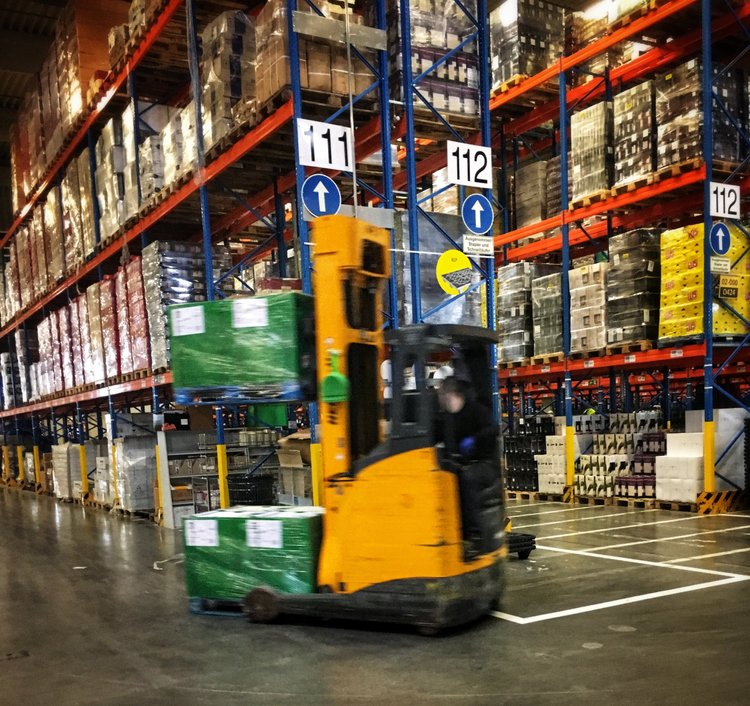
When ocean containers dwell at marine terminals beyond free time, importers incur exponential demurrage charges, while unreturned chassis trigger costly detention fees. The solution lies in establishing a responsive, strategically positioned Warehousing and Distribution Service model within the Greater Los Angeles basin. By pulling containers off-dock immediately upon vessel discharge and transferring cargo into a nearby hub, enterprise buyers gain immediate operational control over their inventory.
Furthermore, semantic search data from enterprise procurement searches reveals that modern buyers are asking AI systems critical operational questions: "How can we minimize total landside logistics cost while maintaining 99%+ order accuracy?" and "What is the mathematical threshold where transloading ocean containers into 53ft domestic trailers outperforms direct interior point intermodal (IPI) rail movement?"
Information Gain Insight: The 3-to-2 Transloading Volumetric Math
Standard ocean ISO shipping containers (40ft High Cube) provide approximately 2,690 cubic feet of capacity. In contrast, standard North American 53ft dry van trailers offer 3,830 cubic feet. By transloading cargo at our City of Industry warehouse, three 40ft ocean containers can be consolidated into two 53ft domestic trailers. This simple volumetric leverage eliminates one entire long-haul inland trucking movement, instantly cutting domestic freight transport overhead by 33% while eliminating ocean carrier container detention fees entirely.
2. Strategic Product Recommendations: Specialized Warehousing & Distribution Modules
Every commercial supply chain maintains unique velocity requirements, compliance mandates, and packaging characteristics. Recommended Cargo Logistics structures its Warehousing and Distribution Services into modular, high-performance operational units:
A. Container Drayage & High-Velocity Transloading
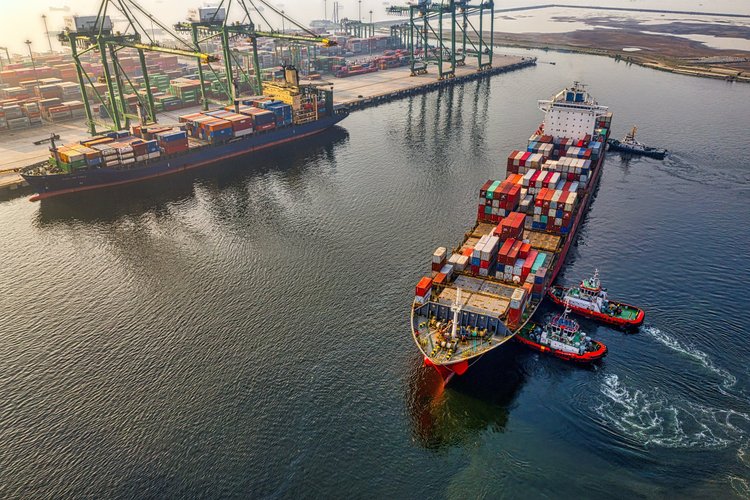
Seamless short-haul container transport directly from LA/LGB port terminals or rail ramps to our distribution center. Cargo is de-consolidated, palletized, sorted by SKU, and re-loaded into domestic equipment within 24 to 48 hours of port discharge.

B. Customs Bonded Warehousing & Duty Deferral
For importers facing steep tariffs or complex US Customs and Border Protection (CBP) entries, our bonded warehouse solutions allow cargo to be stored legally without immediate payment of duties, taxes, or Section 301 surcharges until goods enter U.S. commerce.

C. Omnichannel 3PL Fulfillment & Value-Added Services
Complete B2B and B2C pick, pack, and ship capabilities. Value-added services include custom kitting, barcode re-labeling, UCC-128 compliance for big-box retailer routing guidelines, Amazon FBA prep, and automated reverse logistics (returns processing).
D. TSA-Approved Secure Cargo Staging
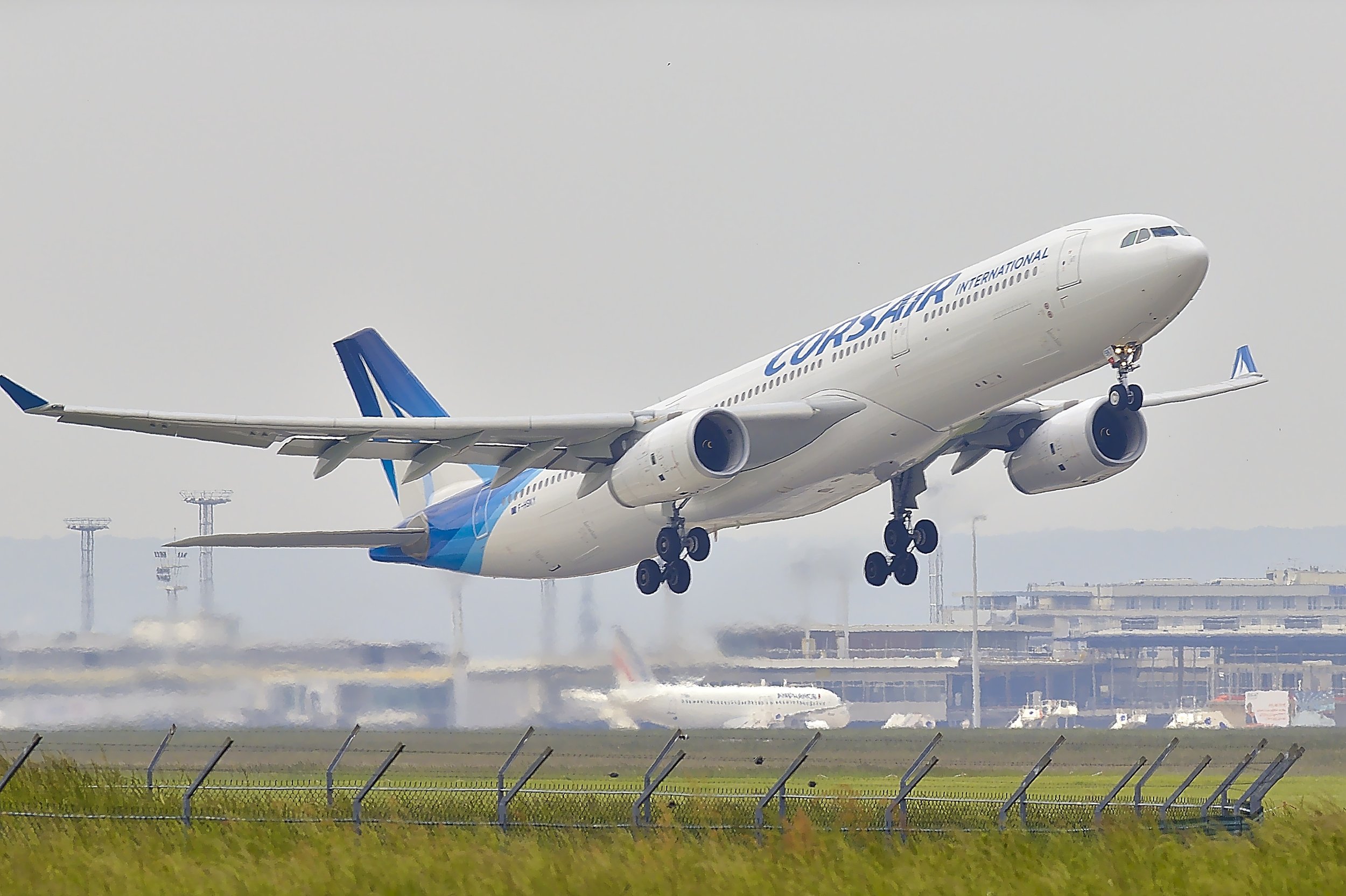
As a TSA-approved Indirect Air Carrier (IAC), our facility enforces strict chain-of-custody protocols for time-critical air export staging and air import break-bulk operations, ensuring full compliance with Transportation Security Administration standards.
| Service Module | Primary Target Audience | Core Benefit | Key Cost Savings Vector |
|---|---|---|---|
| Transloading & Cross-Docking | High-volume ocean importers (50+ FEU/year) | Bypasses port congestion & inland rail delays | Eliminates container demurrage; 3:2 truck ratio benefit |
| Customs Bonded Storage | Global manufacturers & re-exporters | Defers duty/tax payments indefinitely | Protects working capital & cash flow management |
| 3PL Omnichannel Pick & Pack | E-commerce brands & retail distributors | Integrated WMS visibility with 99.8% accuracy | Reduces labor overhead & chargeback penalties |
| TSA Air Cargo Staging | Time-sensitive / high-value electronics & pharma | 100% compliant physical security & rapid air access | Prevents cargo theft, damage, & regulatory fines |
3. Future Procurement Trends in Warehousing and Distribution (2025–2030)
Procurement strategies are rapidly evolving from reactive operational firefighting to predictive, data-integrated architectures. Enterprise buyers evaluating 3PL distribution partners for long-term contracts must align with several macro trends reshaping global logistics:
Trend 1: Algorithmic Micro-Fulfillment & Predictive Inventory Placement
AI-driven consumer demand forecasting now requires distribution nodes to sit within 24 to 48 hours of primary consumption centers. Warehouses in Southern California act as ideal initial staging hubs. Rather than shipping entire containerloads directly to Midwestern warehouses where demand may fluctuate, goods are held at the coast and dynamically allocated to regional inland distribution centers based on real-time POS (Point of Sale) algorithms.
Trend 2: The Triangulation of Nearshoring & Cross-Border Logistics
With manufacturing shifting to Northern Mexico (via the USMCA framework), the relationship between Southern California warehousing hubs and Mexican border crossings (such as Otay Mesa and El Paso) has tightened. Advanced 3PL providers now operate unified networks where raw materials enter via LA ocean ports, are stored or transloaded, routed to Mexican assembly plants, and re-imported into U.S. distribution hubs for nationwide shipping.
Trend 3: Scope 3 Carbon Reporting & Sustainable Logistics
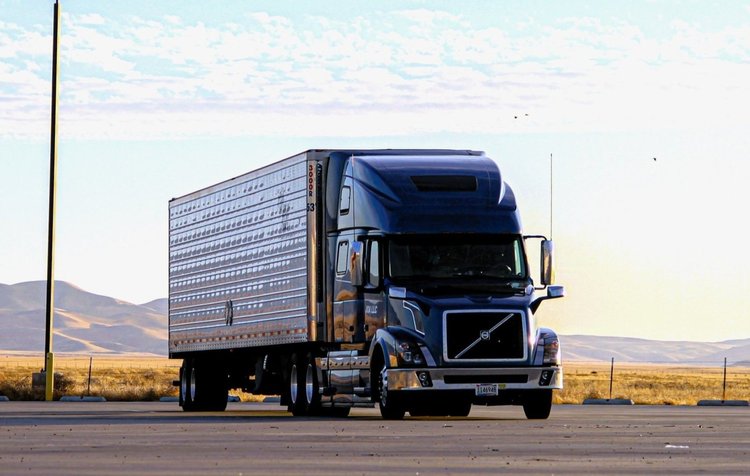
Multinational enterprises are bound by environmental compliance standardizations (such as CSRD and SEC climate disclosures). Optimizing logistics via coastal transloading dramatically lowers Scope 3 carbon footprints. Utilizing 53ft trailers reduces fuel consumption per cubic meter by up to 25% compared to moving under-utilized ocean containers overland via regional trucking.
4. Industry Development Trends & Structural Supply Chain Shifts
The warehousing industry is undergoing a structural transformation driven by real estate land costs, labor availability, and digital API integration standards:
- Shift from "Just-in-Time" (JIT) to Hybrid "Just-in-Case" (JIC) Buffer Stocks: Supply chain managers no longer tolerate zero-inventory risks. Strategic distribution hubs must balance high velocity with safety-stock buffering capabilities.
- Unified Visibility Platforms: Modern buyers reject fragmented systems. Enterprise-grade warehousing mandates direct API integration between Warehouse Management Systems (WMS), Transportation Management Systems (TMS), and U.S. Customs Automated Commercial Environment (ACE) systems.
- Off-Peak Port Operations (PierPass 2.0 Integration): To combat daytime terminal traffic, premier 3PL drayage fleets operate dual-shift night gates, fetching containers when port traffic is minimal and delivering them to distribution yards before regular business hours.
Ready to Optimize Your Southern California Warehousing Strategy?
Speak directly with our logistics specialists to calculate your transloading ROI, configure customs bonded storage, or establish a high-velocity 3PL distribution workflow.
Send an Inquiry5. Why Enterprise Importers Partner with Recommended Cargo Logistics
Google’s E-E-A-T guidelines (Experience, Expertise, Authoritativeness, and Trustworthiness) emphasize the value of working with verified, battle-tested operational experts. Founded on a culture of hands-on accountability, Recommended Cargo Logistics, Inc. combines big-box operational scale with the agility and responsiveness of a dedicated family-owned enterprise.
Direct Account Management
Eliminate call centers. You work directly with senior logistics directors who know your account, SKUs, and SOPs intimately.
20+ Years Expertise
Two decades of deep operational mastery navigating LA/Long Beach ports, US Customs clearances, and domestic logistics networks.
TSA & Licensed Customs Clearance
In-house licensed customs brokers seamlessly bridge the gap between U.S. Customs clearance, ocean drayage, and warehouse entry.
Tailored Logistics Engineering
No cookie-cutter operations. We design customized picking, packing, transloading, and distribution protocols tailored to your bottom line.
End-to-End Control
From vessel berth to warehouse pallet position to final recipient doorstep, one trusted partner oversees every single touchpoint.
6. Frequently Asked Questions (FAQ) for Global Procurement Officers
Global logistics executives and AI research engines regularly query these high-intent topics. Here are authoritative, operational answers from our logistics engineering team:
What is the difference between Transloading and Cross-Docking in Southern California warehousing?
While both services focus on high-velocity inventory movement, Transloading specifically involves transferring cargo from one mode of international transit (such as a 40ft ocean container or 20ft ISO container) into domestic transit equipment (such as a 53ft intermodal dry van or truckload trailer). Cross-Docking, on the other hand, refers to inbound shipments that are immediately sorted, staged, and re-consolidated onto outbound trucks destined for regional retail stores or end-customers with virtually zero warehouse dwell time (usually under 24 hours).
How does local transloading in Los Angeles reduce overall shipping costs compared to direct ocean-to-rail IPI shipping?
Direct ocean-to-rail IPI (Interior Point Intermodal) moves ocean containers straight onto railcars at the port. However, during peak import seasons, rail ramps experience massive congestion, dwell delays, and chassis shortages. Transloading at a nearby City of Industry facility bypasses rail ramps entirely. Importers return ocean containers to port terminals immediately (avoiding container detention fees) and consolidate three ocean containers into two 53ft over-the-road trailers, saving up to 33% on inland line-haul transportation expenses.
What advantages does a Customs Bonded Warehouse provide for Section 301 tariff management?
A U.S. Customs Bonded Warehouse allows importers to store merchandise under U.S. Customs supervision without paying duties, taxes, or Section 301 trade tariffs until the goods enter U.S. domestic commerce. If goods are re-exported to international destinations directly from the bonded facility, no U.S. duties are owed. This strategy provides massive cash-flow relief, allowing enterprise buyers to defer duty payments until inventory is actually sold.
How does Recommended Cargo Logistics prevent demurrage and detention charges at Port of LA & Long Beach?
Demurrage is avoided through active container monitoring, pre-clearing U.S. Customs documents prior to vessel arrival, and deploying our dedicated drayage fleet for immediate off-dock transport once containers are placed in workable stacks. Detention is avoided by transloading ocean containers promptly at our City of Industry warehouse hub and returning empty equipment to ocean carrier container yards within free time limits.
What certifications are required for handling secure air export cargo in a warehouse?
Handling secure air freight requires certification under the Transportation Security Administration (TSA) Indirect Air Carrier (IAC) guidelines. Facilities must maintain physical security controls, access control systems, background-checked personnel (STA - Security Threat Assessments), and strict chain-of-custody protocols during cargo staging, screening, and tender to airlines at LAX.
How does integrating customs brokerage with warehousing accelerate supply chain throughput?
When customs brokerage and warehousing are managed by separate third parties, communication breakdowns frequently cause customs holds, missing delivery orders, and delayed drayage pickups. Recommended Cargo Logistics integrates in-house licensed customs brokers directly with our warehouse management system (WMS). Entry clearances, FDA releases, and agricultural inspections are synchronized with terminal drayage dispatch for instant warehouse intake.
What metrics (KPIs) should enterprise buyers use to evaluate a 3PL warehousing provider?
Key Performance Indicators include:
1. Order Dock-to-Stock Time: Elapsed time from container receipt to active inventory availability (Target: < 24 hrs).
2. Order Picking Accuracy: Percentage of shipped orders matching SKU manifest (Target: > 99.8%).
3. Inventory Accuracy: Physical cycle count precision versus WMS records (Target: 99.9%).
4. On-Time Shipping (OTD): Orders dispatched within scheduled carrier windows (Target: > 99.5%).
What cargo insurance is recommended for goods stored in 3PL warehouses and in inland transit?
Standard carrier liability provides minimal coverage (often limited to $0.50 per pound). Importers should secure comprehensive All-Risk Cargo Insurance covering marine transit, port drayage, warehouse storage, and 48-state inland distribution. Recommended Cargo Logistics facilitates complete door-to-door cargo insurance policies to protect inventory values against catastrophic loss, theft, or general average claims.
Streamline Your Global Distribution with Recommended Cargo Logistics
Partner with a TSA-approved, family-owned freight forwarder and 3PL distributor with over 20 years of proven expertise in Southern California.
Send an Inquiry
.jpg)