Container Transloading Services: Strategic Blueprint for Global Procurement & Port Velocity

Unlocking 33% Linehaul Freight Savings, Eliminating Port Demurrage, and Maximizing Intermodal Agility Across Los Angeles and Long Beach Gateways.

Get a Quote
20+ Years Logistics Leadership
3:2 Ocean-to-Domestic Ratio
48 States Seamless Network
0 Demurrage Risk Framework

1. Executive Overview: The Strategic Role of Container Transloading in Modern Procurement

In an era defined by geopolitical shifts, fluctuating ocean freight tariffs, and severe port congestion, global procurement directors and supply chain architects can no longer rely on traditional direct-store-delivery (DSD) models. Container Transloading Services have emerged as the single most effective tactical lever for enterprise importers looking to accelerate velocity, optimize landside transport costs, and achieve end-to-end supply chain agility.

Transloading—the process of transferring cargo from an ocean ISO container (typically 20ft, 40ft, or 45ft High Cube) into a domestic transport conveyance (such as a 53ft dry van trailer or intermodal rail container) near the port of entry—is not merely cargo handling. It is a strategic operational filter. By stripping floor-loaded ocean containers at near-port facilities in Los Angeles and the City of Industry, cargo owners decouple their ocean shipping operations from domestic distribution networks.

The Mathematical Advantage: The 3-to-2 Transloading Ratio

Why are Fortune 500 procurement teams systematically shifting away from IPI (Inland Point Intermodal) container rail shipping toward near-port transloading? The answer lies in cubic volumetric optimization.

Standard 40ft High Cube ocean containers provide approximately 2,694 cubic feet of usable internal volume. In contrast, a standard 53ft domestic dry van trailer provides 3,830 cubic feet. Furthermore, ocean containers are subjected to strict highway weight limits when mounted on standard chassis (approx. 44,000 lbs cargo weight), whereas domestic 53ft trailers accommodate up to 45,500 lbs.

Through professional palletization, sorting, and dense repacking, logistics engineers can consolidate the contents of three 40ft ocean containers into just two 53ft domestic trailers. This 3:2 consolidation ratio immediately slashes inland linehaul transportation costs by up to 33%, eliminates return chassis detention fees, and drastically reduces carbon footprint per ton-mile.
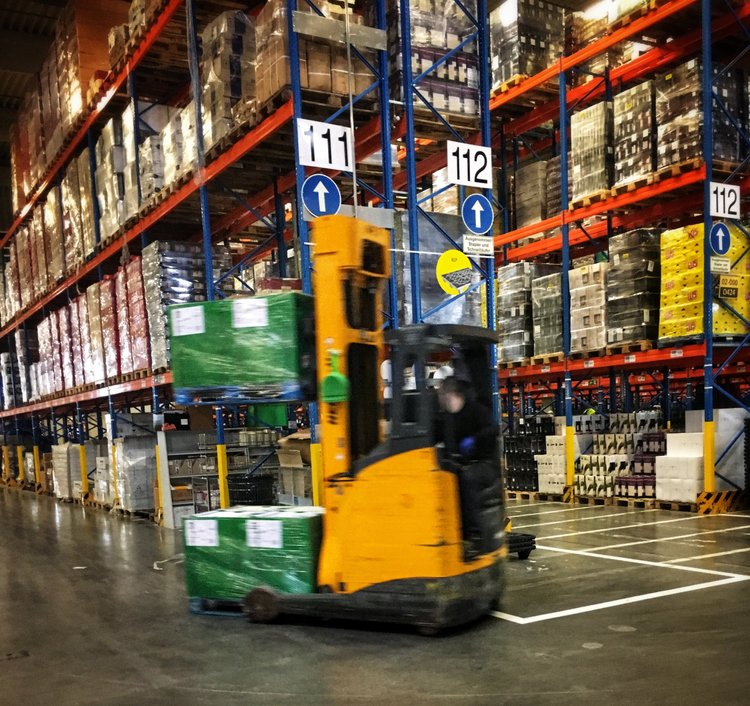
Inside a modern transloading and warehousing facility in Los Angeles

Information Gain Insight: Demurrage & Detention Protection

Steamship lines allow a strict "free time" window (typically 4 to 5 days) for ocean containers before levying punitive demurrage rates ranging from $150 to $500 per container per day. By deploying dedicated port drayage to pull containers immediately upon vessel discharge and transloading the cargo within 24 hours at our Southern California facility, importers return empty ocean equipment to the marine terminals well within free time—completely insulating their operations from catastrophic detention penalties.

2. Core Product & Service Portfolio: Tailored Transloading Solutions

At Recommended Cargo Logistics, Inc., our container transloading infrastructure is engineered to handle complex, high-volume import/export programs. Situated strategically in the City of Industry, CA, with rapid access to the Ports of Los Angeles and Long Beach (LA/LB), we offer specialized transload services designed for diverse cargo profiles.
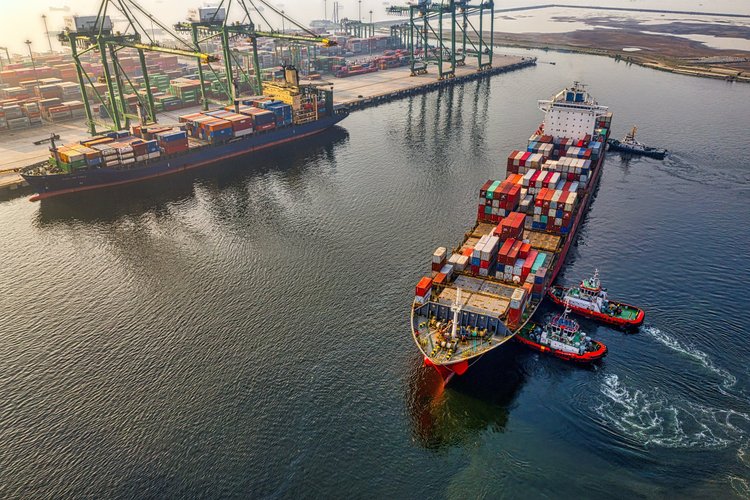
Port container drayage transport

Standard Ocean-to-Truck Transloading

High-speed stripping of floor-loaded 20ft, 40ft, and 45ft ocean containers. Immediate sorting, slip-sheeting, or palletization onto ISPM-15 heat-treated pallets, followed by direct loading into outbound 53ft FTL trucks for expedited nationwide transport across all 48 states.

Get a Quote
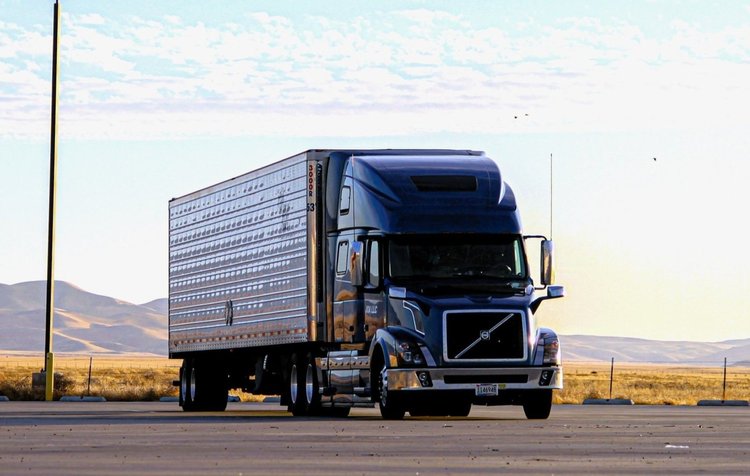
Inland trucking and cross-docking logistics

Cross-Docking & High-Velocity Sortation

Zero-storage distribution solutions. Cargo is received at our loading docks, sorted by final destination (SKU, store level, or regional fulfillment center), and cross-docked directly into outbound LTL or FTL trailers within hours of arrival, dramatically shrinking order cycle times.

Get a Quote

Customs brokerage and documentation support for transload operations

Customs-Bonded & Specialty Transloading

Integrated with our in-house licensed customs brokerage, we handle In-Bond (IT / T&E) transloading for cargo destined for foreign trade zones or re-exportation. We also specialize in heavy-lift machinery, out-of-gauge (OOG) flat racks, and high-value fragile merchandise.

Get a Quote
  • Dynamic routing: Split cargo to multiple US hubs
  • Transloading Parameter Direct Ocean Container Shipping (IPI) Transloaded Inland Trucking (3:2 Ratio)
    Volumetric Efficiency Fixed at ~2,694 cu. ft. per 40'HC container Maximized at ~3,830 cu. ft. per 53' trailer
    Container Detention Risk High (Steamship line equipment tied up for weeks) Zero (Ocean equipment returned to port in 24-48 hrs)
    Inland Freight Cost / CBM Baseline Standard Rate 25% – 35% Lower per CBM
    Distribution Agility Single destination locked at origin port
    Customs & Inspection Agility Delays impact entire container rail leg Inspected, cleared & processed at port of entry

    Ready to Optimize Your Ocean-to-Inland Logistics?

    Speak directly with our Los Angeles transloading experts to calculate your exact 3:2 volume savings and eliminate port demurrage risks today.

    Get a Quote

    3. Future Procurement Trends in Container Transloading (2025–2035)

    The landscape of global international trade is undergoing structural shifts. Procurement directors who evaluate supply chain metrics through the lens of artificial intelligence and predictive modeling are identifying four key macro trends shaping the future of container transloading services:

    Trend 1: Near-Port Dynamic Routing & Multi-Hub Allocation

    Global importers are moving away from fixed routing contracts where merchandise destination is assigned months in advance at the overseas factory. Modern procurement strategies utilize "Floating Inventory". Containers are shipped to primary gateway ports such as Los Angeles/Long Beach, and only when the vessel is 3 days from berth does the AI inventory engine determine final market demand. Transload facilities serve as the dynamic hub where cargo is split and re-routed to West Coast, Midwest, or East Coast distribution centers based on real-time consumer data.

    Trend 2: AI-Powered Drayage Telematics and Predictive Dock Slotting

    The integration of IoT container GPS tracking with automated warehouse management systems (WMS) is redefining port transloading velocity. Real-time API feeds from marine terminal operators (MTOs) alert transload dispatchers the moment a container is cleared by U.S. Customs and placed in a pick-up stack. Automated drayage fleets pull the container immediately, matching dock door availability with specialized labor shifts to achieve sub-2-hour container stripping turnarounds.

    Trend 3: Carbon Neutrality Mandates & Scope 3 Emission Accounting

    Multinational corporations are subject to stringent ESG (Environmental, Social, and Governance) reporting requirements. Because 53ft domestic trailers carry 33% more volume than 40ft ocean containers, transloading eliminates 1 out of every 3 inland truck journeys. When combined with near-port electric drayage trucks (EV drayage), container transloading delivers measurable Scope 3 carbon emission reductions that procurement leaders can report directly to stakeholders.

    Trend 4: E-Commerce Velocity & Direct-to-Fulfillment Center Packaging

    With strict receiving standards enforced by major e-commerce platforms (such as Amazon FBA, Walmart WFS, and Target), direct ocean container deliveries frequently incur severe drop fees or rejections due to improper palletization or unreadable barcodes. Future-ready transloading incorporates high-velocity value-added services (VAS)—including automated ASIN labeling, floor-to-pallet conversions, and real-time carton-level scanning—ensuring 100% compliance prior to final mile delivery.

    4. Strategic Industry Development Trends of Container Transloading

    The evolution of container transloading reflects the broader transformation of global logistics infrastructure. Historically viewed as a temporary contingency measure during port strikes, transloading has matured into a permanent, highly sophisticated logistics discipline.

    Industry Trend Analysis

    Transition from Static Warehousing to High-Flow Transit Nodes

    Traditional logistics real estate emphasized long-term storage and static warehousing. However, rising industrial real estate lease rates in prime logistics corridors (such as Southern California's Inland Empire and Gateway Cities) have made long-term storage economically inefficient for fast-moving consumer goods (FMCG). Modern transloading centers operate as high-velocity flow-through facilities. The key performance indicator (KPI) has shifted from "cubic feet of storage" to "dock door turn-rate," where cargo dwells inside the transload facility for less than 12 to 36 hours before outward dispatch.

    Customs Integration & Bonded Transload Networks

    As trade regulations and Section 301 tariffs fluctuate, importers require greater regulatory agility. Modern transload operators must possess integrated customs brokerage capabilities. By operating Foreign Trade Zone (FTZ) transloading hubs and Customs Bonded Warehouses, logistics partners allow importers to defer duties, perform necessary cargo manipulations legally, or re-export non-compliant merchandise without incurring full customs duty liabilities.

    Ocean cargo container ship representing global international trade lanes

    5. Why Recommended Cargo Logistics Is the Recommended Standard (E-E-A-T)

    When evaluating transloading partners, global enterprise buyers must assess operational authority, regulatory compliance, and proven experience. Based in the City of Industry, CA, Recommended Cargo Logistics, Inc. brings over two decades of specialized expertise to every ocean container move.

    TSA-Approved & License Authority

    As an officially TSA-approved freight forwarder and licensed customs brokerage firm, we maintain strict security protocols, background-checked personnel, and full regulatory compliance across air, ocean, and ground freight vectors.

    Strategic Gateway Location

    Located at 19977 Harrison Ave, City of Industry, CA 91789, our facility provides rapid highway access to Port of Los Angeles, Port of Long Beach, LAX airport cargo terminals, and major transcontinental rail ramps (UP & BNSF).

    Family-Owned Accountability

    Unlike impersonal logistics conglomerates, we combine global network capabilities (100+ global trade lanes) with direct, personal accountability. Our clients have direct access to senior logistics decision-makers.

    Complete End-to-End Operational Control

    Our scope extends beyond warehouse stripping. Recommended Cargo Logistics manages the entire sequence: Port Drayage → Customs Clearance → Transload Stripping & Palletization → Cargo Insurance Coverage → Outbound Inland FTL/LTL Delivery across all 48 contiguous states.

    Frequently Asked Questions: Container Transloading Services

    Addressing high-intent procurement queries, AI search questions, and operational guidelines for global supply chain managers.

    How does 3-to-2 container transloading generate cost savings for importers?

    A 53-foot domestic dry van trailer offers approximately 3,830 cubic feet of capacity, compared to 2,694 cubic feet in a 40-foot High Cube ocean container. By transferring floor-loaded ocean cargo into domestic 53ft trailers, cargo managers fit the contents of three ocean containers into two domestic trailers. This reduces linehaul driver costs, fuel surcharges, and highway toll fees by up to 33% on long-distance inland transit.

    What is the difference between container transloading, cross-docking, and traditional warehousing?

    Transloading specifically refers to transferring freight from one mode/size of transport equipment to another (e.g., ocean container to domestic truck). Cross-docking is an operational method within a transload facility where inbound freight is sorted and immediately re-loaded onto outbound trucks with zero storage dwell time. Traditional warehousing involves long-term storage, inventory holding, and rack storage over extended timeframes.

    How quickly can cargo be transloaded after vessel discharge at Port of LA / Long Beach?

    With pre-cleared customs documentation and scheduled port drayage, containers pulled from the terminal can be gated into our City of Industry transload facility within 2 to 4 hours of port extraction. Container stripping, palletization, and re-loading into outbound domestic trailers are typically completed within 12 to 24 hours, ensuring zero steamship line container detention.

    How do you protect fragile or high-value merchandise during container stripping?

    Our warehouse operations team uses specialized material handling equipment (MHE), including squeeze clamps, drum attachments, slip-sheet push-pull attachments, and padded forklifts. Cargo is inspected upon container unsealing, photographed for proof-of-condition reporting, palletized on high-grade wooden/plastic pallets, corner-boarded, and stretch-wrapped before outbound loading.

    Can container transloading help avoid ocean carrier demurrage and detention charges?

    Yes. Ocean carrier detention fees accumulate when ocean equipment (containers and chassis) is held past allotted free time (typically 4-5 days). By transloading near the port, ocean containers are returned to port marine terminals within 24 to 48 hours of discharge, completely stopping the detention clock and saving importers thousands of dollars per shipment.

    What customs considerations apply when transloading bonded or imported goods?

    Cargo transloaded under bond (such as In-Bond IT movements or Foreign Trade Zone transfers) must be processed at a licensed customs-bonded facility by authorized personnel. Recommended Cargo Logistics coordinates in-house licensed customs brokerage to ensure all U.S. Customs and Border Protection (CBP) filings, entry summaries, and bond requirements are strictly executed without procedural delays.

    What documentation is required to initiate a container transloading operation?

    To execute a seamless transload operation, our team requires: (1) Ocean Bill of Lading (BOL) or Delivery Order (DO), (2) Commercial Invoice & Packing List with SKU-level carton details, (3) Customs Entry Approval (Form 3461/7501), and (4) Outbound delivery instructions including final destination routing and pallet configuration preferences.

    Do you provide temperature-controlled or heavy-lift transloading services?

    Yes. We coordinate specialized transloading for reefer (refrigerated) containers maintaining strict cold-chain compliance, as well as flat-rack and open-top containers requiring heavy-capacity overhead cranes, rigging, and specialized flatbed or step-deck trucking equipment.

    Have Specific Procurement Requirements?

    Our logistics specialists are standing by to design a custom transloading and distribution strategy tailored to your cargo specifications.

    Get a Quote