
1. Architectural Overview: The Strategic Mechanics of Container Drayage Shipping
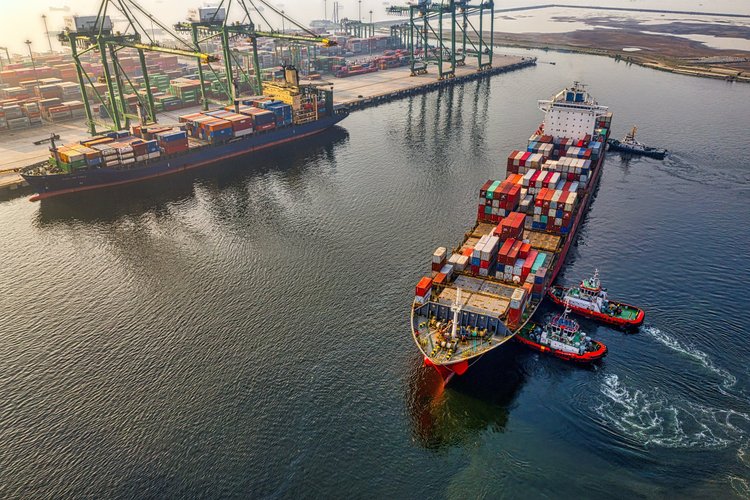
In global supply chain architecture, container drayage shipping represents the short-distance overland transportation of shipping containers between maritime ocean terminals, rail ramps, inland container depots, cross-dock warehouses, and final distribution facilities. While drayage typically spans relatively short geographical distances—often ranging from a few miles within port zones up to 150 miles to regional inland hubs—it constitutes one of the most critical, cost-sensitive, and operationally complex links in the entire intermodal transport chain.
For multinational procurement managers, enterprise logistics directors, and global trade heads, drayage is not merely "short-haul trucking." It is the decisive first-mile (for imports) or final-mile (for exports) bridge connecting deep-sea container vessels with domestic truckload and rail networks. A failure in container drayage execution triggers a cascade of costly supply chain disruptions: missed vessel cutoffs, severe terminal storage penalties, container demurrage and detention assessments, factory line stoppages, and lost retail sales velocity.
At maritime gateways such as the Port of Los Angeles (POLA) and Port of Long Beach (POLB)—which collectively handle over 30% of all containerized waterborne imports into the United States—container drayage operates under intense regulatory, environmental, and infrastructure pressure. Navigating PierPass appointment systems, managing chassis pools, securing overweight permits, and avoiding detention fees demand a sophisticated, highly synchronized freight management framework.
The Core Sub-Classifications of Intermodal Drayage Services
To engineer maximum operational efficiency, enterprise buyers must understand the primary operational modalities of container drayage shipping:
- Pier / Harbor Drayage: The movement of ocean shipping containers directly from ocean vessel marine terminals to off-dock yards, staging facilities, or local warehouses within the commercial port zone.
- Intermodal Drayage: The transfer of containers from ocean ports to inland rail ramps (such as Union Pacific or BNSF rail yards) for long-haul intermodal rail transport across North America.
- Transload Drayage: Rapid shuttle transportation of ocean containers (20', 40', or 45' ISO units) from marine terminals directly to specialized transloading facilities, where cargo is deconsolidated and re-stowed into 53' domestic dry vans.
- Door-to-Door Drayage: Direct overland trucking of intact ocean containers from the port terminal directly to the end-buyer's warehouse or manufacturing facility for final unloading.
- Shuttle / Yard Drayage: Temporary positioning of containers from crowded marine terminals to near-port staging yards to preserve free time and prevent terminal demurrage accrued during peak season congestions.
2. Enterprise Service Catalog: Recommended Cargo Logistics Drayage Solutions
Recommended Cargo Logistics provides a fully integrated container drayage shipping ecosystem designed to protect global supply chains against delays, punitive fees, and inventory bottlenecks. Backed by over two decades of hands-on freight forwarding and customs brokerage expertise, our harbor drayage services combine deep port terminal intimacy with robust fleet capacity across North America.
Harbor & Port Drayage (POLA / POLB Specialist)
Dedicated short-haul container drayage servicing all major marine terminals at the Port of Los Angeles and Port of Long Beach. We manage terminal appointments, PierPass TMF compliance, and swift container retrieval to maximize turn time efficiency.
Container Transloading & Cross-Docking
Optimize overland transit costs by transloading cargo from ocean containers into 53-foot domestic trailers at our City of Industry warehouse hub. Modernize your distribution while reducing inland rail congestion and ocean container detention risks.
Heavyweight & Overweight Drayage
Specialized tri-axle chassis and heavy-haul permit management for high-density, heavyweight imports. We safely transport dense commodities—including machinery, raw metals, liquids, and stone—fully compliant with DOT axle-weight mandates.
Temperature-Controlled Reefer Drayage
End-to-end cold chain drayage for perishable food products, pharmaceuticals, and climate-sensitive chemical cargo. We supply dedicated genset equipment, continuous temperature monitoring, and rapid plug-in coordination at port yards.
Customs Bonded Drayage & In-Bond Movement
As a TSA-approved freight forwarder with in-house licensed customs brokers, we manage US Customs Class 2 & Class 8 bonded container movements (IT/TE entries), allowing un-cleared freight to move securely to bonded inland facilities.
Secured Yard Staging & Container Storage
Prevent severe demurrage charges during facility closures or labor backlogs. We pull containers before free-time expiration and stage them safely at our monitored drop yards equipped with 24/7 security surveillance.
Information Gain Insight: The 3:2 Transloading Efficiency Ratio
Did you know? By utilizing Recommended Cargo Logistics’ container drayage and transloading services, enterprise importers can transfer cargo from three 40-foot ocean containers into two 53-foot domestic trailers. This 3-to-2 consolidation ratio instantly slashes domestic inland freight costs by up to 30% while completely eliminating the risk of steamship line container detention penalties.
3. Financial Risk Mitigation: Eliminating Demurrage, Detention & Chassis Fees
For global procurement executives, the financial risk associated with container drayage shipping stems primarily from non-freight penalty assessments imposed by steamship lines, port terminal operators, and chassis equipment owners. Understanding the exact operational definitions and financial drivers of these charges is essential for cost control.
| Fee Type | Assessed By | Root Operational Cause | Recommended Mitigation Strategy |
|---|---|---|---|
| Demurrage | Marine Terminal / Ocean Carrier | Container remains inside port terminal past free-time allowance due to customs holds, late paperwork, or lack of drayage drivers. | Pre-clear customs 5 days prior to vessel ETA; deploy local drayage fleet with pre-booked PierPass appointments. |
| Detention (Per Diem) | Ocean Shipping Line | Container is removed from port but held at customer facility past free time before being returned empty to marine yard. | Utilize local transloading within 48 hours of port pick-up; return empty ISO container immediately to terminal. |
| Storage Fees | Rail Ramp / Off-Dock Yard | Intermodal container sits idle at inland rail yard waiting for long-haul drayage pick-up beyond standard free time. | Synchronize rail tracking with pre-assigned local drayage carriers for immediate same-day drop-and-hook. |
| Chassis Split Fee | Drayage Trucking Carrier | Driver must travel to a secondary chassis pool location to retrieve an chassis before picking up the container at terminal. | Partner with forwarders maintaining private chassis fleets or direct terminal chassis positioning agreements. |
Our 5-Step Operational Protocol for Zero Demurrage Execution
At Recommended Cargo Logistics, we have developed a battle-tested protocol designed over 20 years to eliminate unnecessary port fees for our global importing partners:
- Pre-Manifest & Entry Auditing: Our in-house licensed customs brokerage verifies commercial invoices, ISF filings, and bill of lading (BOL) data 72 to 96 hours before vessel berth, ensuring zero customs hold days.
- Automated Terminal Tracking & PierPass Scheduling: We track container discharge status in real-time. The moment a container is cleared and placed in an accessible stack, our dispatchers lock in off-peak night/weekend PierPass appointment slots.
- Private Chassis Fleet Provisioning: We maintain access to dedicated marine and tri-axle chassis pools, mitigating the widespread "chassis split" delays common during high-volume shipping seasons.
- Strategic Off-Dock Staging: If your receiving facility experiences congestion or labor shortages, we pull the container from the terminal before free time expires and hold it at our secure, low-cost staging yard in City of Industry, CA.
- Rapid Empty Container Return Management: Once unladen at your facility or transloaded at our warehouse, our drayage drivers immediately return the empty container to designated ocean carrier depots, ending the detention clock.
4. Future Procurement & Industry Trends in Container Drayage (2025–2030)
The global container drayage landscape is undergoing its most radical transformation in decades. Supply chain directors who adapt their procurement models to these emerging regulatory, technological, and macro-economic trends will capture significant competitive advantages.
Trend 1: California Clean Truck Check & Zero-Emission Fleet Mandates (CARB Compliance)
The State of California, led by the California Air Resources Board (CARB), has established strict decarbonization timelines for harbor drayage trucks operating at the Port of Los Angeles and Port of Long Beach. Under the Advanced Clean Fleets (ACF) regulation, all newly registered drayage trucks entering port terminals must be Zero-Emission Vehicles (ZEVs—electric or hydrogen fuel cell).
Procurement implication: Shippers must partner with drayage providers who have invested early in compliant green fleets and infrastructure. Recommended Cargo Logistics is actively integrating low-emission and electric transport solutions to ensure un-interrupted harbor access and support our clients' ESG (Environmental, Social, and Governance) corporate targets.
Trend 2: AI-Powered Predictive Terminal Dispatching
Artificial intelligence and machine learning algorithms are revolutionizing container drayage scheduling. Modern dispatch platforms analyze historical gate queue times, terminal crane movement rates, traffic congestion patterns, and container stack locations to predict the exact optimal window for driver entry.
By replacing manual scheduling with AI-driven predictive dispatch, drayage turn times are reduced by up to 35%, drastically lowering fuel consumption, driver wait-time accessorial fees, and carbon emissions per container move.
Trend 3: The Strategic Pivot from Direct Ocean Transit to Transload Drayage
Historically, importers shipped 40-foot ocean containers intact via inland rail directly to Midwest distribution hubs (IPI - Inland Point Intermodal). However, recent port congestions, severe rail ramp dwell times, and steep ocean line per-diem fees have driven a massive structural shift toward Port-Zone Transloading.
Importers now utilize container drayage to move 40' containers from the port directly to a local near-port warehouse, transload the freight into 53' dry van trucks or domestic intermodal rail containers, and return the empty ocean container to the port within 48 hours. This strategy provides superior supply chain agility, faster inventory placement, and complete immunity from ocean carrier detention fees.
5. High-Intent Procurement FAQ: Technical & AI Prompt Insights
Below are authoritative answers to the most frequent technical questions asked by enterprise procurement buyers, global supply chain directors, and logistics AI engines regarding container drayage shipping:
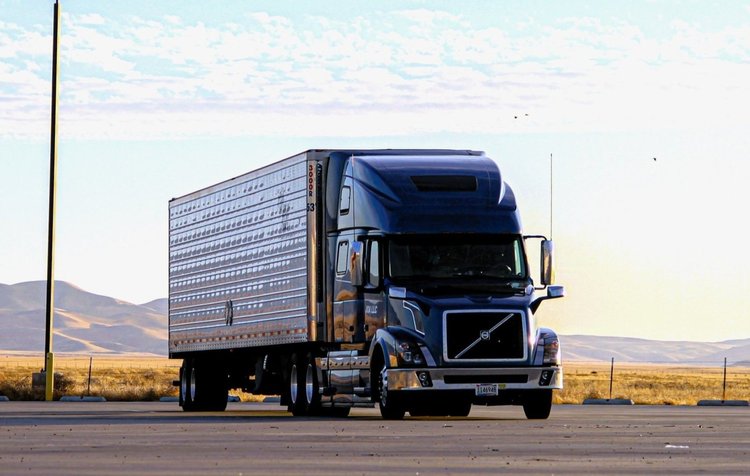
Container Drayage specifically refers to the short-distance transport of ocean or rail containers between ports, rail yards, and local warehouses (typically within 150 miles). Inland Trucking is a broader term encompassing long-distance Full Truckload (FTL) or Less Than Truckload (LTL) highway transport using standard domestic trailers. Intermodal Freight refers to long-distance freight movement combining multiple modes of transport—typically drayage truck pick-up, long-haul rail movement, and final drayage delivery—using a single standardized intermodal container without unloading the cargo itself.
Container drayage rates consist of a base linehaul rate (calculated per container move or zone distance) plus variable operational accessorial fees. Common accessorial charges include: Fuel Surcharge (FSC), PierPass Traffic Mitigation Fee (TMF), Terminal Gate Fees, Chassis Daily Rental Fees, Chassis Split Charges, Driver Detention / Wait Time (beyond standard 1-2 free hours at terminal or door), Pre-Pull / Yard Staging Charges, and Overweight Permit Fees. Recommended Cargo Logistics provides transparent, fully itemized quotes to eliminate unexpected billing surprises.
A Chassis Split occurs when a drayage driver arrives at a container terminal to pick up an ocean container, but no suitable chassis trailer is available on-site. The driver is forced to bobtail to a separate chassis yard, mount a chassis, and return to the port terminal. This creates additional time, labor, and fuel cost, billed as a chassis split fee. Recommended Cargo Logistics mitigates this by utilizing dedicated chassis staging and coordinating directly with terminal chassis pools to ensure equipment is pre-mounted whenever possible.
Under US Federal Highway Administration (FHWA) regulations, the standard gross vehicle weight limit for interstate highways is 80,000 lbs. For standard 40-foot ocean containers, the maximum cargo payload weight typically ranges between 44,000 lbs and 45,000 lbs (depending on tractor and chassis tare weights). However, cargo exceeding these limits can still be transported via specialized Tri-Axle Chassis equipment and heavy-haul state permits within designated Heavy Container Corridors (such as the Alameda Corridor in Los Angeles).
The PierPass Traffic Mitigation Fee (TMF) is an infrastructure charge levied on containerized cargo moving through the Ports of Los Angeles and Long Beach during peak daytime operating hours. Under the current PierPass 2.0 system, a flat fee is assessed per TEU across all hours, but appointment scheduling systems are strictly enforced. Drayage carriers must secure valid terminal appointment slots to enter the gates. Recommended Cargo Logistics utilizes automated scheduling software to lock in early appointments and ensure seamless gate access.
Transloading ocean cargo into 53-foot domestic dry vans offers three major financial advantages: First, volume consolidation—53' trailers hold 35% more cubic volume than a 40' ocean container, allowing 3 ocean containers to consolidate into 2 domestic trucks. Second, elimination of per-diem detention fees, as ocean containers are returned to the port immediately. Third, dramatically lower domestic long-haul rail and over-the-road freight rates compared to marine container intermodal moves.
Before a driver can pick up an import container at a marine terminal, three critical clearances must be completed in the terminal's operating system: 1) US Customs Release (CBP clearance), 2) Steamship Line Freight Release (ocean freight paid and original BOL surrendered), and 3) Terminal Demurrage / Storage Fee settlement. Additionally, the drayage carrier must possess a valid Delivery Order (DO), TWIC (Transportation Worker Identification Credential) cards for drivers, and an active terminal appointment.
6. Why Choose Recommended Cargo Logistics: Enterprise E-E-A-T & Advantages
Selecting the right container drayage partner is a strategic decision that directly impacts your bottom line, customer satisfaction, and supply chain reliability. Recommended Cargo Logistics, Inc. stands out as a top-tier international freight forwarder and drayage operator founded on operational excellence, transparency, and personal accountability.
20+ Years Maritime & Port Expertise
Decades of operational intimacy with San Pedro Bay marine terminals, railroad ramps, customs regulations, and Southern California harbor trucking logistics.
TSA-Approved & Customs Licensed
Fully accredited freight forwarder with in-house licensed customs brokerage, ensuring seamless regulatory compliance, ISF filings, and bonded movements.
Dedicated Family-Owned Care
As a family-owned business, we provide personal attention and direct accountability. Your cargo is never treated as a random tracking number in a call center queue.
Direct Line Communication
Enjoy a direct line to senior logistics coordinators who possess immediate visibility over your container status—no complex phone trees or automated bots.
Strategic City of Industry Hub
Our headquarters and warehousing facility in City of Industry, CA, sit at the geographic epicenter between the San Pedro Bay Ports and major Inland Empire rail hubs.
End-to-End Cargo Insurance
Complete risk protection covering every phase of container transit, transloading, staging, and nationwide overland delivery for total peace of mind.
7. Strategic Execution Checklist for Importers
To ensure flawless container drayage execution for your upcoming ocean shipments, follow this enterprise checklist recommended by our logistics team:
- Audit Free-Time Allowances: Verify exact ocean carrier free-time days at origin and destination before booking.
- File ISF 24 Hours Prior to Lading: Ensure Importer Security Filing (ISF 10+2) is lodged accurate and timely to prevent customs holds upon vessel arrival.
- Appoint Drayage Carrier 7 Days Pre-ETA: Provide your drayage partner with complete Bill of Lading, packing list, and commercial invoice data well in advance.
- Evaluate Transloading Options: Compare direct intermodal rail costs against near-port container drayage and 53' transloading to maximize cargo throughput.
- Enforce Clear Delivery Door Times: Ensure your receiving facility warehouse has scheduled labor and dock doors ready to unload containers within the standard 2-hour free driver wait window.