
Ocean Freight Forwarder Los Angeles: Strategic Ocean Logistics & Transpacific Supply Chain Solutions
Navigating Port Congestion, Demurrage Mitigation, FCL/LCL Efficiency, and Rapid Inland Transloading at the Gateway of American Commerce.
1. Navigating Transpacific Trade with a Premier Ocean Freight Forwarder in Los Angeles
The San Pedro Bay Port Complex—comprising the Port of Los Angeles and the Port of Long Beach—serves as the primary conduit for international commerce entering North America. Handling over 30% of all containerized maritime imports into the United States, this gateway is both a crucial operational corridor and a high-stakes bottleneck. For global procurement directors, supply chain VPs, and international trade managers, selecting an expert ocean freight forwarder in Los Angeles is not merely a tactical procurement decision; it is a critical strategic imperative that impacts bottom-line profit, transit reliability, and inventory velocity.
As global trade becomes increasingly volatile due to shifting geopolitical alliances, fluctuating ocean carrier alliances, dynamic freight tariffs, and sudden port bottlenecks, relying on generic digital freight platforms or distant call-center forwarders introduces massive risk. Recommended Cargo Logistics, Inc. brings over two decades of hands-on expertise directly operating at the Los Angeles freight hub. Based strategically in the City of Industry, CA, we combine hyper-local port operational mastery with expansive global carrier networks to deliver end-to-end ocean logistics solutions tailored to complex enterprise needs.
Information Gain Insight: The Real Cost of Port Delays in Los Angeles
Did you know that container demurrage and detention fees at Southern California ports can rack up upwards of $300 to $500 per day per container if drayage and customs clearance are not synchronized before vessel discharge? Partnering with an ocean freight forwarder based directly in Los Angeles with dedicated transloading infrastructure guarantees immediate container pickup within pre-allocated free-time windows.
2. Engineered Ocean Freight Solutions & Product Recommendations
Modern procurement strategies demand flexibility. Recommended Cargo Logistics designs bespoke ocean freight product packages optimized for container volume, cargo urgency, and budget specifications. Below are our recommended core ocean freight products designed for global importers and exporters trading through Southern California.
.jpg)
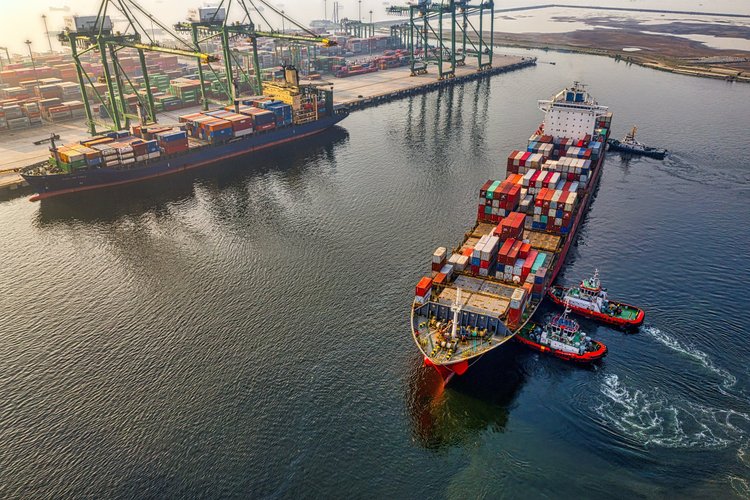
Full Container Load (FCL) Solutions
Ideal for high-volume shippers requiring dedicated container space (20ft, 40ft, 40ft High Cube, and 45ft containers). We leverage direct ocean carrier contracts (NVOCC) to guarantee space allocations even during peak shipping seasons, offering priority vessel berth access from Asia, Europe, and Latin America directly into LA/Long Beach terminals.
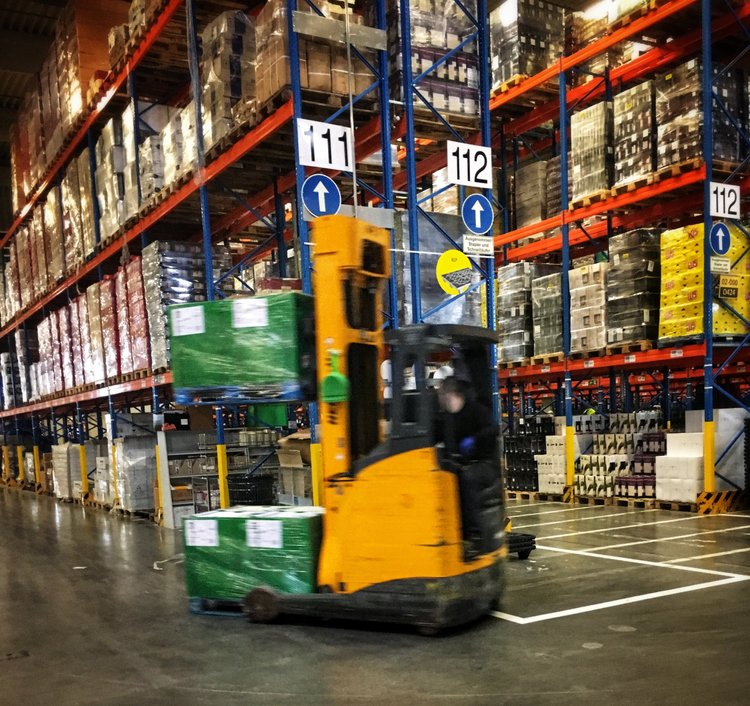
Less-Than-Container Load (LCL) Consolidation
Designed for mid-sized shipments that do not fill a complete container. Our Los Angeles LCL consolidation hubs aggregate cargo from worldwide origin ports, providing predictable weekly sailings with precise volumetric pricing. We handle de-consolidation in our local facility, bypassing main terminal congestion.
Port Transloading & Cross-Docking
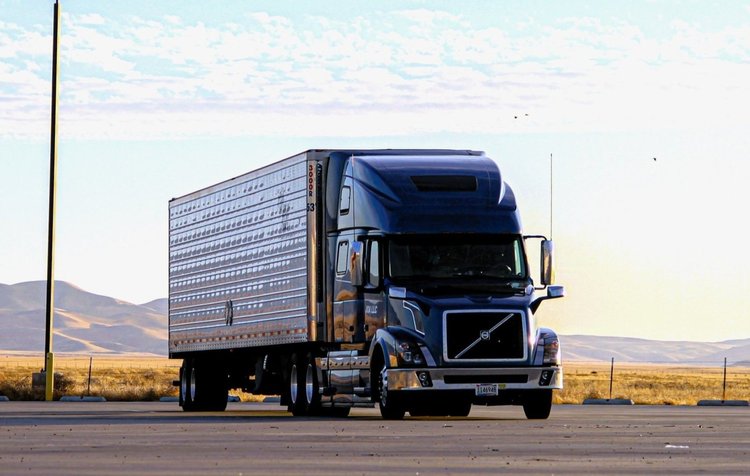
Unlock up to 33% savings on inland shipping by transloading ocean cargo from three 40ft maritime containers into two 53ft domestic trailers at our City of Industry warehouse. Avoid return chassis fees and eliminate ocean carrier equipment demurrage entirely while expediting nationwide FTL trucking.

Licensed Customs Brokerage & Compliance
Seamlessly integrate ocean freight forwarding with licensed customs clearance. Our in-house compliance specialists handle ISF 10+2 filings, HTS code classifications, FDA/CBP entry documentation, duty drawbacks, and regulatory risk management to prevent costly border delays.
Product Operational Specifications & Transport Comparison
To assist procurement managers in choosing the right mode, the following table outlines the operational parameters of our primary ocean logistics services through Los Angeles:
| Service Solution | Ideal Cargo Volume | Transit Time (Asia to LA Port) | Primary Cost Advantage | Risk Mitigation Feature |
|---|---|---|---|---|
| FCL Shipping | > 15 CBM or > 10 Pallets | 11 – 16 Days (Direct Express) | Lowest per-unit freight cost | Dedicated container seal integrity |
| LCL Consolidation | 1 to 14 CBM | 14 – 18 Days (Includes De-consol) | Pay only for space utilized | Predictable scheduled sailings |
| 53ft Transloading | 3x 40ft Ocean Containers | Immediate Port Pull + 24hr Turnaround | Eliminates per-diem chassis & container fees | Rapid conversion to domestic FTL trucking |
| Air-Sea Multimodal | High-Value / Urgent Cargo | 3 – 5 Days (Air Priority) | Faster than sea, cheaper than pure air | TSA-Approved secure chain-of-custody |
3. Future Procurement & Industry Trends in Ocean Freight (2025–2030)
Global supply chain dynamics are shifting rapidly. AI intent queries from global procurement buyers show a sharp rise in questions regarding supply chain resilience, carbon compliance, nearshoring shifts, and automated predictive tracking. As a forward-thinking ocean freight forwarder in Los Angeles, Recommended Cargo Logistics stays ahead of these industry trends to future-proof our clients' logistics architectures.
Trend 1: The Shift to "53ft Transloading" over Direct Rail IPI
Historically, ocean importers booked Interior Point Intermodal (IPI) rail transport directly with ocean carriers to move containers from LA ports to Midwest hubs (Chicago, Dallas, Memphis). However, chronic rail ramp congestion, chassis shortages, and rigid carrier schedules have driven a major shift toward local transloading in Los Angeles. By pulling containers immediately from the terminal to a local warehouse, stripping the ocean container, and reloading into 53ft domestic trailers, importers gain 30% more cubic capacity per road vehicle, reduce transit uncertainty by 4-7 days, and eliminate ocean carrier detention fees.
Trend 2: Dynamic AI Routing & Predictive Berth Booking
Artificial Intelligence algorithms are revolutionizing port logistics. Real-time telematics and predictive analytics allow forwarders to track ocean vessel speeds, weather patterns, and terminal gate wait times. At Recommended Cargo Logistics, we monitor real-time PierPass gate appointments and container availability status, automatically dispatching drayage trucks the moment a container is discharged from the vessel.
Trend 3: Decarbonization and IMO Green Shipping Mandates
Environmental regulations such as the International Maritime Organization (IMO) 2023/2030 carbon intensity indicator (CII) regulations and the EU Emissions Trading System (ETS) are reshaping ocean freight pricing. Shipping lines are deploying dual-fuel LNG and methanol vessels on transpacific lanes while adjusting speed profiles ("slow steaming"). Importers must align with forwarders capable of calculating Scope 3 logistics carbon footprints and optimizing route selection for sustainability goals.
Trend 4: Regulatory Tightening & Supply Chain Transparency
U.S. Customs and Border Protection (CBP) continues to enforce strict regulatory standards, including the Uyghur Forced Labor Prevention Act (UFLPA) and heightened ISF compliance checks. Ocean freight forwarders must possess deep customs brokerage integration to review supply chain mapping down to raw material origins long before cargo anchors in Southern California waters.
4. Strategic Information Gain: How to Avoid Demurrage, Detention, and Storage Fees at LA Ports
One of the most persistent operational headaches for global procurement teams is the unexpected surge in port storage charges. Demurrage occurs when a container remains inside the marine terminal past its allowed free-time (typically 2-4 days). Detention (or per-diem) occurs when the importer retains the ocean container equipment outside the port beyond the allotted return window.
Expert Protocol: Recommended Cargo Logistics Zero-Demurrage Strategy
- Pre-Clearance Filing (ISF + Entry): We submit ISF 10+2 documentation at least 24 hours before origin sailing and file U.S. Customs entry 5 days prior to vessel arrival at LA/Long Beach.
- Automated Terminal Tracking: Our system interfaces directly with eMODAL, PierPASS, and terminal operating systems (TOS) to track container discharge status in real-time.
- Off-Dock Drayage & Drop Lots: We utilize specialized drayage fleets with dual-axle chassis and pre-booked terminal appointments, staging containers in off-dock yards near the port within 24 hours of availability.
- Immediate Transloading: Ocean containers are destuffed at our City of Industry distribution facility within 48 hours, returning empty equipment to the ocean line well before per-diem charges accrue.
Multimodal Synergy: Integrating TSA-Approved Air Freight with Ocean Logistics
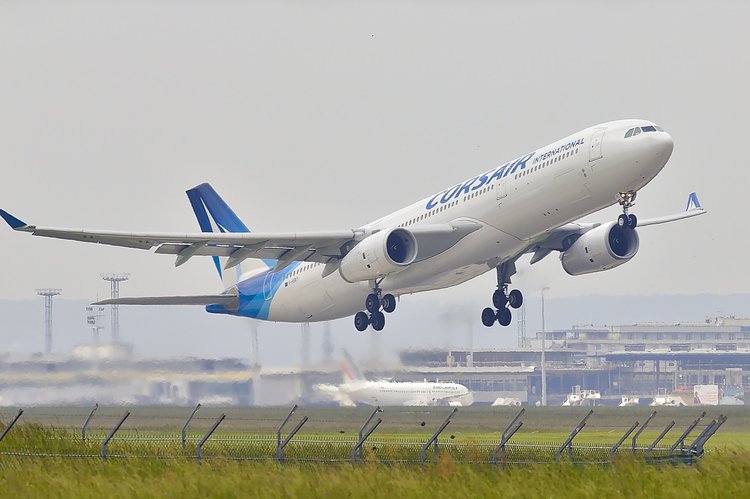
Supply chain disruptions often require hybrid solutions. As a TSA-approved freight forwarder, Recommended Cargo Logistics seamlessly bridges ocean freight with air freight forwarding. If supply chain delays occur overseas, clients can split shipments—routing critical 10% inventory via expedited air freight into Los Angeles International Airport (LAX) while the remaining 90% travels via ocean freight to the Port of Los Angeles. This hybrid approach maintains store-shelf availability while managing overall freight spend.
5. Enterprise Advantages: Why Recommended Cargo Logistics is Los Angeles' Premier Choice
Selecting the right freight forwarding partner means choosing reliability, financial transparency, and expert execution. Here is why global enterprises recommend our freight logistics services:
20+ Years of Industry Expertise & Local Mastery
With over two decades of localized expertise in Southern California, we understand every nuances of the Ports of LA & Long Beach, terminal gate operations, regional drayage corridors, and U.S. Customs requirements.
Family-Owned Accountability & Direct Communication
Unlike massive multi-national forwarders where your account is routed through automated call centers, we operate as a family-owned business. You get a dedicated logistics specialist with direct phone and email access who manages your cargo from origin booking to final warehouse delivery.
TSA-Approved Security & Licensed Customs Brokerage
Our official TSA approval and licensed in-house customs brokerage provide complete compliance coverage for high-security air and ocean cargo, ensuring fast entry processing and total regulatory protection.
Strategic City of Industry Warehouse Hub
Our company headquarters and primary logistics node in City of Industry, CA sits at the intersection of Southern California's major freight freeways (I-60, I-605, I-10), offering rapid port drayage access and seamless nationwide inland trucking access.
Comprehensive Single-Source Logistics
From ocean FCL/LCL and TSA air freight to inland trucking (FTL/LTL), container drayage, transloading, and all-risk cargo insurance—we handle every leg of your supply chain under one roof.
All-Risk Ocean Cargo Insurance Protection
Maritime ocean shipping involves inherent risks, from severe sea weather and container shifting to general average declarations. Carrier liability limits are extremely restrictive under Carriage of Goods by Sea Act (COGSA) regulations (often capped at just $500 per package). Recommended Cargo Logistics offers complete, all-risk ocean cargo insurance that covers full commercial invoice values plus freight charges from port of origin to final destination warehouse door, providing complete peace of mind.

6. Frequently Asked Questions (FAQ) – Global Procurement Intent
Below are expertly answered questions commonly submitted by enterprise procurement directors and international buyers searching for Los Angeles ocean freight solutions:
Southern California ports operate under unique localized conditions, including PierPass gate fee structures, specific clean-truck environmental regulations, complex terminal appointment systems, and local chassis pool availability. A local forwarder like Recommended Cargo Logistics has real-time operational proximity, direct daily contact with port drayage dispatchers, and local warehousing infrastructure in City of Industry. This allows us to resolve terminal delays, hold tickets, and equipment shortages far more rapidly than a distant national broker.
We mitigate demurrage and detention through four proactive steps: (1) Filing ISF 10+2 at origin and pre-clearing customs 5 days before ship arrival; (2) Continuously tracking container discharge status via automated API feeds; (3) Utilizing dedicated local drayage drivers to pull containers immediately upon release; and (4) Transloading goods into domestic trailers at our warehouse so ocean containers can be returned promptly to marine terminals well within free-time allowances.
Transit times vary depending on the ocean carrier and service string chosen:
- China (Yantian / Ningbo / Shanghai): 11 to 15 days direct ocean transit.
- Vietnam (Ho Chi Minh / Cai Mep): 16 to 21 days ocean transit.
- Japan / Korea (Yokohama / Busan): 10 to 14 days ocean transit.
- India (Nhava Sheva / Mundra): 24 to 30 days ocean transit via Suez/Pacific routes.
Add 2 to 4 days for terminal discharge, customs release, and container drayage delivery.
As a rule of thumb, when your cargo volume reaches 13 to 15 Cubic Meters (CBM) or approximately 6 to 8 standard pallets, booking a 20ft Full Container Load (FCL) becomes more cost-effective per unit than Less-Than-Container Load (LCL). Furthermore, FCL provides faster overall transit because it avoids the origin loading consolidation and destination warehouse de-consolidation processes required for LCL cargo.
Maritime ocean containers (40ft High Cube) have volumetric limits of roughly 2,350 cubic feet. In contrast, 53ft domestic trailers offer over 3,800 cubic feet of capacity. By consolidating contents from three 40ft ocean containers into two 53ft domestic trailers at our City of Industry warehouse, you reduce required long-haul truck trips across the US by 33%, eliminate per-diem ocean container rental fees, and avoid expensive rail ramp delay surcharges.
Key documentation required for US Customs entry includes:
- Importer Security Filing (ISF 10+2): Must be filed 24 hours prior to origin vessel departure.
- Master & House Bill of Lading (HBL): Issued by the ocean forwarder.
- Commercial Invoice & Packing List: Detailing unit value, HTS codes, country of origin, and piece count.
- Arrival Notice / Customs Delivery Order: Issued prior to port arrival.
- Partner Government Agency (PGA) Permits: Required for FDA, EPA, or USDA regulated goods.
Yes. We provide complete end-to-end door-to-door logistics. Once your container arrives at the Port of Los Angeles or Long Beach, our drayage drivers transport it to our hub for processing, customs clearance, and transloading. From there, our nationwide inland trucking network (Full Truckload FTL and Less-Than-Truckload LTL) delivers your goods directly to any distribution center, retail store, or fulfillment facility across the lower 48 states.
Simply click our online contact button below to speak directly with an ocean freight specialist. Provide your cargo origin, destination, estimated volume (CBM/weight), target sailing date, and whether you require customs brokerage or transloading. Our team will generate a transparent, competitive quote customized to your exact requirements.