
Full Truckload Shipping (FTL): Strategic Sourcing, Equipment Specs & Global Supply Chain Optimization Guide
An authoritative masterclass for global procurement managers, enterprise importers, and supply chain directors. Discover how to streamline inland freight across all 48 U.S. states, execute 3:2 port transloading, eliminate detention costs, and leverage dedicated capacity from Southern California gateways.
Mastering Full Truckload Shipping (FTL) in Global Supply Chains
Why high-volume importers and B2B procurement leaders rely on dedicated truckload capacity to eliminate supply chain friction and maximize margin velocity.
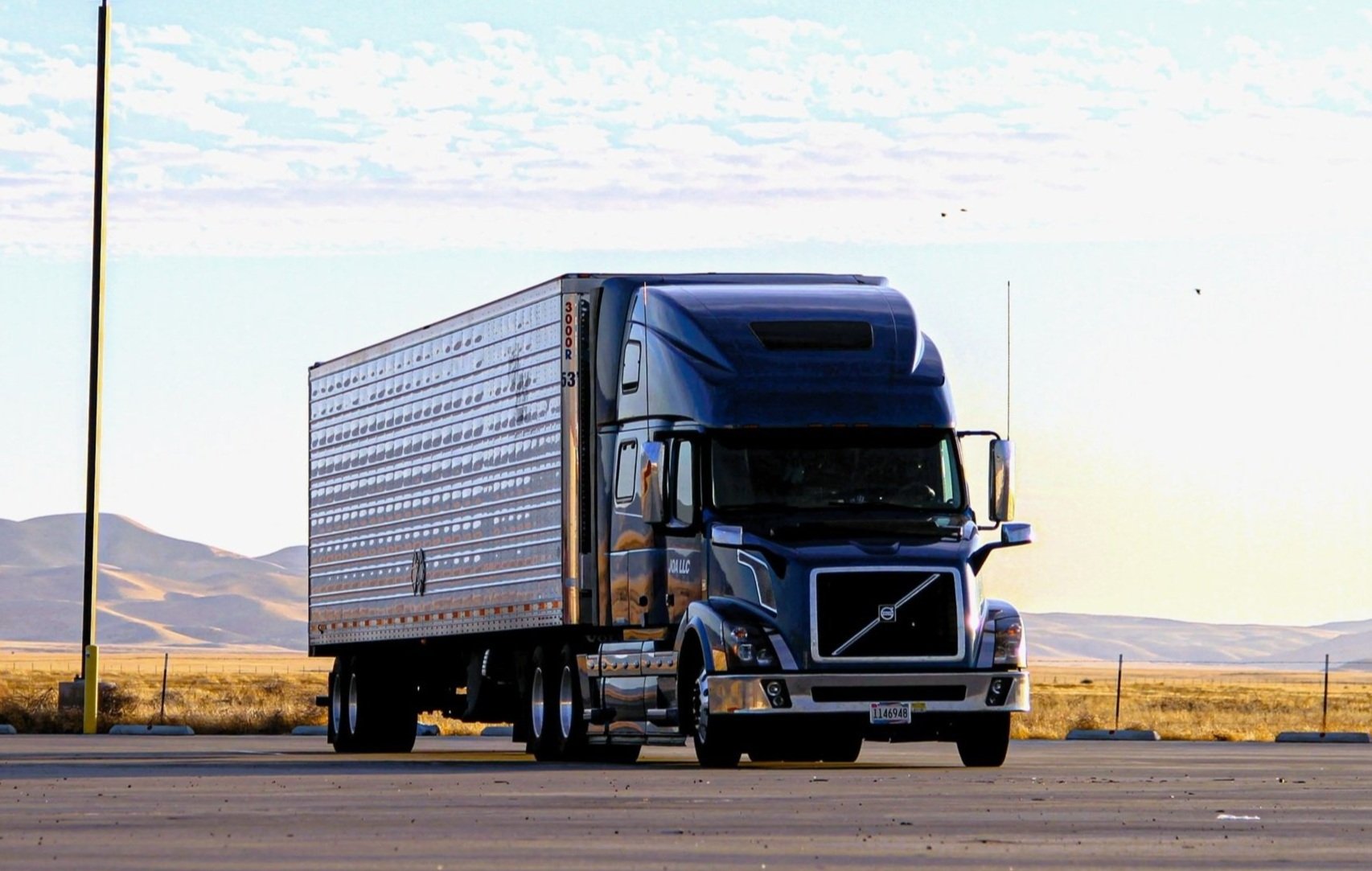
In modern enterprise freight distribution, Full Truckload Shipping (FTL) represents the vital connective tissue between international gateways—such as the Port of Los Angeles, Port of Long Beach, and Los Angeles International Airport (LAX)—and domestic fulfillment networks across the continental United States. Unlike Less Than Truckload (LTL) shipments, which aggregate freight from dozens of shippers through complex hub-and-spoke networks, FTL logistics allocates an entire semi-trailer exclusively to a single chartering business. This dedicated capacity eliminates handling stops, mitigates cargo damage risks, drastically cuts transit duration, and provides transparent, predictable line-haul pricing structures.
The Strategic Physics of FTL vs. LTL Freight Sourcing
Navigating the economic threshold between FTL and LTL is a fundamental decision for procurement officers. While LTL is structured around billable weight and NMFC freight classifications, Full Truckload operates on dedicated spatial and weight capacities. When cargo volume exceeds 10 to 12 standard pallets (or roughly 15,000 lbs), LTL rates scale exponentially due to handling surcharges and accessorial costs. Conversely, contracting a dedicated 53-foot dry van unlocks fixed-rate cost efficiencies regardless of freight class.
Furthermore, FTL shipping delivers unparalleled transit speed. Once loaded at our City of Industry transloading facility or directly from a ocean port terminal, the tractor-trailer proceeds straight to your destination distribution center without interim dock transfers, securing zero-touch integrity for high-value or fragile goods.
Information Gain Insight: The "Cube-Out vs. Weight-Out" Sourcing Formula
Global logistics executives often miscalculate FTL efficiency by focusing strictly on gross weight. Optimization requires mastering the balance between volumetric capacity (Cube-Out at ~3,800 cu. ft.) and maximum legal axle limits (Weight-Out at 45,000 lbs net payload). For lightweight high-density goods (e.g., electronics or packaged consumer items), floor-loading or double-stacking 53ft dry vans captures up to 52 pallet positions, slashing per-unit transportation costs by up to 28% compared to standard ocean container inland drayage.
Recommended FTL Equipment Configurations & Technical Capabilities
Matching your specific cargo profile—temperature-sensitive, heavy machinery, or retail commodities—with the exact trailer configuration.
Recommended Cargo Logistics operates an extensive fleet network offering fully compliant, late-model tractor-trailers. Selecting the optimal asset class prevents transit delays, safeguards cargo integrity, and ensures full adherence to Federal Motor Carrier Safety Administration (FMCSA) and Department of Transportation (DOT) standards.
| Trailer Type | Standard Dimensions (L x W x H) | Max Payload Weight | Pallet Capacity (48" x 40") | Primary Industry Applications |
|---|---|---|---|---|
| 53' Dry Van (Standard) | 53' x 102" x 110" | 45,000 lbs (20,411 kg) | 26 Floor / 52 Double-Stacked | General Dry Goods, Consumer Goods, Electronics, Apparel |
| 53' Temperature-Controlled (Reefer) | 53' x 102" x 104" | 42,500 lbs (19,277 kg) | 26 Floor-Loaded | Pharmaceuticals, Perishables, Frozen Foods, Chemicals |
| 48' / 53' Flatbed Trailer | 48'-53' x 102" x Open Height | 48,000 lbs (21,772 kg) | Variable / Over-Dimensional | Construction Materials, Steel Coils, Heavy Industrial Equipment |
| Step-Deck / Drop-Deck Trailer | 53' x 102" (Lower Deck 40') | 45,000 lbs (20,411 kg) | Specialized Crane Loading | Tall Machinery, Vehicles, Oversized Industrial Units |
| Port Drayage Chassis (Tri-Axle) | 20' / 40' / 45' Intermodal | Up to 47,000 lbs (with Overweight Permit) | 1 Ocean Container (FCL) | Direct Ocean Container Import/Export Port Drayage |
53ft Dry Van Solutions
The workhorse of domestic logistics. Equipped with wood floors, air-ride suspension, and dunnage tracking systems to secure cargo over long-haul interstate transit with minimal vibration.
Cold-Chain Reefer Logistics
State-of-the-art climate control units maintaining micro-temperatures from -20°F to 70°F. Features continuous IoT telemetry logging for real-time compliance validation.
Port Drayage & Transloading
Direct harbor drayage from LA/Long Beach piers to our City of Industry transload facility. We strip 20'/40' ocean boxes and consolidate cargo into 53' FTL vans to slash inland freight expenditures.
Future Procurement Trends Shaping Full Truckload Logistics (2025–2030)
Strategic forecast for international buyers navigating supply chain realignment, regulatory shifts, and digital freight transformation.
1. Nearshoring & Cross-Border FTL Corridors
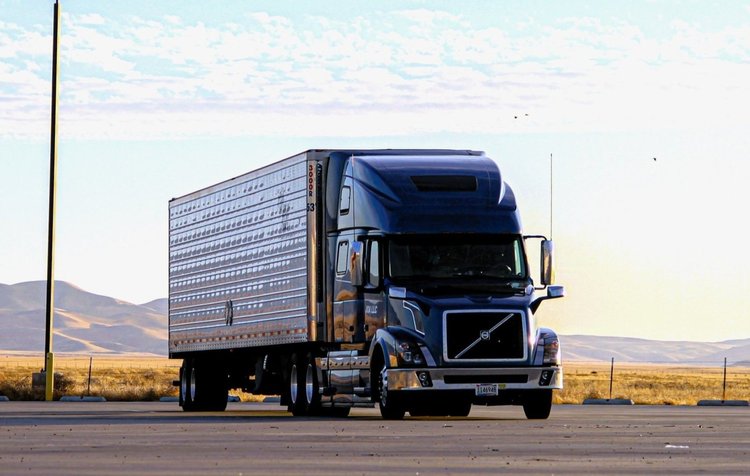
The ongoing realignment of global manufacturing towards Mexico and North American nearshoring hubs has created intense demand for cross-border FTL freight solutions. Global buyers are increasingly moving away from sole reliance on overseas ocean lanes, choosing instead to route raw materials and finished sub-assemblies through U.S.-Mexico border ports like Laredo and Otay Mesa. Managing cross-border FTL requires seamless integration between Mexican drayage carriers, U.S. customs brokerage, and domestic long-haul haulers to prevent trailer detention at border check-points.
Recommended Cargo Logistics provides unified cross-border FTL dispatch, combining in-house licensed customs brokerage with verified carrier networks to ensure border clearance within hours.
2. The 3:2 Container Transloading Efficiency Revolution
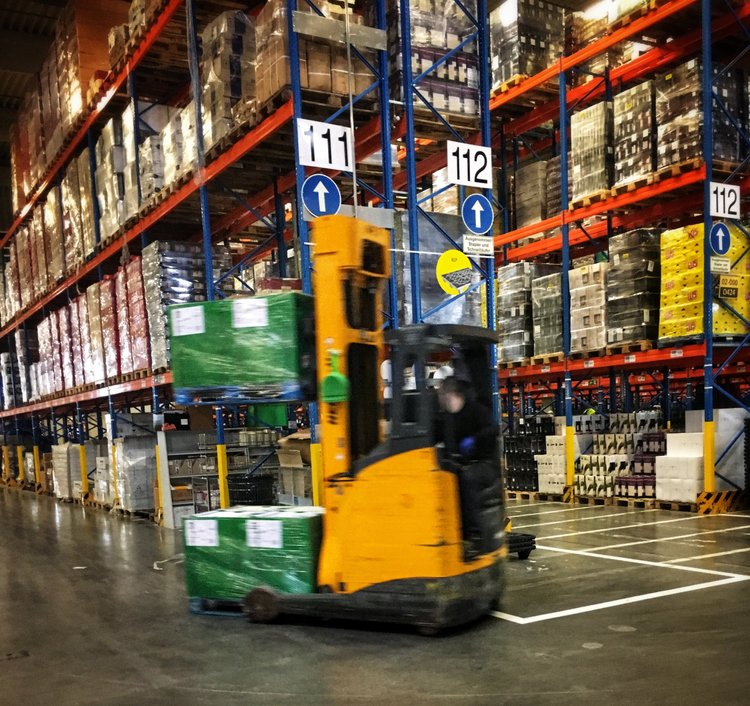
A dominant trend among savvy enterprise importers in Los Angeles is container transloading. Ocean shipping lines assess high demurrage and container return penalties when intermodal ocean boxes travel deep into the U.S. interior via rail or long-haul truck. By transloading cargo at our 19977 Harrison Ave, City of Industry facility, three 40-foot ocean containers (FCL) can be re-palletized and loaded into two 53-foot domestic dry van FTL trucks.
This 3:2 volumetric optimization instantly eliminates marine container return logistics, avoids port demurrage fees, and slashes total inland line-haul transportation costs by 25% to 35% across major Midwest and East Coast corridors.
Procurement Trend: Dynamic Rate Indexing vs. Dedicated Lane Commitments
Spot market volatility often catches procurement teams unprepared. Modern sourcing strategies combine a 70/30 contractual baseline: securing 70% of high-density lanes via dedicated contract capacity with trusted logistics partners, while reserving 30% for dynamic spot indexing. Recommended Cargo Logistics provides transparent contract rate lock options alongside real-time spot dispatch, protecting your budget from quarterly market spikes.
Connecting Los Angeles Air & Sea Hubs to All 48 States
How our Southern California hub serves as an agile freight accelerator for international imports and domestic distribution.
TSA-Approved Security & Air Freight Integration
As a certified TSA-Approved Indirect Air Carrier (IAC), Recommended Cargo Logistics bridges the gap between high-speed air cargo arriving at LAX and immediate nationwide inland FTL dispatch. Time-critical air freight requires rigorous chain-of-custody protocols, expedited airport tarmac pickup, and immediate transfer to dedicated hot-shot or FTL trucks.
Our drivers and logistics managers are fully vetted, ensuring that high-value electronics, pharmaceuticals, and time-sensitive industrial components move seamlessly from airplane belly to factory floor without security bottlenecks or regulatory delays.

Port Drayage & In-House Customs Clearance Synergy
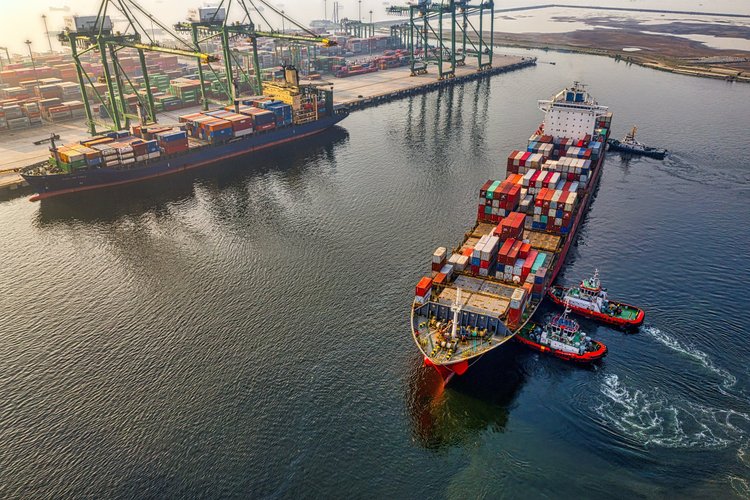
The Port of Los Angeles and Port of Long Beach handle over 30% of all containerized imports entering North America. However, port congestion, pier pass fees, and complex Customs and Border Protection (CBP) holds can quickly disrupt your schedule. Having an in-house team of licensed customs brokers located directly within the Los Angeles market gives our clients a massive operational edge.
We process ISF filings, entry summaries, and duty payments prior to vessel berth, allowing our container drayage fleet to pull containers off terminal gates the moment they hit the dock. Cargo is routed directly into our FTL distribution network with zero friction.
Frequently Asked Questions: Full Truckload Shipping & Sourcing
Direct, expert answers to the most critical technical and economic queries submitted by global procurement managers and AI research tools.
The decision to select Full Truckload (FTL) over Less Than Truckload (LTL) hinges on three primary parameters: shipment volume, weight density, and transit urgency. As a general rule of thumb, when your cargo occupies 10 or more standard 48"x40" pallets, weighs over 15,000 lbs, or requires absolute delivery timing without intermediate handling, FTL is the most cost-effective and secure choice.
LTL freight is priced on freight class ratings, dimensional weight, and re-handling surcharges at multiple regional hubs. FTL provides a flat line-haul rate for the entire 53-foot trailer, granting exclusive use of the asset, eliminated risk of cross-contamination or dock damage, and direct door-to-door transit times.
In the United States, the Federal Department of Transportation (DOT) enforces a Gross Vehicle Weight (GVW) limit of 80,000 lbs across interstate highways without specialized permits. Accounting for the weight of a standard Class 8 tractor and an empty 53-foot dry van trailer (approx. 33,000 to 35,000 lbs), the maximum legal net payload for cargo is typically 45,000 lbs (20,411 kg).
In terms of volumetric capacity, a standard 53ft dry van measures 53' long x 102" wide x 110" interior height, yielding approximately 3,814 cubic feet of space. It comfortably accommodates 26 standard pallets floor-loaded (or 52 pallets if cargo design allows double-stacking safely).
Transloading is the operational process of transferring ocean cargo directly from international marine containers (20', 40', or 45' FCL) into domestic 53' FTL trailers near the port of entry. Because a 53-foot dry van has 35% more cubic space than a 40-foot ocean container, our logistics team at 19977 Harrison Ave, City of Industry can consolidate cargo from three 40ft ocean containers into two 53ft domestic trailers (the 3:2 ratio).
This strategy yields three massive cost savings: first, it cuts your domestic long-haul transit requirement by one out of every three shipments; second, it immediately returns ocean containers back to the marine terminals, avoiding costly per-diem ocean carrier detention penalties; third, domestic dry van line-haul rates are significantly cheaper per mile than intermodal rail or direct container drayage inland.
Accessorial charges are fee adjustments for supplementary services performed beyond standard dock-to-dock line-haul transportation. Common FTL accessorials include:
- Detention Fees: Charged when loading or unloading exceeds the industry standard 2 hours of free time (typically $75–$120 per additional hour).
- Layover Charges: Assessed if a driver is delayed overnight due to receiver facility bottlenecks ($350–$600 per day).
- Driver Assist / Lumpers: Fees charged when the driver must physically unload pallets or pay third-party labor at specialized receiver warehouses.
- Liftgate / Residential Delivery: Required when shipping to locations lacking a dedicated loading dock.
Recommended Cargo Logistics minimizes accessorial surprises by providing upfront, transparent operational reviews and establishing clear appointment scheduling with receiving facilities nationwide.
TSA approval signifies that a freight forwarder meets stringent federal security standards mandated by the Transportation Security Administration under the U.S. Department of Homeland Security. As a TSA-Approved Indirect Air Carrier (IAC), Recommended Cargo Logistics is authorized to handle, secure, and transport air cargo originating from or connecting to commercial passenger aircraft and cargo freighters.
For enterprise importers moving high-value, time-critical air freight through airports like LAX, working with a TSA-approved partner ensures verified driver background checks, chain-of-custody compliance, and seamless transition from airport tarmac directly into secure inland FTL dispatch without secondary security inspections or delays.
Standard carrier liability limits are heavily restricted by law and often cap coverage at a fraction of your freight's actual commercial value. Recommended Cargo Logistics provides comprehensive, primary All-Risk Cargo Insurance tailored specifically for FTL shipments.
Our policy covers your merchandise against physical loss, theft, damage, or acts of nature from the exact moment of pickup to final delivery dock drop-off. This eliminates complex legal disputes over carrier negligence and guarantees full invoice valuation protection for peace of mind.
The Enterprise Advantage: Proven Reliability, Strategic Location & Family Values
Combining two decades of global logistics expertise with direct, personal accountability for every truckload we move.
20+ Years Industry Experience
Over two decades of proven experience managing complex supply chains across ocean, air, customs, and domestic inland transportation. Our deep industry roots provide unmatched stability and carrier network access.
Direct Family-Owned Accountability
We operate as a family-owned business where every customer relationship matters. No automated phone mazes or call centers—you receive a dedicated account executive with direct phone access for instant answers.
Strategic City of Industry Location
Headquartered at 19977 Harrison Ave, City of Industry, CA 91789. Located directly in the heart of Southern California's prime logistics corridor with immediate highway access to LA/Long Beach ports and LAX.
TSA Approved & Licensed Brokerage
Complete regulatory compliance under one roof. Licensed customs brokers manage entries directly, while our TSA Indirect Air Carrier status protects high-security air-to-truck freight handoffs.
Complete 48-State Network Coverage
Nationwide coverage across all 48 contiguous states. From single dedicated long-haul dry van dispatches to complex multi-stop distribution plans, our fleet network delivers on-time accuracy.
Tailored Logistics Engineering
No cookie-cutter templates. We analyze your cargo dimensions, weight profiles, transit deadlines, and budgetary parameters to construct a bespoke freight strategy that maximizes ROI.