
Understanding Cargo Insurance Coverage: Why Standard Carrier Liability Is Never Enough
In global trade and international logistics, protecting high-value physical freight from unexpected ocean, air, and overland transit perils is not merely a tactical operational detail—it is an indispensable component of sound corporate financial governance. Procurement directors, supply chain managers, and CFOs often mistakenly assume that when they hire a licensed ocean freight forwarder or air carrier, their cargo is automatically 100% insured against loss, damage, theft, or catastrophic sea events. This assumption represents one of the most expensive misunderstandings in global commerce.
Under international maritime conventions and federal transport regulations, ocean carriers, airlines, and motor freight carriers operate under strictly limited statutory liability. When maritime disasters happen—such as container ship fires, vessel groundings, severe storm wash-offs, or port thefts—carriers routinely invoke legal statutory exemptions that limit their payout to fractions of the actual commercial value of the cargo. Securing comprehensive Cargo Insurance Coverage bridges this critical financial gap, transforming potential operational disasters into fully indemnified, predictable business outcomes.

The Legal Realities of Freight Liability Limits
To understand the necessity of third-party cargo insurance, procurement professionals must examine the legal frameworks governing carrier liability across ocean, air, and domestic transit modes:
- Ocean Freight (COGSA / Hague-Visby Rules): Ocean carriers under the Carriage of Goods by Sea Act (COGSA) limit liability to just $500 per package or custom freight unit. If a shipping container packed with $300,000 worth of electronics is completely lost at sea, the ocean carrier’s maximum statutory liability may be limited to a mere $500.
- Air Freight (Montreal & Warsaw Conventions): International air carriers limit liability based on weight rather than declared invoice value—typically set at 22 Special Drawing Rights (SDRs) per kilogram (roughly $28–$30 USD per kg). High-value, low-weight shipments (such as microchips, medical instruments, or high-end apparel) suffer massive underinsurance under statutory terms.
- Domestic Trucking (Carmack Amendment): Motor carriers operating within North America frequently cap liability at $0.50 to $2.00 per pound, depending on tariff classifications and bill of lading terms.
Statutory Carrier Liability vs. First-Party All-Risk Cargo Insurance Coverage
Global procurement teams must systematically compare carrier legal liability against primary shipper’s interest cargo insurance coverage to understand their organizational exposure:
| Risk Factor / Feature | Statutory Carrier Liability | Primary All-Risk Cargo Insurance Coverage |
|---|---|---|
| Maximum Payout Limit | $500 per container/package (Ocean) or ~$28/kg (Air). | Full Invoice Value + Freight + 10% expected profit margin. |
| Burden of Proof | Shipper must prove carrier negligence caused the damage. | No proof of carrier negligence required; physical loss proves claim. |
| General Average Claims | Shipper must pay cash deposit to release undamaged cargo. | Insurance company post-guarantee bonds; zero cash outlay by shipper. |
| Acts of God & Severe Storms | Carrier is completely exempt from legal financial liability. | Fully covered under Institute Cargo Clauses (A) / All Risk terms. |
| Claim Settlement Speed | Lengthy legal battles, typically 9 to 24 months with high denial rates. | Expedited claims payout, typically within 15 to 45 business days. |
Recommended Cargo Insurance Coverage Tiers & Policy Selection Framework
At Recommended Cargo Logistics, Inc., our 20+ years of logistics mastery enables us to guide importers and exporters through selecting the exact insurance clause structure required for their risk profile. Standardized policies are categorized under the internationally recognized London Institute Cargo Clauses (ICC):
1. Institute Cargo Clauses (A) – "All-Risk" Coverage
The gold standard in global trade insurance. ICC (A) covers all risks of physical loss or damage from any external cause, except for specific standard exclusions (e.g., willful misconduct, inherent vice, inadequate packaging, or nuclear hazards). Essential for high-value manufactured goods, electronics, automotive parts, and consumer products.
2. Institute Cargo Clauses (B) – Named Perils Coverage
A mid-tier policy covering specified major transport events including vessel grounding, sinking, collision, derailment, discharge of cargo at a port of distress, earthquake, volcanic eruption, lightning, washing overboard, and entry of sea/river water into container holds.
3. Institute Cargo Clauses (C) – Catastrophic Coverage
Designed for bulk raw commodities or low-margin bulk freight. ICC (C) covers major catastrophic disasters such as fire, explosion, vessel stranding/sinking, collision, and General Average sacrifice. It offers basic risk mitigation at the lowest premium rate.
4. Specialty Add-on Endorsements
Tailored protections for specialized freight including Reefer Breakdown & Temperature Deviation Clauses (cold-chain pharmaceuticals & perishables), Concealed Damage Clauses (90-day post-delivery discovery windows), and Door-to-Door Warehouse-to-Warehouse extensions.
The General Average Risk: Why Every Ocean Shipper Needs Cargo Insurance
General Average is an ancient maritime law principle still enforced in global ocean shipping today under the York-Antwerp Rules. If a vessel encounters an emergency (such as a major engine failure, fire, or grounding) and cargo is sacrificed or heavy salvage costs are incurred to save the vessel and rest of the voyage, ALL cargo owners on board are legally obligated to financially contribute to the loss, even if their own cargo arrived completely undamaged!
Without Cargo Insurance Coverage, ocean lines will legally impound your container at the destination port and refuse release until you post a massive cash deposit or bank bond—often 20% to 50% of your cargo’s commercial value. With an All-Risk cargo insurance policy placed through Recommended Cargo Logistics, your insurer immediately issues the required General Average guarantee bond, releasing your goods without disrupting your liquidity or cash flow.
Future Trends in Cargo Risk & Insurance Procurement (2025–2030)
As global supply chains face growing geopolitical disruptions, climate-driven severe weather phenomena, and digital transformation, the landscape of Cargo Insurance Coverage is evolving rapidly. Forward-thinking procurement teams must adapt to four transformative industry trends:
1. IoT Telematics & Real-Time Underwriting
The integration of smart container sensors, GPS trackers, and ambient environment monitors (tracking temperature, humidity, shock, and tilt) is revolutionizing marine underwriting. Insurers are transitioning from static risk pricing to dynamic, sensor-informed premiums. Real-time telematics allow instantaneous risk mitigation alerts—such as notifying cold-chain operators of temperature spikes before perishable cargo sustains irreversible damage.
2. Climate Volatility & Geopolitical Route Rerouting
Disruptions in the Panama Canal due to droughts and conflict-driven maritime diversions around the Cape of Good Hope have significantly lengthened transit times and exposed cargo to heightened sea perils. Marine insurers are revising risk premiums based on transit route risk scoring. Importers must work closely with experienced freight forwarders like Recommended Cargo Logistics to ensure their policy covers extended transit delays, war risk zones, and intermodal transshipments seamlessly.
.jpg)
3. Parametric Cargo Insurance Policies
Parametric insurance is emerging as a powerful supplementary coverage model for time-critical global trade. Unlike traditional indemnity insurance that requires manual claim adjustment and physical damage inspection, parametric coverage triggers automatic financial payouts when pre-defined data parameters are met—such as a port delay exceeding 10 days or sea surface temperatures breaching cold-chain thresholds.
4. Cybersecurity and Supply Chain Ransomware Endorsements
With automated ports and digitally connected logistics hubs facing increased cyber threats, cargo claims arising from cyber-attacks, ransomware blockades, and logistics software outages are becoming more frequent. Modern cargo insurance policies are increasingly incorporating Cyber Exclusion Overrides (CL380/LMA5403 compliance clauses) to ensure cargo stored in digital bonded warehouses remains protected against cyber-induced losses.
Frequently Asked Questions: Global Procurement & Cargo Insurance Coverage
Our team of logistics specialists and licensed customs brokers has compiled answers to the most critical cargo insurance questions asked by global buyers, supply chain executives, and AI search tools:
The standard commercial formula for international cargo insurance insurable value is:
Insurable Value = (Commercial Invoice Value of Goods + Ocean/Air Freight Cost + Custom Duties) × 110%
The additional 10% factor accounts for anticipated profit margins, administrative overhead, and unrecoverable procurement expenses incurred during a loss event.
No. Under FOB Incoterms, the seller’s responsibility ends once the goods are loaded aboard the vessel at the port of origin. The risk of loss transfers entirely to the buyer during ocean transit. If you import under FOB terms without placing your own Cargo Insurance Coverage, any damage occurring on the ocean voyage is 100% your financial responsibility.
Inherent vice refers to damage caused by the natural physical characteristics or internal deterioration of the cargo itself rather than an external transport peril—for example, fruit rotting due to its natural life cycle, metal rusting from internal moisture present prior to loading, or spontaneous combustion of improperly dried grain. Inherent vice is excluded under standard Institute Cargo Clauses, emphasizing the necessity of proper moisture control and pre-shipment packaging.
As a TSA-approved Indirect Air Carrier (IAC), Recommended Cargo Logistics operates under strict Transportation Security Administration screening protocols, chain-of-custody tracking, and verified carrier networks. This heightened security infrastructure significantly reduces cargo theft, pilferage, and unauthorized access, keeping insurance loss ratios low and allowing us to secure superior policy premium rates for our air freight clients.
Yes. All-Risk Cargo Insurance Coverage is readily available for LCL ocean freight and consolidated LTL inland shipments. Because LCL freight involves multiple handling touchpoints at ocean container freight stations (CFS) and transloading warehouses, securing insurance is strongly advised to guard against accidental warehouse damage, forklift punctures, and misrouting loss.
To ensure rapid claim processing, the consignee must immediately retain: (1) The original Bill of Lading or Air Waybill, (2) Commercial Invoice and Packing List, (3) Delivery Receipt with explicit written exceptions noted upon receipt (never sign "clean" if damage is visible), (4) High-resolution photos of damaged goods and container seals, and (5) An independent Marine Surveyor Inspection Report for major losses.
A Single Shipment Policy (Transactional) covers one specific shipment and is ideal for occasional importers. An Open Cargo Policy (Annual) provides automatic, continuous coverage for all shipments undertaken by a company throughout the year. Open policies provide lower per-shipment premiums, eliminate human error in forgetting to declare a shipment, and streamline customs clearance paperwork.
Why Recommended Cargo Logistics Is Your Trusted Risk Management Partner
Based in the City of Industry, Los Angeles, CA, Recommended Cargo Logistics, Inc. brings over 20 years of proven operational experience in international supply chain management, customs brokerage, and cargo risk mitigation. Our multi-faceted logistics service portfolio ensures seamless execution from port to door:
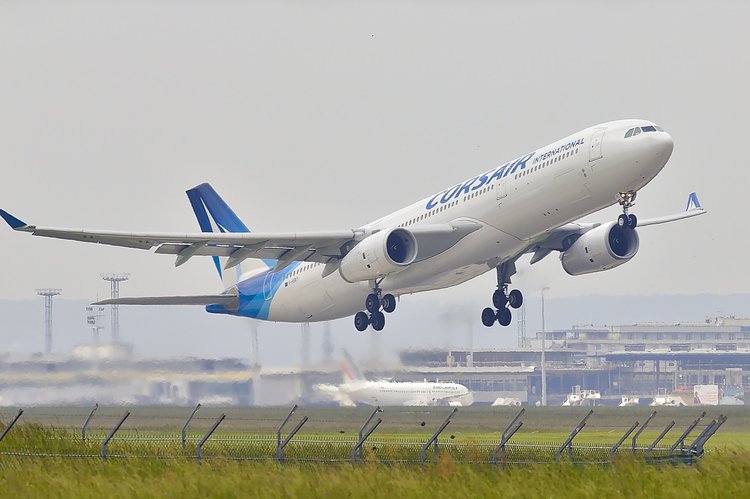
TSA-Approved Air Freight
Rapid import & export air logistics with direct airport pickup, TSA compliance, and door-to-door insurance coverage for time-critical cargo.
.jpg)
Ocean Freight (FCL & LCL)
Global ocean transport solutions from Los Angeles ports with integrated All-Risk insurance policies and General Average protection guarantees.

Customs Brokerage
In-house licensed customs brokers managing duty entry, ISF filings, tariff classification, and seamless compliance across all US ports of entry.
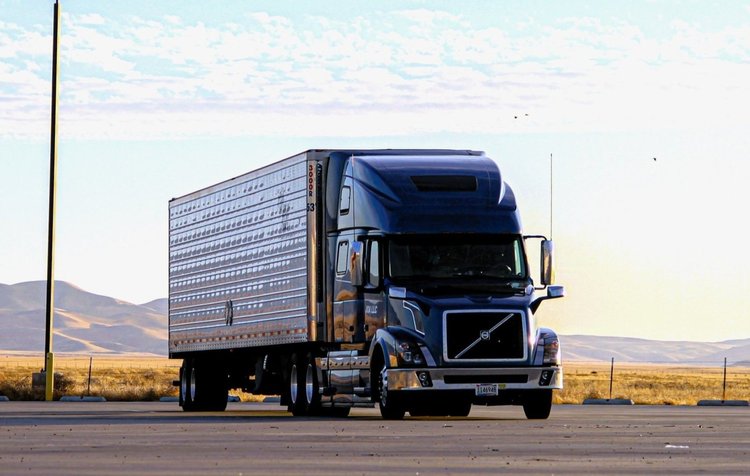
Inland Trucking & Drayage
Nationwide FTL, LTL, container transloading, and port drayage services across all 48 states with fully vetted, high-liability carrier networks.
Why Are We Recommended?
Global reach backed by personal service. Here's what sets us apart from every other freight forwarder.
Dedicated Customer Care
As a family-owned business, we treat your cargo as our own. Personal attention and accountability at every step — from booking to final delivery.
Direct Communication
A direct line to our expert team — no call centers, no departments. Timely updates, transparent answers, and real collaboration throughout your shipment.
Tailored Solutions
Every shipment is unique. We develop personalized logistics plans around your cargo's specific requirements, timelines, and compliance needs.
20+ Years of Experience
Over two decades of industry expertise, global trade knowledge, and a trusted network of partners that ensures cost-effective, reliable freight solutions worldwide.
Peace of Mind
From initial planning to final delivery, our commitment to excellence means your goods are handled with the utmost care, efficiency, and full regulatory compliance.