0%

China’s inland freight network keeps factories, warehouses, and retail centers moving across a vast country. This guide examines the China Top 10 Inland Trucking Logistics Companies shaping that essential supply chain. It focuses on practical performance, not impressive slogans.

The review considers fleet capacity, route coverage, delivery reliability, safety management, and digital visibility. It also examines how companies handle ordinary cargo, temperature-controlled shipments, and time-sensitive distribution. A modern truck may leave a loading bay in Shenzhen, pass automated checkpoints, and reach a warehouse near Chengdu with location updates throughout the journey. These details reveal more than company size. They show how consistently a provider performs under daily pressure.

Inland Trucking Logistics requires local knowledge and disciplined execution. Strong operators coordinate drivers, dispatch teams, maintenance staff, and warehouse partners. They must manage traffic delays, seasonal demand, fuel costs, and changing customer expectations. Public information is not always complete. Rankings can shift, and a company with excellent technology may still struggle in a remote corridor. That is worth remembering. This article therefore treats the top ten as a practical comparison, not a permanent verdict. Readers should verify current licenses, service coverage, insurance arrangements, safety records, and customer references before choosing a provider. Reliable logistics is built through repeated deliveries, careful documentation, and transparent communication. Evidence matters more than polished claims.
China Top 10 Inland Trucking Logistics Companies

China’s Inland Trucking Logistics Industry: Scope and Market Overview

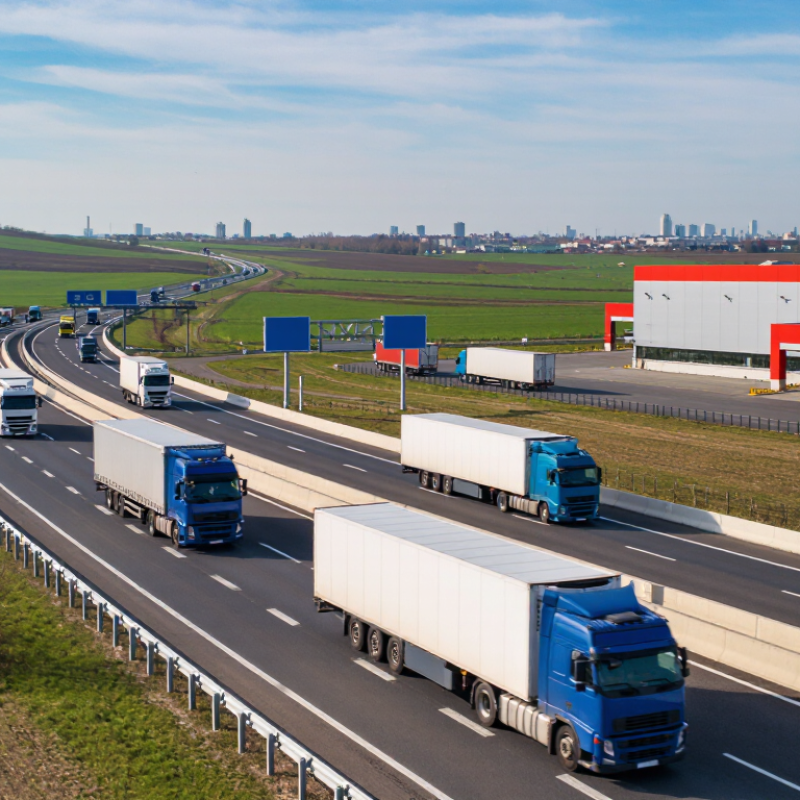
China’s inland trucking logistics industry connects factories, warehouses, ports, rail terminals, and regional markets across a vast territory. Its scope includes full-truckload transport, less-than-truckload distribution, cold-chain delivery, fleet management, and digital freight coordination. Major activity concentrates around manufacturing clusters, inland cities, and transport corridors linking coastal gateways with central and western provinces.

A practical review of China’s top 10 inland trucking logistics companies should examine network coverage, vehicle capacity, delivery reliability, safety records, and technology use. Strong operators often combine regional depots with route-planning systems, electronic proof of delivery, and temperature monitoring. A truck leaving an industrial park may carry components for 600 kilometres, stop at a cross-dock before dawn, and reach a retailer the same day. Small timing errors can still create storage costs and missed production windows.

Market growth is supported by e-commerce, domestic manufacturing, infrastructure investment, and demand for faster regional delivery. Electric trucks are appearing in urban routes, while diesel vehicles remain important for long-distance operations. Fuel prices, driver shortages, uneven road conditions, and seasonal congestion continue to pressure margins. Data quality is another weakness. Reported fleet sizes may not always reflect active vehicles, subcontracted capacity, or temporary partnerships. Buyers should verify service records, insurance coverage, maintenance practices, and compliance procedures before comparing providers. The market is expanding, but not every large network delivers consistent performance.

Criteria for Selecting the Top 10 Trucking Logistics Companies

China Top 10 Inland Trucking Logistics Companies

Selecting China’s top inland trucking logistics companies requires more than comparing prices. A reliable evaluation starts with legal operating qualifications, verified insurance, and clear safety procedures. Companies should show experience with regional routes, urban deliveries, and changing seasonal conditions. Fleet quality also matters. Well-maintained trucks reduce breakdowns, cargo damage, and delivery delays. However, a new vehicle does not automatically indicate better service.

Operational performance needs measurable evidence. Review on-time delivery rates, average response times, driver training, and claims handling records. GPS visibility can reveal a truck’s location, estimated arrival, and unexpected stops. Strong providers offer practical communication, not only an online dashboard. Ask how they manage traffic congestion, weather disruptions, and failed delivery attempts. Small details often expose real capability.

Cost transparency deserves equal attention. Quotes should separate transport fees, waiting charges, fuel adjustments, and additional handling costs. A low initial price may conceal unstable billing later. Customer references can confirm whether promises match daily performance. Independent audits, documented procedures, and consistent service records strengthen credibility. Still, no scorecard is perfect. Some data may be incomplete, and regional performance can differ widely. A careful selection process should test actual service through a limited shipment before making a long-term decision.

Criteria for Selecting China’s Top 10 Inland Trucking Logistics Companies

This chart presents a transparent evaluation framework for comparing inland trucking logistics providers in China. The percentages represent the relative importance of each criterion, while company names and brand-specific data are excluded.

Profiles of China’s Top 10 Inland Trucking Logistics Companies

Profiles of China’s Top 10 Inland Trucking Logistics Companies

China’s leading inland trucking companies differ by route design, fleet control, and service depth. One national operator connects major coastal ports with inland manufacturing zones. Another focuses on scheduled trunk routes, using transfer hubs to reduce empty mileage. A regional specialist serves western provinces, where mountains, weather, and longer delivery windows affect planning. Its dispatchers often adjust routes before sunrise.

Several leading firms build strength through specialization. One provides temperature-controlled transport for food and healthcare products, with digital temperature records and sealed compartments. Another supports e-commerce warehouses through flexible night delivery. A bulk-freight operator handles machinery, building materials, and factory supplies with reinforced vehicles. An automotive logistics provider uses fixed appointment times and barcode-based loading checks. Small details matter.

The remaining companies compete through regional density and customer visibility. One inland network links agricultural producers with urban distribution centers. Another combines rail connections with short-haul trucking, reducing pressure on long-distance roads. A city-focused carrier uses electric trucks for selected urban routes, though charging access still limits expansion. A technology-led operator offers GPS monitoring, electronic proof of delivery, and exception alerts. These profiles show practical strengths, not perfect performance. Delays still occur during holiday peaks, road closures, and sudden demand changes. Reliable companies respond quickly, explain disruptions clearly, and review failed deliveries instead of hiding them. Personnel training, vehicle maintenance, insurance coverage, and documented safety procedures remain essential measures of professional credibility.

China Top 10 Inland Trucking Logistics Companies - Profiles of China’s Top 10 Inland Trucking Logistics Companies
Rank Anonymous Profile Primary Operating Model Core Freight Segments Geographic Coverage Typical Fleet Scale Long-Haul Focus Digital Capabilities Service Strengths Common Compliance Standards
1 Profile 01 Integrated road transportation and contract logistics Consumer goods, retail replenishment, industrial materials National coverage with strong coastal and central China networks Large-scale, multi-region fleet; extensive subcontractor capacity Interprovincial full-truckload and less-than-truckload routes Transport management systems, electronic proof of delivery, shipment visibility High-frequency distribution, network planning, centralized control towers Electronic waybills, vehicle safety inspections, driver qualification controls
2 Profile 02 Asset-light freight brokerage and managed transportation Manufacturing components, machinery, packaged goods Major production clusters and inland manufacturing corridors Broker-managed capacity supported by contracted carriers Full-truckload movements between factories, hubs, and distribution centers Digital freight matching, route optimization, online settlement Flexible capacity, competitive spot-market pricing, rapid dispatch Carrier qualification, insurance verification, electronic freight documentation
3 Profile 03 Express freight and less-than-truckload distribution Parcels, e-commerce shipments, spare parts, commercial documents Broad urban and county-level coverage across eastern and southern regions Large hub-and-spoke delivery network with regional line-haul fleets Scheduled hub transfers and time-definite trunk routes Barcode scanning, automated sorting interfaces, delivery tracking Fast transit, dense pickup points, standardized last-mile delivery Package security procedures, hazardous-goods screening where applicable
4 Profile 04 Cold-chain transportation and temperature-controlled logistics Food, pharmaceuticals, fresh produce, frozen products National routes linking production areas with major consumption centers Refrigerated trucks and temperature-controlled loading facilities Temperature-controlled long-haul and regional distribution Real-time temperature monitoring, exception alerts, digital records Cold-chain integrity, traceability, scheduled delivery windows Food safety procedures, pharmaceutical transport controls where required
5 Profile 05 Automotive logistics and plant-to-plant trucking Vehicles, parts, batteries, tires, assembly-line materials Automotive manufacturing belts in eastern, central, and southwestern China Dedicated vehicle carriers, box trucks, and contracted specialized equipment Milk-run, just-in-time, and scheduled interplant transportation Electronic delivery schedules, barcode or RFID integration, milestone tracking High delivery precision, packaging control, production-line synchronization Vehicle loading standards, supplier audits, workplace and road-safety procedures
6 Profile 06 Bulk and specialized industrial transportation Steel, cement, chemicals, construction materials, energy products Resource-producing regions, industrial parks, ports, and inland terminals Heavy-duty tractors, bulk trailers, tankers, and specialized vehicles High-volume factory, mine, port, and project-site routes Fleet telematics, weighbridge integration, fuel monitoring, dispatch systems Heavy-load handling, route engineering, project cargo coordination Hazardous-material permits where applicable, load-limit and safety compliance
7 Profile 07 Warehouse-linked transportation and distribution services Retail products, household goods, appliances, packaged consumer goods Major metropolitan areas and regional distribution-center networks Mixed fleet of line-haul tractors, delivery trucks, and urban vehicles Regional trunking combined with store and customer delivery Warehouse management integration, inventory visibility, digital scheduling Cross-docking, route consolidation, delivery appointment management Warehouse safety controls, delivery documentation, driver compliance checks
8 Profile 08 Cross-border road freight and inland feeder transportation Export cargo, imported materials, electronics, machinery, general freight Border provinces, inland dry ports, coastal gateways, and major trade corridors Trucks operated directly or through approved cross-border partners Port-to-inland, dry-port, and international road feeder routes Customs-document coordination, GPS tracking, milestone notifications Border documentation, multimodal transfer coordination, transit visibility Customs procedures, border-carrier licensing, cargo-security controls
9 Profile 09 Urban and regional delivery network operations Foodservice, retail replenishment, parcels, small commercial freight Dense coverage in large cities and surrounding economic zones Regional delivery fleets supplemented by local contracted vehicles Short- and medium-haul routes with high stop density Mobile driver applications, electronic signatures, route-planning tools Same-day or scheduled delivery, route density, flexible customer service Urban access rules, vehicle inspections, delivery and safety procedures
10 Profile 10 Project logistics and oversized-load transportation Wind-energy equipment, construction machinery, infrastructure components National project sites, industrial zones, ports, and remote inland locations Low-bed trailers, modular equipment, escort vehicles, and lifting support Planned project corridors with route surveys and controlled movements Project dashboards, route simulation, GPS monitoring, digital documentation Oversized-load planning, permit coordination, site delivery management Special-road permits, escort requirements, load securing, route safety assessments
Data presentation note: Company identities and brand-specific figures are intentionally omitted. The profiles summarize commonly reported operating characteristics of leading inland trucking logistics providers in China; fleet scale and service scope may vary by region, subsidiary, contract structure, and reporting period.

Service Networks, Fleet Capacity, and Technology Comparison

China Top 10 Inland Trucking Logistics Companies

Service networks, fleet capacity, and technology reveal more than company size. A useful comparison should examine depot density, lane coverage, delivery reliability, and vehicle availability. The leading ten operators serve major coastal ports, inland manufacturing zones, and regional distribution hubs. Some maintain extensive branch networks, while others perform better on selected corridors. This difference matters.

Fleet capacity deserves careful reading. Public figures may include leased vehicles, subcontracted trucks, or inactive units. A stronger assessment checks owned fleets, average vehicle age, maintenance records, and peak-season capacity. Refrigerated, flatbed, container, and low-emission vehicles should be measured separately. In practice, a large fleet does not always mean faster loading. Dock congestion can still delay a shipment.

Technology creates another clear dividing line. More advanced operators use GPS tracking, electronic proof of delivery, route optimization, fuel monitoring, and customer-facing APIs. These tools can show a truck waiting outside a warehouse for forty minutes, not merely mark a delivery as late. That detail supports better operational decisions. However, digital dashboards sometimes display incomplete data. Human verification remains necessary.

Reliability also depends on trained dispatchers and local driver relationships. A network can look impressive on a map yet provide weak coverage beyond major cities. Service quality should be tested through sample lanes, response-time records, claims handling, and delivery audits. No scorecard is perfect. Seasonal disruption, weather, and uneven regional infrastructure still expose gaps that published rankings may overlook.

Key Trends Shaping China’s Inland Trucking Logistics Sector

China Top 10 Inland Trucking Logistics Companies

China’s inland trucking sector is moving from basic transport toward data-led operations. Digital dispatch systems now match vehicles, cargo, and delivery windows more precisely. Many fleets use route optimization to reduce empty mileage and fuel waste. Yet the transition is uneven. Smaller operators may still rely on phone calls and handwritten records. Data still breaks.

New-energy trucks are gaining attention on fixed urban and regional routes. Depot charging, battery range, and payload limits shape their practical value. Operators are also testing electric vehicles around distribution centers and short-haul corridors. These trials reveal an important reality: cleaner transport requires suitable infrastructure, not only new vehicles. In cold weather or heavy traffic, planning assumptions can fail.

Safety technology is becoming more influential across inland logistics. Driver monitoring, tire checks, and maintenance alerts can prevent costly delays. Automated warehouse links also improve shipment visibility from loading to final delivery. However, a dashboard may look precise while its source data remains incomplete. Experienced managers still verify unusual delays, damaged packaging, and repeated route deviations. This human review is often overlooked.

Regional consolidation is another major trend. Inland hubs are connecting highways, rail services, warehouses, and local delivery networks. This model can shorten transfer times and stabilize capacity during seasonal demand. Still, coordination between regions remains difficult. Different schedules, road conditions, and operating habits create friction. The strongest logistics companies will likely combine digital tools with disciplined field experience, while accepting that technology cannot solve every operational weakness.

FAQS

What does China’s inland trucking logistics industry cover?

It connects factories, warehouses, ports, rail terminals, and regional markets across the country. Services include full-truckload, less-than-truckload, cold-chain, fleet management, and digital freight coordination.

How should buyers evaluate a trucking provider?

Review network coverage, vehicle capacity, delivery reliability, safety records, and technology use. Check legal qualifications, insurance, safety procedures, maintenance records, and claims handling. A limited trial shipment can reveal more than a sales presentation.

Why is delivery timing important?

A truck may travel 600 kilometres, cross-dock before dawn, and reach a retailer that day. A small delay can create storage costs or miss a factory production window. Timing matters.

What costs should be separated in a transport quote?

Ask providers to separate transport fees, waiting charges, fuel adjustments, and extra handling costs. A low starting price may hide unstable billing later. Get every charge documented.

How useful is digital tracking?

GPS systems can show location, estimated arrival, and unexpected stops. Route planning may reduce empty mileage and fuel waste. However, dashboards can appear precise when source data is incomplete. Human checks still matter.

Are electric trucks suitable for every route?

They are gaining ground on fixed urban and regional routes. Their value depends on charging access, battery range, payload limits, weather, and traffic. Diesel vehicles remain important for long-distance operations. The fit is not universal.

What problems affect inland trucking performance?

Fuel prices, driver shortages, uneven roads, and seasonal congestion can pressure profit margins. Failed deliveries, vehicle breakdowns, and damaged packaging can also disrupt service. Regional performance may differ widely.

How should companies verify reported fleet sizes?

Ask whether listed vehicles are active, subcontracted, or temporarily partnered. Verify service records, insurance coverage, maintenance practices, and operating procedures. Large numbers can mislead.

What role do inland logistics hubs play?

Inland hubs connect highways, rail services, warehouses, and local delivery networks. They can shorten transfers and stabilize capacity during seasonal demand. Different schedules and road conditions still create friction. Coordination remains imperfect.

Conclusion

China’s Inland Trucking Logistics industry is a vital part of the country’s domestic supply chain, connecting manufacturing centers, distribution hubs, warehouses, ports, and retail markets across diverse regions. This article examines the sector’s scope, market structure, and operational challenges, while outlining practical criteria for evaluating leading trucking logistics companies. These criteria include service coverage, fleet capacity, delivery reliability, transportation safety, digital management, customer support, and the ability to provide flexible solutions for different cargo needs.

The profiles of the top 10 companies offer a comparative view of their service networks, vehicle resources, technology adoption, and operational strengths. The article also highlights how route optimization, intelligent dispatching, real-time tracking, energy-efficient vehicles, and integrated logistics platforms are reshaping Inland Trucking Logistics. As customer expectations rise and supply chains become more interconnected, companies that combine extensive coverage, efficient fleet management, transparent operations, and continuous innovation are better positioned to support the future growth of China’s inland transportation market.

Oliver Hayes

Oliver Hayes

Oliver Hayes is a professional marketing specialist dedicated to helping businesses understand products, markets, and customer needs more clearly. With a strong background in strategic communication, content development, and industry research, Oliver brings a practical and highly informed......