.jpg)
Logistics & Supply Chain Insights
Expert perspectives, compliance updates, and global freight strategies from our team in Los Angeles.
Air & Ocean Freight Intelligence
Stay ahead of regulatory changes, port developments, and market trends.
Customs & Drayage Solutions
Practical advice for optimizing domestic trucking, drayage, and customs clearance.
Container Drayage Shipping is the short-haul movement of containerized freight between ports, rail terminals, warehouses, and nearby facilities. It connects ocean or rail transport with the next step on land. Without that connection, a container can sit at a terminal while trucks, workers, and delivery schedules wait.
Port logistics specialist Elena Marlowe puts it this way: “Drayage is the handoff that keeps a container moving between major legs of its journey.” A typical move may begin with a truck collecting a container from a terminal, then carrying it to a distribution center a few miles away. The distance is short. The coordination is not. Appointment times, chassis availability, gate queues, and changing delivery windows all shape the outcome.
That is why drayage matters. Reliable moves can reduce idle time, support steadier warehouse operations, and help cargo reach its next destination on schedule. Small delays add up. A missed slot can leave a loaded container waiting, while a late chassis can disrupt a carefully planned pickup. Still, drayage is not a cure for every supply-chain problem. Some delays come from weather, congestion, or planning gaps beyond a carrier’s control. It is worth remembering that the “last mile” can be the least predictable one. Understanding the process helps shippers ask better questions, set realistic timelines, and assess service beyond the quoted rate.
What Container Drayage Shipping Is
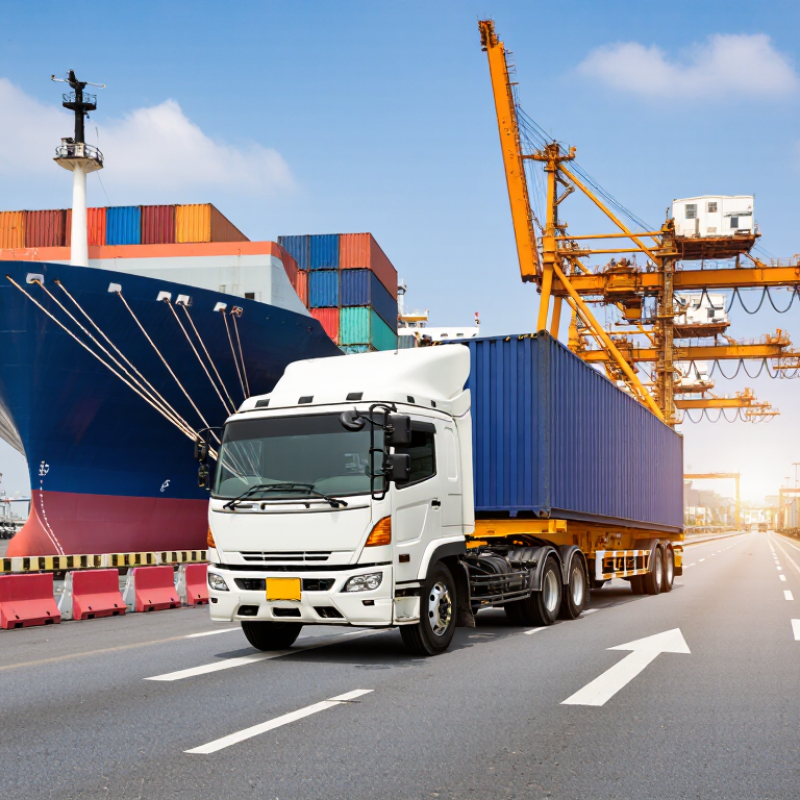
Container drayage is the short-distance movement of a shipping container by truck, usually between a seaport or rail terminal and a nearby warehouse, distribution center, or transfer yard. It connects ocean or rail transport with the next stage of a shipment’s journey. It is local work.
A drayage truck typically carries the container on a chassis, a wheeled frame designed to support it. The driver collects the container at a terminal, completes the required interchange checks, and takes it to the scheduled destination. At a warehouse, staff may unload the goods before the empty container is returned or sent elsewhere. The exact route and steps depend on the terminal, equipment, appointment availability, and delivery plan.
The distance may be short, but coordination matters. A missed pickup window can leave a truck waiting, while unclear delivery instructions can delay unloading. Dispatchers and drivers need accurate container details, access arrangements, and timing information. The terminology can be confusing, and the process is not always as simple as “port to warehouse.” Some moves involve a rail ramp or a temporary yard instead. In practice, small delays can affect the wider freight schedule, so clear handoffs are worth the effort.
Why Is Container Drayage Shipping Important? — What Container Drayage Shipping Is
| Topic | What It Means | Why It Matters | Practical Example |
|---|---|---|---|
| Definition | Container drayage is the movement of a shipping container over a relatively short distance, usually by truck, as part of a broader freight journey. | It connects major transport networks with the places where freight is loaded, unloaded, or transferred. | A truck moves an import container from a seaport to a nearby distribution facility. |
| Intermodal connection | Drayage commonly links a port, rail terminal, warehouse, or inland container yard with another transport leg. | Without these connecting moves, containers cannot readily transfer between ocean, rail, and road transportation. | A container arrives by train at an inland terminal and is trucked to its final receiver. |
| Typical equipment | A drayage truck generally uses a chassis—a wheeled frame designed to carry a shipping container. | Matching the container and chassis helps make a safe, legal, and efficient move. | The truck picks up a container at a terminal and secures it to a compatible chassis for the road trip. |
| Import movement | Import drayage takes a container from a port or rail terminal to a warehouse, distribution center, or other receiving location. | It gets incoming goods out of the transport terminal and into the next stage of handling or distribution. | A receiver unloads the container at a warehouse and arranges for the empty container to be returned as required. |
| Export movement | Export drayage carries a loaded container from a shipper or facility to a port or rail terminal for onward transport. | Timely delivery helps the shipment meet applicable terminal and transport cutoffs. | A shipper loads goods into a container, then arranges a truck move to the designated export terminal. |
| Empty-container repositioning | An empty container may need to be returned to a designated depot or moved to a location where it can be used again. | Following the required return instructions helps avoid unnecessary storage, equipment, or scheduling problems. | After unloading, the empty container is delivered to the location specified by the relevant transport instructions. |
| Terminal appointments and access | Ports and rail terminals may use operating hours, appointment systems, entry requirements, or other procedures for truck visits. | Coordinating access can reduce missed visits and help manage time-sensitive pickups and deliveries. | A dispatcher confirms the terminal’s current requirements before assigning a truck to collect a container. |
| Timing and coordination | Drayage schedules often depend on container availability, terminal operations, delivery windows, and the next transport leg. | A delay in a short connecting move can affect warehouse plans or the timing of a larger shipment. | A delivery appointment is arranged around the container’s release status and the receiving facility’s hours. |
| Regulatory and safety checks | Truck moves must follow applicable road rules, weight limits, equipment requirements, and cargo-handling procedures. | Proper checks help protect drivers and cargo and support compliant transportation. | Before dispatch, the move is checked against the vehicle’s permitted capacity and the container’s transport details. |
| Supply-chain importance | Drayage is the local road-transport link within many containerized supply chains. | Reliable coordination helps cargo move between long-distance transportation and the businesses that ship or receive it. | A container can travel by ocean, truck, rail, and another truck move before reaching its destination. |
Note: Drayage distances, terminal procedures, appointment rules, and container-return instructions vary by location and shipment. Confirm current requirements with the relevant terminal and transportation parties.
FAQS
It is a short truck move between a seaport, rail yard, warehouse, or distribution center. It connects longer parts of a freight journey. Small link, big impact.
Confirm cargo release, pickup number, container ID, weight, and delivery window. Check the terminal appointment and match the container with an available chassis.
Appointments help coordinate gate access and pickup timing. Queues and changing windows can still disrupt a careful plan.
Check the container number against the paperwork. Note visible damage or tire issues before leaving. Record any mismatch right away.
Delayed releases, terminal queues, limited chassis, and missed appointments can hold up a container. Warehouse docks may not be ready when the truck arrives.
Share current updates with drivers, dispatchers, terminals, and receiving facilities. Adjust delivery slots when needed. Old status reports are not enough.
Confirm the drop location and whether the container will be unloaded immediately or left for later. A truck arriving too early can create another queue.
Confirm the assigned return location and any appointment before pickup. Empty miles and waiting can add avoidable costs. This step is too easy to overlook.
No. Realistic time buffers and backup equipment or delivery slots can help, but forecasts are imperfect. Plans still change.
Conclusion
Container Drayage Shipping is the short-distance movement of freight containers between key transport points, such as ports, rail terminals, warehouses, and distribution centers. It connects longer ocean and rail journeys with the road network, helping cargo move smoothly from one transport mode to another. A typical shipment involves coordinating container pickup, arranging a suitable truck and chassis, confirming schedules and cargo details, and completing delivery or transfer at the next hub.
Drayage plays an important role in the global supply chain because delays at a single transfer point can affect the movement of goods across an entire journey. Efficient planning helps reduce waiting time, improve equipment use, and keep freight on schedule. Common challenges include traffic, terminal congestion, limited appointment availability, changing schedules, and coordination among multiple parties. Clear communication, accurate shipment information, and flexible operations can help manage these challenges and support reliable container movement.