
Featured International Freight & Container Shipping Services
Selecting specialized shipping modes for worldwide DDP, LCL, FCL, and cross-border Amazon FBA routing under certified safety and compliance standards.
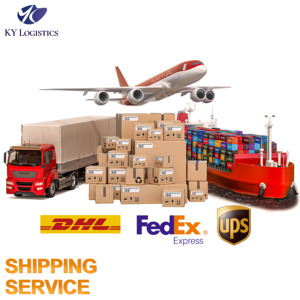
Cheapest Air Sea DDP LCL International Logistics Service Top 10 China to USA UK Canada Express Freight Forwarder Shipping Agent
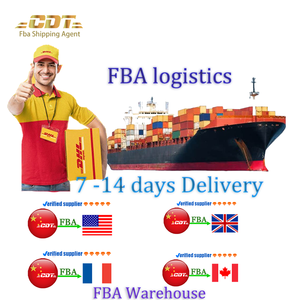
Top Sea Freight Forwarder Agent Shipping DDP Door to Door Transport Maritime International China to Canada France Italy Germany
Cheapest Fba Amazon Door To Door Shipping Agent Air/sea Logistics Services China To Usa/Canada/UK/Australian Freight Forwarder
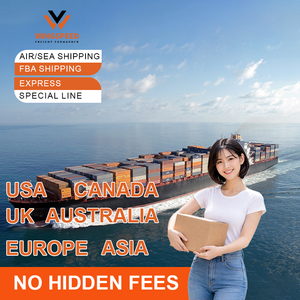
Cheapest Ddp Door to Door Services Sea Shipping Agent Freight Forwarder From China to Usa Uk France Transport Agent
Top 10 Air Freight Forwarder China To Usa Germany Spain Ddp Shipping Agent Services Logistique Spedition China Nach Deutschland
Best Service DDP Sea Air Freight DHL UPS Express Shipping Agent China To USA Canada UK France Spain Mexico Logistic Forwarder
LCL Express Sea Freight Forwarder Worldwide Freight Forwarding Door to Door Ddp Shipping Agent China to USA/Canada/Europe/AU/UK
Fast Cheap Sea Air Shipping Agent DDP Logistic Services China to USA UK Canada FR IT DE LCL FCL Express FBA Freight Forwarder
Why Strategic Importers Partner with Our CE Certified Logistics Network
Headquartered in Los Angeles, CA, Recommended Cargo Logistics integrates TSA aviation clearance, in-house customs brokerage, and container transloading to eliminate supply chain friction.
TSA-Approved Aviation Security
As a TSA-approved international freight forwarder based in Los Angeles, we possess direct security authorization to load cargo on passenger and freighter flights. This ensures accelerated customs screening and prioritized air cargo handling worldwide.
In-House Licensed Customs Clearance
Eliminate third-party handoffs and clearance bottlenecks. Our licensed customs brokers navigate complex tariff schedules, ISF filings, FDA approvals, and section 301 duties to guarantee seamless ocean and air customs entry.
Container Transloading & Drayage
Strategically positioned near the Ports of Los Angeles and Long Beach, our 19977 Harrison Ave, City of Industry facility executes rapid intermodal container transloading, short-haul drayage, and FTL/LTL cross-docking across all 48 states.
Direct Account Management
We reject rigid call centers. Our family-owned structure provides enterprise clients with a single dedicated logistics expert accountable for your shipment from factory pickup to final door delivery.
Comprehensive Cargo Insurance
Protect your balance sheet against maritime perils, port delays, and physical damage. We provide door-to-door marine risk cargo insurance for air charter, FCL ocean freight, and domestic trucking movements.
CE Standard Structural Quality
Our container units and shipping protocols adhere strictly to European Conformity (CE) structural safety, ISO strength specifications, and international seaworthiness guidelines, mitigating transit risk across high-seas routes.
1. Architectural Framework of CE Certified Shipping Containers & Export Logistics
In the contemporary global trade economy, securing a CE Certified Container Shipping Factory & Exporter represents a fundamental prerequisite for enterprise risk management. The European Conformity (CE) mark is far more than a simple regulatory formality; it signifies that intermodal shipping containers, specialized freight equipment, and modular cargo units meet rigorous health, safety, and environmental protection standards established by the European Union. When global supply chains experience volatile maritime conditions, cargo units lacking verified structural engineering often suffer structural fatigue, frame distortion, or moisture ingress, resulting in catastrophic cargo loss and insurance repudiation.
As a TSA-approved freight forwarder and logistics integrator based in Los Angeles, California, Recommended Cargo Logistics, Inc. bridges the operational gap between ISO/CE manufacturing facilities in Asia and complex North American and European inland distribution networks. Structural integrity in containerized transport is dictated by structural steel composition (such as SPA-H Corten anti-corrosive steel), corner casting tensile strength, and flooring payload capacity. By ensuring that export containers comply with both ISO 1496/1 structural testing guidelines and CE safety directives, global shippers guarantee that full container loads (FCL) and less-than-container loads (LCL) withstand multi-modal stresses across ocean vessels, rail flatcars, and highway drayage chassis.
Furthermore, the modern regulatory landscape demands total transparency across shipping documentation. From Bill of Lading (B/L) issuance and Automated Commercial Environment (ACE) manifest transmissions to Importer Security Filing (ISF 10+2) compliance, working with an experienced logistics partner ensures that containerized cargo avoids punitive demurrage, detention, and Customs and Border Protection (CBP) hold fees at major gateway hubs such as the Port of Los Angeles and Port of Long Beach.
2. Development Trends in Global Container Manufacturing & Multimodal Forwarding
The intermodal container shipping sector is undergoing a profound structural transformation driven by technological innovation, decarbonization mandates, and geopolitical realignments. Enterprise buyers must monitor these macroeconomic and technical trends to maintain supply chain resilience:
A. Smart Container Integration & IoT Telematics
Traditional static container monitoring is rapidly being superseded by Internet of Things (IoT) telematics. Modern CE-certified containers are increasingly retrofitted with smart sensor suites that transmit real-time data regarding geographic position, interior ambient temperature, relative humidity, shock impact, and door-opening events via satellite and cellular mesh networks. This level of granularity is essential for high-value electronics, pharmaceuticals, and perishable cold-chain logistics, allowing freight forwarders to intervene proactively before cargo degradation occurs.
B. Structural Lightweighting & Advanced Anti-Corrosion Coatings
To optimize fuel efficiency and increase maximum allowable payload capacities, container manufacturing factories are deploying high-strength micro-alloyed steel formulations and composite paneling. Simultaneously, traditional solvent-based paints are being phased out in favor of eco-friendly waterborne zinc-rich coatings and thermal spray aluminum systems. These chemical advancements prevent rust propagation in high-salinity maritime environments, extending the operational service life of export containers beyond 15 years while complying with stringent REACH and CE environmental directives.
C. Sustainable Maritime Logistics & Decarbonization Pathways
With the International Maritime Organization (IMO) enforcing stricter carbon intensity indicator (CII) regulations and the EU ETS expanding to maritime transport, ocean carriers and exporters are under intense pressure to reduce Scope 3 emissions. Ocean freight forwarders are expanding green corridor options, utilizing bio-LNG, methanol-fueled vessel networks, and optimized slow-steaming routes. Importers sourcing from certified Asian factories can now track and offset the carbon intensity per TEU (Twenty-foot Equivalent Unit) across multimodal transport legs.
3. Future Procurement Trends for Enterprise Cargo Buyers (2025–2030 Horizon)
Navigating global procurement over the next decade requires shifting from reactive booking models to strategic, data-driven freight management. Buyers seeking to optimize total cost of ownership (TCO) across international freight movements should capitalize on several emerging procurement strategies:
A. Expansion of Delivered Duty Paid (DDP) End-to-End Execution
Historical FOB (Free on Board) purchasing models are increasingly yielding to comprehensive DDP (Delivered Duty Paid) door-to-door frameworks. Under DDP terms, the freight forwarder and exporter assume complete responsibility for ocean transit, export customs clearance, destination customs brokerage, harbor maintenance fees, and final mile truck delivery. This model eliminates unexpected cost overruns for e-commerce brands, Amazon FBA sellers, and industrial equipment importers, providing absolute budget certainty and streamlined tax compliance.
B. Dynamic Freight Rate Hedging & Hybrid Capacity Contracts
Spot market volatility across transpacific and Asia-Europe trade lanes has demonstrated the danger of relying exclusively on spot rates or fixed annual contract commitments. Future procurement protocols prioritize hybrid contracting—combining index-linked long-term space guarantees with dynamic spot allocation. By partnering with a flexible freight forwarder operating extensive carrier networks, cargo owners secure guaranteed space allocations during peak season surcharges (PSS) without overpaying during market slumps.
C. Decentralized Transloading & Inland Cross-Docking Hubs
Port congestion at primary coastal gateways has made direct rail landbridge shipping vulnerable to severe delays. Strategic buyers are adopting transloading practices at inland logistics hubs. By transferring ocean container cargo into 53-foot domestic dry vans at Los Angeles transloading facilities, importers reduce inland freight costs by up to 30%, eliminate ocean carrier chassis usage fees, and accelerate warehouse turnaround across the 48 contiguous US states.
4. Strategic Synergy: Merging Factory Manufacturing Expertise with Los Angeles Freight Forwarding
The primary point of failure in global trade frequently occurs at the intersection of factory dispatch and logistics execution. A high-quality CE certified container factory produces structural excellence, but without expert freight orchestration, cargo remains stalled at origin port terminals. Recommended Cargo Logistics, Inc. resolves this operational vulnerability through integrated service alignment:
- TSA-Approved Aviation Screening: Immediate air export and import clearance for urgent replacement parts, high-tech components, and time-sensitive retail inventory.
- Comprehensive Sea Freight (FCL & LCL): Customized full container load space allocation and less-than-container load consolidation services linking China, Vietnam, Europe, and the Americas.
- Licensed In-House Customs Brokerage: Expert clearance officers managing Entry Summary (CBP Form 7501), duty drawback, harmonized tariff (HTS) classification, and partner government agency (PGA) compliance.
- Inland Trucking & Drayage Network: Complete nationwide FTL and LTL distribution backed by bonded carrier status, port container drayage fleet access, and specialized drop-trailer logistics.
- Risk Mitigation & Marine Insurance: End-to-end cargo insurance policies tailored to cover total loss, general average declarations, and transit damage from origin factory gate to destination buyer facility.
Frequently Asked Questions (FAQ) for Container Procurement & Global Logistics
Addressing key regulatory, operational, and financial considerations for international freight procurement and CE certified container shipping.
Q: What does CE Certification signify when purchasing shipping containers and logistics equipment?
CE Certification indicates that the container or specialized freight enclosure satisfies essential safety, health, and environmental performance requirements under European Union harmonized standards. For intermodal containers, this covers structural loading limits, corner casting weld integrity, corrosion resistance, and safe operation within automated port terminal equipment and multi-tier vessel stacking systems.
Q: How does DDP (Delivered Duty Paid) shipping simplify international logistics from China to the US, UK, and Europe?
DDP shipping transfers total operational and financial responsibility to the logistics service provider. Under DDP terms, the forwarder manages export customs declaration, international ocean/air transport, import customs clearance, tariff duty payments, and final door-to-door delivery. Importers receive a single all-inclusive invoice with zero risk of hidden port demurrage or unexpected customs processing fees.
Q: What is the financial advantage of Container Transloading versus direct intermodal rail shipment?
Container transloading involves transferring cargo from 40-foot ocean containers into 53-foot domestic dry-van trailers near destination ports like Los Angeles. Because three 40ft ocean containers fit into two 53ft domestic trailers, shippers cut long-haul domestic transit costs by approximately 33%, while completely eliminating ocean carrier container daily demurrage and chassis rental charges.
Q: Why is TSA Approval critical when selecting an Air Freight Forwarding partner?
TSA (Transportation Security Administration) approval designates a freight forwarder as an Indirect Air Carrier (IAC). This credential permits the forwarder to tender cargo directly to commercial passenger airlines and dedicated cargo freighters without third-party screening delays, securing access to lower air freight rates, faster flight departures, and enhanced cargo security protocols.
Q: What documentation is mandatory for smooth US Customs entry on sea freight container shipments?
Essential customs entry documentation includes the Commercial Invoice, Detailed Packing List, Ocean Bill of Lading (or Sea Waybill), Importer Security Filing (ISF 10+2 filed 24 hours prior to vessel loading), and relevant specialized certificates (e.g., CE certificates, Lacey Act declarations, or FDA entries depending on commodity type).
Q: How does Less Than Container Load (LCL) consolidation benefit medium-sized importers?
LCL consolidation allows importers to share container space with other compatible freight, paying exclusively for the cubic volume (CBM) or weight (KG) consumed. This eliminates the financial burden of paying for empty container space, allowing businesses to maintain lean inventory cycles and frequent reordering without waiting to accumulate full container volume.
Optimize Your Global Supply Chain with Certified Freight Experts
Whether you require CE certified container export solutions, rapid TSA-approved air freight, or end-to-end DDP customs clearance, Recommended Cargo Logistics, Inc. delivers tailored excellence across every trade lane.