
Verified China Export Shipping Solutions
Explore our top-rated DDP, ocean freight, air express, and multimodal door-to-door forwarding services engineered for maximum cost efficiency and speed.
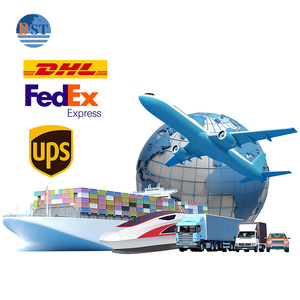
Fast Sea & Air Shipping DDP Agent (USA, UK, CA, EU)
- Full DDP / FBA Express Clearance
- LCL & FCL Container Consolidation
- Duty paid, no hidden destination fee
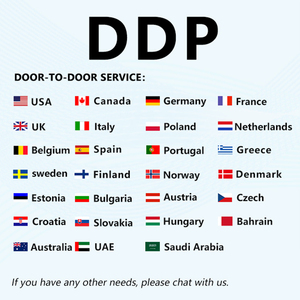
China to UK Door-to-Door Air & Ocean Freight Forwarder
- Optimized UK customs brokerage
- Direct Felixstowe & Southampton lanes
- Flexible deferred tax mechanism
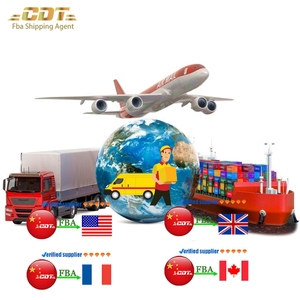
Multimodal Railway & Air Freight to Europe, USA & UAE
- China-Europe Railway Express (Yiwu/Xi'an)
- Integrated DHL/FedEx/UPS last-mile
- 50% cost saving vs pure air express
Priority Air Freight DDP & Express Carrier Courier Services
- Guaranteed 3-5 day air transit times
- TSA-Approved security screening
- End-to-end API tracking integration
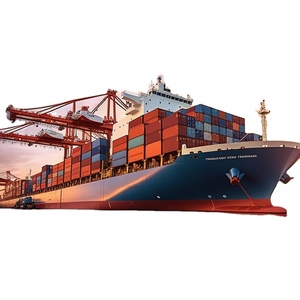
Shenzhen Port Sea Freight Rates (USA, Mexico, Germany)
- Direct contract rates with COSCO/MAERSK
- Port-to-Port & Port-to-Door options
- Extended 14-day free demurrage
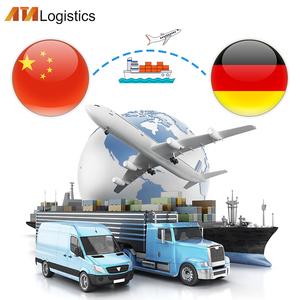
China Major Ports (Qingdao/Shanghai) to Hamburg & EU
- Strategic Northern China origin hubs
- Specialized dangerous goods & OOG handling
- Complete export license support
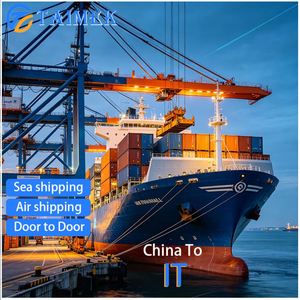
Mediterranean Direct Vessel Booking & Italy Customs Clearing
- Dedicated space allocation to Gioia Tauro
- Real-time satellite vessel tracking
- On-side transloading & drayage
Global Multi-Country Double DDP & B2B Dropshipping Agent
- Automated blind dropshipping protocol
- Zero tariff penalty risk for importers
- Customized SKU consolidation
Institutional E-E-A-T Framework in Global Freight
Combining over two decades of operational experience with licensed customs brokerage and direct carrier contracts to guarantee supply chain security.
TSA-Approved Carrier Compliance
As a verified TSA Indirect Air Carrier based in Los Angeles, CA, we implement rigorous security protocols, ensuring expedited air cargo screening and direct belly-hold loading rights on commercial lines.
In-House Customs Brokerage
Our licensed customs brokers eliminate tariff bottlenecks. We manage ISF filings, HTS code classifications, anti-dumping compliance, and FDA/DOT releases to prevent costly port demurrage.
Seamless Door-to-Door DDP
Our proprietary DDP architecture covers all origin pick-up, ocean/air export freight, destination duties, VAT payments, and final-mile FTL/LTL drayage under a single transparent invoice.
Transloading & Drayage Fleet
Operating near key hubs in City of Industry, LA/Long Beach ports, and European gateways, we provide 24-hour container devanning, pallet cross-docking, and nationwide warehouse distribution.
End-to-End Cargo Insurance
Mitigate maritime and transit risks with full-value all-risk marine cargo insurance policies. From origin dispatch in Shenzhen to final delivery across North America and Europe, your capital is secured.
Personal Account Management
We reject anonymous call centers. Every B2B importer is paired with a senior logistics coordinator who proactively tracks shipments, manages exceptions, and optimizes freight routes in real time.
Strategic Outlook: Navigating Global Procurement & China Export Freight Dynamics
The global trade landscape is undergoing a structural paradigm shift driven by geopolitical realignments, decarbonization mandates, and digitized customs infrastructure. As procurement leaders evaluate their sourcing strategies from China's premier manufacturing ecosystems, securing resilient export shipping solutions is no longer merely an operational line item—it is a core strategic lever for margin protection and brand velocity.
1. The Evolution of Delivered Duty Paid (DDP) and Amazon FBA Integration
In historical logistics models, international buyers bore the heavy administrative and financial burden of navigating destination customs under DDP or FOB terms. Today, modern procurement strategies overwhelmingly demand turnkey Double DDP (Delivered Duty Paid) door-to-door solutions. By shifting tax liabilities, customs filing complexities, and last-mile drayage coordination onto specialized freight exporters, global enterprises eliminate unexpected demurrage penalties and streamline cash flow predictability.
Furthermore, the explosive growth of cross-border e-commerce and direct-to-consumer (D2C) fulfillment has transformed warehouse routing requirements. Integrated freight forwarders now execute origin labeling, palletization in accordance with strict Amazon FBA compliance guidelines, and automated appointment scheduling at distribution hubs across North America, Europe, and the Middle East.
2. Nearshoring, Multimodal Freight, and "China Plus One" Logistics Synergy
While regional diversification ("Nearshoring") has gained momentum, China maintains an unmatched competitive moat in heavy manufacturing infrastructure, component supply chains, and specialized export logistics ports (e.g., Shenzhen, Shanghai, Ningbo, Qingdao). Rather than decoupling, forward-thinking buyers are adopting hybrid multimodal shipping networks.
By blending ocean FCL/LCL transport with overland China-Europe Railway Express links and air-sea sea-air feeder networks, importers achieve an optimal equilibrium between cost control and inventory velocity. For instance, shipping via ocean to Mediterranean hubs like Gioia Tauro or overland rail to Hamburg reduces transit lead times by 40% compared to traditional ocean routes, buffering against maritime disruption in key canal transit points.
Logistics Mode Optimization Matrix for B2B Importers
| Transport Mode | Avg. Transit Time | Cost Benchmark | Best Suited Cargo Profile | Customs Complexity |
|---|---|---|---|---|
| Express Air Freight | 3 - 5 Days | High ($$$$) | High-value electronics, medical samples, urgent product launches | Automated / Fast Track |
| Standard Air Freight DDP | 7 - 10 Days | Moderate-High ($$$) | High SKU fashion, automotive spares, time-sensitive retail | Handled by Agent |
| China-EU Railway Express | 15 - 18 Days | Moderate ($$) | Industrial equipment, consumer goods, green energy components | Border Railway Checkpoints |
| Ocean Freight FCL (Full Container) | 22 - 35 Days | Economical ($) | Bulk raw materials, heavy machinery, high-volume consumer goods | Standard ISF / Entry Clearance |
| Ocean Freight LCL (Consolidation) | 25 - 38 Days | Very Economical ($) | Small-to-medium B2B shipments, trial product runs | CFS Deconsolidation Filing |
3. Green Supply Chains and Decarbonization Mandates (CBAM & ESG)
Environmental governance is reshaping export logistics. Regulatory frameworks such as the European Union’s Carbon Border Adjustment Mechanism (CBAM) and mandatory ESG reporting for enterprise importers require precise carbon tracking per ton-kilometer shipped. Leading freight forwarders are incorporating low-carbon maritime fuels, route optimization algorithms, and modern eco-friendly container fleets to help global importers minimize Scope 3 emissions while remaining fully compliant with upcoming international mandates.
Technological & Operational Trends Transforming Export Logistics
The convergence of artificial intelligence, real-time IoT tracking, and predictive supply chain analytics is revolutionizing how goods travel from Chinese production lines to international consumer markets. Understanding these structural innovations allows enterprise buyers to select forwarders capable of providing a true competitive edge.
AI-Powered Dynamic Routing & Rate Spotting
Legacy freight booking involved slow manual rate queries and rigid routing schedules. Contemporary logistics platforms utilize predictive AI models that continuously evaluate global port congestion index metrics, fuel surcharges (BAF), and spot rates across global ocean carrier alliances (2M, Ocean Alliance, THE Alliance). This enables real-time dynamic booking adjustments, bypassing congested ports of entry and saving buyers up to 22% in annualized shipping expenditure.
IoT Container Visibility & Automated Customs Filing
Modern international supply chains demand granular transparency. IoT-enabled Smart Containers transmit real-time data regarding geolocation, internal temperature, humidity, and shock impacts. Simultaneously, automated Electronic Data Interchange (EDI) systems sync directly with US Customs and Border Protection (CBP) and European customs authorities, triggering automated clearance entries days prior to vessel berth.
Executive Buyer’s Guide: Key Criteria for Selecting Export Forwarders
Selecting an under-qualified shipping agent often leads to delayed clearances, unexpected terminal handling fees, and damaged client relationships. Procurement executives must audit potential freight partners against four critical benchmarks:
1. Rigorous Incoterm Mastership (FOB vs. CIF vs. DDP)
Many overseas manufacturers offer "Free on Board" (FOB) terms, leaving buyers vulnerable to unpredictable ocean rate spikes, destination drayage markups, and local customs compliance risks. Partnering with a dedicated freight forwarder capable of delivering comprehensive DDP terms ensures total pricing transparency where all duties, tariffs, and transport costs are fixed upfront.
2. FMC Licensing & Direct Carrier Contract Ownership
Verify whether your logistics partner holds FMC (Federal Maritime Commission) NVOCC licensing and TSA Indirect Air Carrier authorization. Non-licensed brokers rely on secondary middlemen, which increases cost markups and degrades accountability during cargo claims or space shortages.
Frequently Asked Questions (FAQ)
Expert insights into customs duties, transit timelines, DDP compliance, and freight cost mitigation when sourcing from China.
Q What is the primary operational difference between DDP and FOB shipping terms?
Under FOB (Free on Board) terms, the supplier's responsibility ends once the goods are loaded onto the vessel at the Chinese port. The buyer assumes all costs, risks, ocean/air transport fees, destination customs duties, and local delivery arrangements. Under DDP (Delivered Duty Paid), the shipping manufacturer or freight exporter handles the entire process end-to-end—including customs clearance, import tax/duty payments, and final door delivery—providing a single guaranteed rate and transferring transit liability away from the buyer.
Q How do TSA-Approved Air Freight Forwarders protect time-critical shipments?
TSA (Transportation Security Administration) approval indicates that a freight forwarder meets strict security standards established by the U.S. government. TSA-approved Indirect Air Carriers have priority access to commercial airline passenger and cargo space, streamlined security screening protocols, and regulated chain-of-custody procedures, minimizing security-induced delays at international airports.
Q What is container transloading and how does it reduce domestic inland freight costs?
Transloading involves offloading goods from ocean containers (such as 40ft or 45ft ISO containers) at port-adjacent warehouses (e.g., Los Angeles/Long Beach) and transferring them directly into larger 53ft domestic dry vans or trucks. This process eliminates expensive container return fees, reduces ocean carrier equipment detention charges, and allows three 40ft ocean containers to be consolidated into two 53ft trucks, cutting inland highway transport costs by up to 30%.
Q What factors determine whether I should select LCL consolidation or FCL sea freight?
Full Container Load (FCL) is most cost-effective for cargo volumes exceeding 15 to 20 Cubic Meters (CBM), as you pay a flat rate for the entire container (20ft or 40ft). Less Than Container Load (LCL) is ideal for smaller shipments (1 to 15 CBM), where you share container space with other shippers and pay strictly for the volume your goods occupy. However, LCL requires 3 to 5 additional days for origin consolidation and destination deconsolidation at the CFS (Container Freight Station).
Q How are customs duties and Section 301 tariffs handled under DDP shipping from China?
When utilizing our DDP shipping services, our licensed customs brokerage calculates all applicable Harmonized Tariff Schedule (HTS) duties, Section 301 tariffs, anti-dumping fees, and destination VAT upfront. We pay these fees directly to U.S. Customs and Border Protection (CBP) or European customs agencies under our bond, delivering fully cleared cargo to your warehouse without additional tax demands.
Q How does the China-Europe Railway Express compare to Ocean Freight in speed and price?
China-Europe Railway Express (transiting through hubs like Xi'an, Yiwu, and Chengdu to Germany/Poland) offers a mid-tier balance between air and ocean freight. Rail transit takes approximately 15 to 18 days door-to-door—nearly twice as fast as traditional ocean shipping around the Cape of Good Hope—while costing roughly 50% less than standard air freight.
Q What documents are required for smooth import customs clearance in North America & Europe?
Essential documentation includes the Commercial Invoice, Packing List, Bill of Lading (BOL) or Air Waybill (AWB), Import Security Filing (ISF for ocean freight entering the USA), Certificate of Origin, and relevant product compliance certificates (e.g., FDA, CE, FCC, UN38.3 for lithium batteries). Our team reviews all documents prior to export to ensure zero customs delays.
Q How can importers mitigate demurrage and detention charges at ocean ports?
Demurrage and detention fees occur when containers remain at ocean terminals or warehouses beyond allowed free days. We mitigate these risks by filing customs entries 5 days prior to vessel arrival (via pre-clearance), utilizing contracted 14-day extended free time agreements with ocean liners, and deploying dedicated container drayage trucks for immediate port retrieval upon vessel discharge.
Ready to Optimize Your Global Supply Chain?
Connect with our senior logistics architects today to audit your current shipping expenditure, secure preferential freight rates, and implement resilient DDP door-to-door logistics solutions tailored to your business goals.
Contact Us