
Featured Dangerous Goods Export Solutions & Freight Services
Explore our specialized dangerous goods shipping routes, battery transportation protocols, and door-to-door (DDP) multimodal logistics tailored for global B2B buyers and China exporters.
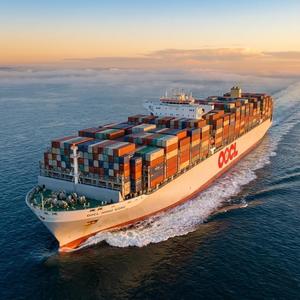
Battery Products China To France Door-to-Door LCL+Express Shipping
Full Class 9 DG compliance for Lithium-ion (UN3480/UN3481) & Pure Battery shipments. Features UN-certified fiberboard packaging, GHS labeling, customs clearance, and 24/7 temperature-tracked European delivery.
DDP Brazil Shipping for Dangerous Goods & Chemicals
Seamless air and sea freight forwarding to Santos, Paranaguá, and Rio de Janeiro. Full handling of Brazilian RADAR customs registration, IBAMA environmental licensing, and pre-paid duty clearance.

RCEX Express Shipping 3-5 Days Transit for Special Dangerous Goods
Expedited express air charter services for urgent hazardous chemical samples, industrial solvents, and sensitive battery equipment. Includes IATA Dangerous Goods Declaration (DGD) and TSA security compliance.
China to US / CA / DE / UK DDP LCL FCL Dangerous Goods Logistics
Comprehensive container consolidation (LCL) and dedicated ocean containers (FCL) for hazardous cargo. End-to-end customs brokerage, maritime safety declarations (MSA), and final mile truck drayage.
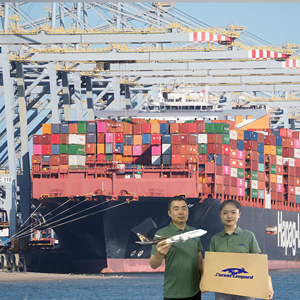
Professional Sea Transport DDP to USA, UK, France, Germany, Italy & Canada
Direct ocean routes with premier shipping lines for DG Classes 3, 4, 5, 8, and 9. Fully integrated automated AMS/ISF/ENS customs filings with guaranteed vessel space allocation during peak export seasons.
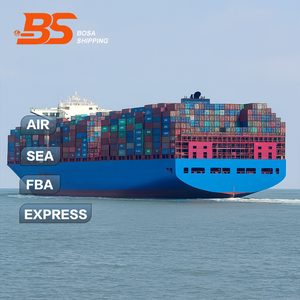
China to USA Express Dangerous Goods Delivery (DHL / UPS / FedEx)
Specialized courier integration for small-volume hazardous items, diagnostic materials, and consumer electronics containing integrated lithium batteries, adhering strictly to US DOT and FAA regulations.
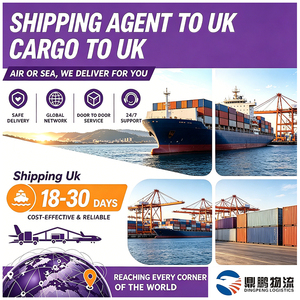
Sea Freight to UK Felixstowe Port with Full DG Insurance & Tracking
Direct maritime shipping lane to major UK maritime hubs. Equipped with comprehensive all-risk cargo insurance, dangerous goods port clearance, and UK HMRC customs compliance management.
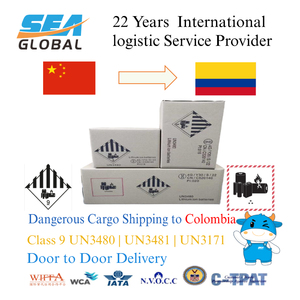
China to Colombia DG Freight Forwarding (EXW / FOB / DDP / Battery)
Customized Latin American logistics network specializing in energy storage batteries, paints, sealants, and agro-chemicals. Offers flexible Incoterms, door delivery in Bogotá & Medellín, and DIAN tax clearance.
Your Trusted Global Freight Partner for China DG Sourcing
Navigating international dangerous goods shipping requires flawless compliance, certified packing, and institutional knowledge. As a TSA-approved international freight forwarder based in Los Angeles, California, we bridge China’s manufacturing hubs with global commercial markets.
TSA-Approved Aviation Security
As a certified TSA Indirect Air Carrier (IAC), our operational protocols satisfy strict Transportation Security Administration standards. We manage air cargo screening, secure tendering, and charter flights for time-sensitive dangerous goods across major airlines.
20+ Years of Maritime & Air Expertise
Over two decades of hands-on experience handling complex international supply chains. Our veteran team understands the micro-details of IMDG Code, IATA DGR, and US DOT Title 49 CFR regulations, safeguarding your cargo against port holds and fines.
In-House Licensed Customs Brokerage
Avoid intermediate handoffs and costly customs misclassifications. Our in-house customs brokers manage ISF 10+2 entries, EPA notices, TSCA certifications, and tariff classifications for seamless import clearance in the US, Europe, and South America.
Container Drayage & Transloading Hub
Operating strategic warehousing near the Port of Los Angeles / Long Beach and major global gateways. We provide fast ocean container drayage, hazardous goods transloading, cross-docking, and nationwide inland FTL/LTL trucking.
All-Risk Cargo Insurance Protection
Hazardous goods carry inherently high financial risk. We offer comprehensive All-Risk Cargo Insurance policies covering door-to-door transit—protecting your capital against maritime general average, accidental damage, or thermal incidents.
Dedicated B2B Customer Support
Direct single-point-of-contact account managers who monitor your shipment around the clock. No automated response loops or offshore call centers—just real-time tracking, proactive issue resolution, and operational transparency.
Navigating China’s Hazardous Cargo & Dangerous Goods Export Ecosystem
Understanding the legal framework, packaging requirements, and maritime safety filings required when sourcing chemicals, batteries, and volatile industrial materials from Chinese manufacturers.
Mandatory Documentation for China DG Export Clearance
Exporting dangerous goods from Chinese ports (such as Shanghai, Ningbo-Zhoushan, Shenzhen, and Qingdao) requires strict regulatory compliance under China’s Maritime Safety Administration (MSA) and General Administration of Customs (GACC). Omitting documentation results in immediate container detention and heavy financial penalties.
- ✔ Material Safety Data Sheet (MSDS / SDS): Must follow the 16-section GHS standard, updated within 12 months, and aligned with GHS Revision 9.
- ✔ Packaging Inspection Certificate: Issued by China Customs (CIQ), verifying that inner and outer packaging meets UN Specification Standards.
- ✔ Dangerous Goods Declaration (DGD): Certified IMO/IATA DGD confirming proper shipping name (PSN), UN Number, Hazard Class, and Packing Group (I, II, or III).
- ✔ UN38.3 Lithium Battery Test Summary: Mandatory requirement for all UN3480, UN3481, UN3090, and UN3091 shipments, accompanied by thermal test report details.
UN Dangerous Goods Hazard Classes Covered
Our freight network is equipped to handle the full spectrum of hazardous material classifications under the International Maritime Dangerous Goods (IMDG) Code and IATA Dangerous Goods Regulations:
- Class 2: Gases (Compressed, Liquefied, Flammable, Non-Flammable, Toxic - e.g., Refrigerants, Aerosols).
- Class 3: Flammable Liquids (Paints, Solvents, Adhesives, Thinners, Alcohols).
- Class 4: Flammable Solids (Spontaneously Combustible & Water-Reactive Substances).
- Class 5: Oxidizing Substances & Organic Peroxides (Industrial Bleaches, Resins).
- Class 8: Corrosive Substances (Acids, Alkalis, Battery Fluids, Etching Liquids).
- Class 9: Miscellaneous Goods (Lithium-ion Batteries, Energy Storage Systems, EV Components).
Future Procurement Trends in Dangerous Goods Sourcing (2025–2030)
As environmental compliance tightens and global trade shifts toward clean energy technology, enterprise buyers must adapt their procurement logistics strategies to modern regulatory and technological standards.
1. Real-Time IoT Telematics & Thermal Sensor Monitoring
Procurement contracts are rapidly standardizing smart container tracking. Importers now demand real-time IoT sensors inside reefer and dry containers to monitor temperature, humidity, shock, and gas off-gassing for high-risk lithium battery storage systems (ESS) during sea transit. This mitigates runaway thermal risks before arrival.
2. Dominance of Turnkey DDP (Delivered Duty Paid) Models
B2B buyers are shifting away from FOB terms toward fully managed DDP shipping solutions. Overseas buyers prefer suppliers who handle complete hazardous origin declarations, international ocean freight, port customs clearance, and local bonded truck delivery under a single transparent tariff—eliminating surprise demurrages and compliance liabilities.
3. Stringent European Green Deal & US Battery Passport Compliance
Global legislation like the EU Battery Regulation requires total supply chain transparency for raw materials, recycled content, and carbon footprint metrics. Sourcing dangerous goods such as industrial battery packs now mandates digital product passports and certified green packaging materials compliant with circular economy frameworks.
4. Shared LCL Hazardous Container Consolidation Hubs
Small-to-medium enterprises (SMEs) sourcing specialized chemical compounds or battery accessories can rarely fill 20ft or 40ft FCL containers. Future procurement relies heavily on specialized DG LCL consolidation networks operating out of Shanghai, Ningbo, and Shenzhen, lowering freight expenses by up to 40%.
Industrial Evolution of China’s Dangerous Goods Exporters
China’s manufacturing landscape is evolving rapidly from traditional chemical manufacturing into high-tech clean energy export dominance. Understanding these macro shifts helps buyers select reliable long-term partners.
Shift to New Three (新能源三样) High-Value Goods
Chinese export volumes are booming in Electric Vehicles (EVs), Lithium Batteries, and Photovoltaic Energy Storage Systems. Exporters are heavy investors in automated UN-box packing lines, laser MSDS auditing, and GHS-compliant multilingual product labeling.
Port Logistics Modernization & Dedicated DG Berths
Major maritime port groups in China have constructed automated hazardous cargo staging yards and dedicated Class 3/8/9 berths. This reduces pre-shipment terminal dwell time from 10 days to under 48 hours, significantly accelerating transit speeds.
Unified Digital MSA Customs Inspection Portals
Paperwork delays are being eliminated through China’s integrated digital Maritime Safety Administration system. Digital DG declarations allow real-time cross-verification of factory UN test certificates with shipping line manifests before cargo leaves the plant.
Dangerous Goods Freight Mode Comparison
Compare transport modes based on UN hazard class acceptance, transit velocity, cost structure, and compliance complexity.
| Logistics Mode | Typical Transit Time | Suitable DG Classes | Documentation Required | Best For (Cargo Profile) |
|---|---|---|---|---|
| Air Express Charter (RCEX / Courier) | 3 - 5 Days | Class 9 (Lithium Batteries), Class 3 samples | IATA DGD, MSDS, UN38.3 Report, Packaging Cert | High-value prototypes, emergency spares, small battery packs |
| Standard Air Freight (TSA Gateway) | 5 - 8 Days | Class 2, 3, 4, 8, 9 (Excludes Class 1 & 7) | IATA DGD, Air Waybill, MSDS, CIQ Packaging Cert | Time-critical chemical shipments, medium-volume batteries |
| Ocean Freight FCL (Full Container) | 18 - 35 Days | Class 2, 3, 4, 5, 6.1, 8, 9 | IMO DGD, Bill of Lading, MSA Clearance, MSDS | Mass production chemical barrels, bulk energy storage ESS |
| Ocean Freight LCL (Consolidation) | 22 - 40 Days | Class 3, 8, 9 (Compatible chemicals) | IMO DGD, UN Box Certificate, MSDS, Packing List | SME chemical orders, small batch wholesale shipments |
| DDP Door-to-Door Multimodal | 20 - 45 Days | Class 3, 8, 9 | All Customs Filings, DGD, Import Bond, Delivery Order | Turnkey B2B shipments requiring zero buyer customs hassle |
China Dangerous Goods Sourcing & Shipping FAQ
Answers to essential technical questions regarding customs inspections, lithium battery transport protocols, packaging certifications, and risk management.
- UN3480: Standalone Lithium-ion batteries (shipped alone, state-of-charge must not exceed 30% for air freight under IATA regulations).
- UN3481: Lithium-ion batteries contained in equipment or packed with equipment.
- UN3090 / UN3091: Lithium Metal batteries (non-rechargeable primary cells).
Streamline Your China Dangerous Goods Supply Chain Today
Eliminate customs delays, packaging rejections, and regulatory compliance risks. Speak directly with our certified Hazmat Freight Specialists for immediate rate quotes, DDP route planning, and expert guidance.