
Featured OEM Freight Forwarding & Logistics Solutions
Select from our vetted range of OEM custom freight management systems, door-to-door (DDP) logistics channels, and air/ocean shipping services designed for global B2B enterprises.
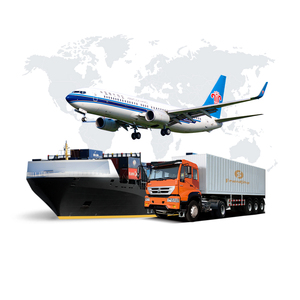
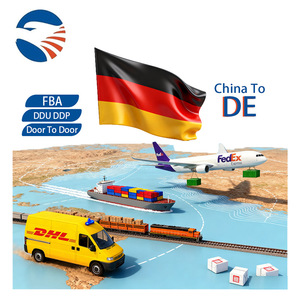


Executive Summary: The Evolution of Custom OEM Freight Forwarding & Supply Chain Engineering
In the contemporary landscape of global trade, cross-border logistics is no longer merely a transactional service—it has evolved into a strategic competitive advantage. As multi-national corporations, e-commerce conglomerates, and industrial manufacturers transition toward agile, direct-to-market operational models, the demand for high-tier Custom OEM Freight Forwarder Manufacturers & Suppliers has reached an unprecedented peak.
Traditional, off-the-shelf logistics arrangements frequently fail to address the nuance of specialized SKU handling, bespoke packaging requirements, synchronized factory-to-port dispatches, and multi-jurisdictional customs compliance. An enterprise-grade OEM freight forwarder acts as an operational extension of the original equipment manufacturer, providing tailored cargo architecture that optimizes landed costs, reduces order-to-delivery cycle times, and mitigates geopolitical and maritime supply chain vulnerabilities.
Deconstructing the OEM Freight Manufacturing & Logistics Paradigm
When selecting custom OEM shipping solutions, procurement executives must evaluate freight forwarders across several foundational pillars of logistics engineering:
1. Custom SKU-Level Packaging & OEM Palletization: Unlike standardized freight handlers, dedicated OEM logistics providers ensure that cargo is prepared at the source factory adhering strictly to destination warehouse standards (such as Amazon FBA floor-loading specifications, ISPM-15 heat-treated palletization, or custom shock-absorbing export packaging for sensitive electronics).
2. Tailored Incoterms Engineering (DDP vs. DDU vs. FOB): The shift toward Delivered Duty Paid (DDP) models allows manufacturers to streamline buyer friction by absorbing customs clearance, tariff classification, tax payments, and final-mile drayage into a unified per-unit rate structure.
3. Multi-Modal Congestion Bypass Systems: By leveraging strategic transloading facilities adjacent to major seaport gateways (such as Los Angeles and Long Beach), expert forwarders convert 40ft/45ft ocean containers into 53ft domestic dry vans, bypassing port terminal bottlenecks and dramatically reducing inland transit times across North America and Europe.
Why Recommended Cargo Logistics Lead the Global OEM Freight Sector
Combining over two decades of global logistics expertise with direct port proximity in Los Angeles, California, we deliver institutional-grade supply chain infrastructure tailored to custom manufacturing needs.
TSA-Approved Carrier Status
As an officially recognized Indirect Air Carrier (IAC) by the Transportation Security Administration, we maintain direct access to commercial belly space and dedicated freighter charters, guaranteeing priority uplift and uncompromised security.
In-House Customs Brokerage
Our licensed customs brokers execute immediate entry filings, ISF processing, duty drawbacks, and HTS classification verification, ensuring zero costly customs detentions or regulatory fines at major destination ports.
Container Drayage & Transloading
Strategically headquartered in the City of Industry, CA, our facility seamlessly coordinates ocean container drayage from LA/Long Beach ports directly to our distribution hub for immediate transloading, cross-docking, and sorting.
100+ Global Trade Lanes
We operate robust freight lanes linking primary manufacturing epicenters in Asia (China, Vietnam, India) directly to critical commercial hubs across North America, the European Union, the United Kingdom, and Australia.
Dedicated OEM Account Management
We eliminate automated call centers. Every client is assigned a dedicated senior logistics expert who oversees cargo milestone tracking, documentation verification, and direct supplier coordination from origin to destination.
Comprehensive Cargo Insurance
Protect your high-value manufacturing shipments against marine perils, theft, and accidental damage with tailored all-risk cargo insurance policies written directly into your freight contract.
Macro Supply Chain Trends: Industry Development & Procurement Outlook (2025–2030)
Navigating the global procurement landscape requires forward-thinking insights into regulatory, technological, and environmental dynamics. Procurement directors and supply chain architects must align their strategies with four dominant macro trends currently reshaping OEM freight forwarding:
1. Deep Integration of Real-Time IoT Telemetry & Predictive AI Analytics
Static tracking numbers are obsolete. Modern custom OEM logistics relies on sensor-driven IoT tracking devices embedded within shipping containers. These systems measure real-time geographical coordinates, ambient temperature, humidity levels, and shock impacts. Paired with predictive AI analytics, forwarders can preemptively rerun routing options if ocean carriers face port congestion or climate-induced canal delays.
2. Nearshoring, Friendshoring, and Multi-Node Sourcing Architecture
As global enterprises diversify manufacturing away from single-source origins toward regional manufacturing networks in Southeast Asia, India, and Mexico, freight forwarders must provide multi-node consolidation systems. OEM freight suppliers are increasingly called upon to manage complex feeder networks, intermodal border-crossing logistics, and bonded warehousing hubs that keep inventory liquid across multiple geographic territories.
3. Green Freight Decarbonization & Scope 3 Carbon Auditing
Environmental regulatory mandates, particularly within the European Union (such as the Corporate Sustainability Due Diligence Directive) and North America, now require detailed reporting of Scope 3 supply chain carbon emissions. Modern OEM freight forwarders must offer carbon-calculated routing options, utilizing bio-fueled ocean vessels, sustainable aviation fuel (SAF) programs, and electrified final-mile drayage fleets.
4. Automated Customs Compliance & Algorithmic HTS Auditing
With international customs authorities increasing scrutiny on cross-border e-commerce and industrial shipments, algorithmic classification verification has become essential. Advanced OEM forwarders integrate automated customs engines that verify Harmonized Tariff Schedule (HTS) codes, evaluate regional trade agreements (such as USMCA), and prevent punitive tariff miscalculations prior to vessel departure.
Frequently Asked Questions: Custom OEM Freight Procurement & Logistics Architecture
Below are detailed answers to critical questions encountered by supply chain directors, procurement leads, and corporate buyers when evaluating global OEM freight forwarders.
Partner with a World-Class OEM Logistics Specialist
Whether you require air freight chartering, ocean container consolidation, complex customs clearance, or transloading services across all 48 U.S. states, our team delivers custom logistics solutions backed by 20+ years of operational excellence.
Inquire Now