
Custom OEM Heavy Lift Solutions & Express Cargo Forwarding
Explore engineered heavy lifting systems alongside door-to-door ocean/air DDP freight forwarding solutions tailored for international industrial procurement.
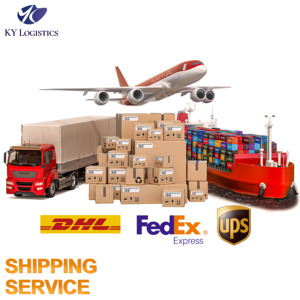
Air & Sea DDP LCL Cargo Freight Forwarding Solution
Turnkey DDP LCL consolidation from top China OEM factories to North America & Europe. Full customs clearance and destination port drayage included.
Maritime Heavy Lift & FCL Container Shipping Solutions
Direct ocean vessel booking, out-of-gauge flat racks, and project cargo transportation connecting Asian manufacturing hubs with US & European ports.
Multimodal Air/Sea Logistics & Door-to-Door Delivery
End-to-end supply chain routing engineered for high-value industrial machinery, replacement parts, and Amazon FBA fulfillment channels.

Customs Brokerage & DDP Ocean Cargo Forwarding
Pre-cleared duty-paid ocean freight solutions eliminating compliance delays, tariff surprises, and port storage penalties for industrial importers.
TSA-Approved Express Air Freight Cargo Service
Time-critical air charters and scheduled freight routes for urgent OEM components, heavy machinery spare parts, and high-priority deliveries.
Hybrid Express & Heavy Machinery Freight Forwarding
Customized logistics integrating courier express with ocean containerized breakbulk shipping for enterprise-level OEM machinery distributors.
Global LCL Container Consolidation & Drayage Hub
Cost-efficient consolidation for smaller OEM heavy lift accessory shipments with specialized transloading and nationwide US inland trucking.
Heavy Industrial Machinery FCL/Breakbulk Shipping
Specialized flat-rack, open-top, and breakbulk maritime shipping engineered specifically for custom heavy lift cranes and structural rigs.
Executive Technical Overview: Custom OEM Heavy Lift Manufacturing & Sourcing
In modern industrial engineering, global Engineering Procurement Construction (EPC) contractors, mining entities, and heavy industrial original equipment manufacturers (OEMs) demand unprecedented levels of precision when sourcing custom heavy lift machinery, overhead gantry systems, crawler cranes, and hydraulic rigging assemblies. Custom OEM heavy lift manufacturing represents a convergence of structural metallurgy, high-pressure fluid dynamics, real-time IoT load telemetry, and specialized international out-of-gauge (OOG) logistics.
Procuring custom heavy lift systems from international OEM factories requires navigating stringent mechanical engineering standards—such as ASME B30.5, ISO 9001:2015, FEM 1.001, and EN 13000—while managing the multi-modal logistics chain that transports non-standardized, ultra-heavy structures across global trade corridors. Failure to synchronize raw manufacturing tolerances with transport load limits frequently results in severe port demurrage, structural stress failures, or regulatory delays at customs checkpoints.
Key Insight: Information Gain in OEM Heavy Lift Sourcing
Traditional procurement models isolate factory production from global freight forwarding. Leading industrial buyers now leverage Turnkey OEM-Logistics Integration—where machinery design incorporates transport containerization parameters (such as modular pin-connected boom segments fitting within 40' High-Cube or Flat-Rack containers) from initial CAD modeling phases.
Custom OEM Heavy Lift Procurement & Supply Chain Model Comparison
The comparative matrix below outlines the operational performance, risk profile, and cost efficiency across primary international heavy lift procurement methodologies:
| Procurement Dimension | Standard Off-the-Shelf Machinery | Traditional Multi-Vendor OEM Sourcing | Integrated OEM + Turnkey DDP Logistics Model |
|---|---|---|---|
| Customization Depth | Zero (Fixed Manufacturer Specs) | High Structural Flexibility | Full Mechanical & Logistics Customization |
| Freight Optimization | Poor (Standard Container Specs Only) | Variable (High Risk of Oversized Freight Fees) | Maximized (Engineered for Modular Shipping) |
| Tariff & Compliance Control | Buyer Managed (FOB Risks) | Fragmented Customs Filings | Guaranteed (Single-Entity DDP Duty Paid) |
| Transit & Drayage Risk | Unprotected Transfer of Risk | High Exposure to Port Demurrage | Fully Insured Door-to-Door Protection |
| Total Cost of Ownership (TCO) | Baseline Capital Expense | High Unpredictable Logistics Overheads | Lowest TCO (15-22% Overall Cost Reduction) |
Future Procurement Trends for Custom OEM Heavy Lift Machinery
Anticipating structural shifts in global manufacturing supply chains, geopolitical tariffs, and modular equipment engineering through 2030.
1. Modularization & Containerized Transport Design
OEM factories are increasingly designing heavy lifting rigs (up to 1,200 metric ton capacity) with quick-connect structural pins and dismountable counterweight blocks. This allows ultra-heavy equipment to be stripped down into standardized 40' Flat-Rack or High-Cube dimensions, shifting cargo from high-cost Breakbulk vessels to routine ocean container carriers.
2. Shift Toward Delivered Duty Paid (DDP) Risk Management
Global procurement teams are abandoning classic Ex-Works (EXW) and Free on Board (FOB) terms for complex machinery. Under DDP terms, OEM suppliers and their primary forwarders take complete financial and legal liability for sea freight, US customs brokerage clearance, tariffs (HS Codes 8426/8431), and final site drayage.
3. Nearshore Transloading Hubs & Inland Storage
To guard against port congestion and drayage chassis shortages, top OEM suppliers are partnering with LA-based transloading centers. Heavy cargo is unstuffed from ocean containers immediately upon port arrival, inspected, and held in secure inland staging hubs before long-haul domestic trucking.
Industrial & Technological Development Trends (2025–2030)
The global heavy lift machinery market is undergoing a profound technological transformation driven by electrification, advanced metallurgical engineering, and industrial telemetry. Sourcing managers must evaluate OEM suppliers based on their adoption of these critical innovations:
1. High-Strength Low-Alloy (HSLA) Steel Structural Fabrication
Modern OEM heavy lift cranes utilize ultra-high-yield structural steels, such as Weldox 700 and S960 QL. These materials drastically reduce structural deadweight while increasing the Safe Working Load (SWL) rating. Advanced Non-Destructive Testing (NDT)—including ultrasonic defect detection and X-ray weld inspection—is now standard across certified tier-1 heavy lift factories.
2. Electro-Hydraulic & Hybrid Drive Powertrains
In response to global carbon reduction mandates (IMO 2030 and EU Green Deal rules), heavy lift OEMs are replacing traditional high-emission diesel engines with variable-frequency electric drives and high-efficiency electro-hydraulic pumps. These systems reduce fuel consumption by up to 35% during heavy duty cycles while delivering instantaneous torque for precision positioning.
3. Real-Time Telematics & Digital Twin Load Monitoring
Next-generation OEM heavy lifting equipment comes pre-integrated with CAN-bus industrial IoT sensors, wireless strain gauges, and anti-sway algorithmic controllers. Through cloud-connected telemetry, fleet managers can monitor load charts, wind speed thresholds, boom deflection, and hydraulic fluid temps in real time, preventing structural overload accidents.
Technical Standard Compliance Note
When procuring custom heavy lift gear from overseas suppliers, mandate compliance with ASME B30.5 (Mobile and Locomotive Cranes) or ASME B30.2 (Overhead and Gantry Cranes). Ensure the factory provides certified material mill test reports (MTRs) compliant with EN 10204 3.1 certification.
Frequently Asked Questions: Custom OEM Heavy Lift Sourcing & Logistics
Clear, authoritative technical answers addressing common engineering, procurement, customs, and transport challenges.
How are Safe Working Load (SWL) and safety factors verified during OEM factory testing?
Reputable custom OEM heavy lift suppliers conduct static overload tests (typically 125% of rated SWL) and dynamic load tests (110% of rated capacity) in accordance with ISO 4310 standards. Test verification requires third-party certification (DNV, ABS, or Lloyd's Register) along with calibrated load-cell strain telemetry logs before factory release.
What ocean freight shipping method is best for out-of-gauge (OOG) custom heavy lift machinery?
Selecting between FCL Flat-Rack, Open-Top, or Breakbulk shipping depends on dimensional boundaries. Cargo under 45 metric tons with modular width can be secured on 40' Flat-Rack containers. Larger non-dismountable structures require dedicated Breakbulk vessels or Roll-on/Roll-off (Ro-Ro) carriers with heavy-capacity ramp capabilities.
How does Delivered Duty Paid (DDP) protect industrial importers from tariff volatility?
DDP terms transfer all customs duties, Section 301 tariffs, harbour maintenance fees (HMF), merchandise processing fees (MPF), and unexpected port storage costs onto the seller/forwarder. The importer receives a single unified invoice with guaranteed landed cost pricing.
Why is TSA Approval critical for heavy lift spare parts forwarders?
TSA Indirect Air Carrier (IAC) certification allows freight forwarders to bypass lengthy airport screening delays for urgent AOG (Aircraft On Ground) or plant-down machinery components, granting priority access to passenger and cargo freighter aircraft belly space.
What documentation is mandatory for importing custom heavy lift machinery into North America?
Required documentation includes the Commercial Invoice with precise HS Code classification (e.g., 8426.19 for overhead traveling cranes), Packing List specifying net/gross weights and center of gravity (CoG), Bill of Lading (B/L), Importer Security Filing (ISF 10+2), Mill Test Certificates, and EPA/DOT compliance declarations for engine-driven units.
How can buyers avoid port demurrage and detention charges on heavy containerized shipments?
Demurrage is avoided by initiating pre-customs clearance 5 days prior to vessel berth, utilizing specialized heavy-duty drayage chassis pre-booked through local port partners, and coordinating direct transloading to inland flatbed trucks immediately upon container discharge.
End-to-End OEM Heavy Lift Engineering & Freight Mastery
Backed by over two decades of operational experience, TSA-approved accreditation, and strategic port proximity in Los Angeles, CA.
TSA-Approved Indirect Air Carrier
Certified by the Transportation Security Administration to execute secure, rapid air freight forwarding globally. Direct access to commercial air carriers guarantees expedited transit for critical industrial machinery parts.
In-House Licensed Customs Brokerage
Our dedicated internal customs brokers manage complex tariff classifications, duty drawbacks, and regulatory filings (CBP, DOT, EPA). Zero third-party handoffs ensure absolute compliance and zero administrative downtime.
Los Angeles Gateway Strategic Drayage
Strategically situated in the City of Industry, CA, minutes from the Ports of Los Angeles and Long Beach. We operate specialized container drayage, heavy-haul chassis fleets, and immediate port transloading operations.
Comprehensive All-Risk Cargo Insurance
Safeguard multi-million-dollar heavy lift capital assets against physical loss or damage from origin factory floor to final installation site with customizable, door-to-door maritime and inland insurance coverage.
Dedicated Account Management & Transparency
No automated call centers or fragmented departments. You receive a direct line of contact to senior logistics project managers who track your heavy lift payload 24/7 with complete operational visibility.
Nationwide 48-State FTL & LTL Trucking Network
Extensive inland logistics infrastructure offering specialized low-boy, multi-axle heavy haulers, step-deck trailers, and permitted escort routing across all 48 contiguous US states.
Streamline Your Custom Heavy Lift Procurement Today
Connect directly with our engineering logistics experts to request custom machinery sourcing quotes, ocean breakbulk schedules, customs tariff reviews, or door-to-door DDP freight estimations.