
Top 8 Cargo Brokerage & Multimodal Freight Solutions
Direct door-to-door, DDP/DDU, and custom brokerage frameworks engineered for cost efficiency and compliance.
Top Sea Freight Forwarder DDP Agent (China to NA & EU)
Full container (FCL) and consolidated (LCL) DDP ocean freight routing to USA, Canada, France, Italy, and Germany with all taxes paid.

Cheapest DDP Door-to-Door Sea Transport (China to US/UK)
Economical ocean cargo shipping optimized for high-volume B2B exporters requiring guaranteed customs release and last-mile trucking.
Multimodal Air Freight & Inland Trucking Cargo Brokerage
Integrated air chartering combined with expedited US inland haulage and customs brokerage for urgent commercial supply chains.
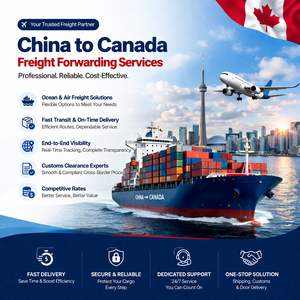
China to Canada Direct Charter & CFS Consolidation
Specialized transpacific ocean consolidation, air freight charters, and CFS container devanning with DDP delivery across Vancouver and Toronto.

Affordable B2B Air/Sea Cargo Brokerage & Customs Release
Enterprise B2B shipping suite combining automated Customs ABI filing, low tariff classification, and end-to-end tracking transparency.
FBA Courier & E-Commerce Logistics Brokerage (US & EU)
Dedicated Amazon FBA door delivery with automated appointment scheduling, pallet labeling, and rapid sea/express freight clearance.
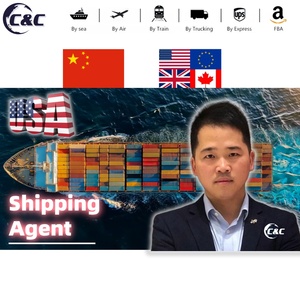
Global Sea Freight Forwarder & Door Delivery Broker
Direct carrier contract rates (COSCO, MAERSK, CMA CGM) for high-capacity export trade lanes connecting China to US, UK, EU, and Dubai.
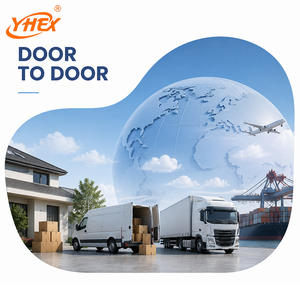
Priority USA Inland Drayage & Scheduled Truck Transport
Heavy-haul container drayage from LA/Long Beach ports directly to inland warehouses across 48 states with transloading and chassis availability.
Understanding Cargo Brokerage Dynamics in Global Supply Chains
In modern B2B global commerce, the role of a Cargo Brokerage Factory & Exporter Network extends far beyond simple freight booking. Enterprise supply chains face unprecedented volatility due to geopolitical shifts, Red Sea maritime re-routings, fluctuating spot rates, and rapidly changing customs mandates such as the US CBP’s strict enforcement of Section 301 tariffs and EU’s Carbon Border Adjustment Mechanism (CBAM).
A sophisticated cargo brokerage functions as an architectural hub—harmonizing ocean carriers (NVOCCs), TSA-approved air freight vectors, bonded warehousing facilities, and inland truckload fleets. By leveraging high-volume freight aggregation, cargo brokers secure priority vessel space allocations while mitigating cost multipliers like port demurrage, container detention, and unexpected customs holds.
Strategic Logistics Operating Model Comparison
Evaluating the operational capabilities and financial risk profiles across different freight management entities:
| Logistics Architecture | Customs Brokerage Integration | Rate Hedging Flexibility | Liability & Cargo Insurance | Best Suited For |
|---|---|---|---|---|
| Cargo Brokerage Exporter | In-House / Direct ABI Automated Entry | High (Multi-Carrier Alliance Rates) | End-to-End All-Risk Coverage | Mid-to-Large Exporters & Enterprise B2B Buyers |
| Asset-Based Carrier (VOCC) | Outsourced Third-Party | Low (Fixed Carrier Tariff Structure) | Limited Maritime Liability (COGSA) | Standard High-Volume FCL Terminal-to-Terminal |
| Traditional Freight Forwarder | Varies (Often Subcontracted) | Moderate (Spot & Contract Blend) | Standard Freight Forwarder Liability | General Commercial Cargo & LCL Consolidations |
| 3PL / Fulfillment Center | Rarely Offered In-House | Low (Focus on Warehouse Storage) | Warehouseman’s Legal Liability | E-Commerce B2C Pick-and-Pack Distribution |
Why Enterprise Exporters Partner With Our Brokerage Network
Combining Los Angeles gateway capabilities with decades of international freight brokerage and regulatory mastery.
TSA-Approved Indirect Air Carrier
Full authorization by the Transportation Security Administration allows us to secure expedited space on commercial passenger and cargo-only aircraft worldwide with strict security protocol compliance.
LA Gateway Drayage & Transloading
Headquartered in City of Industry, CA, near the Port of Los Angeles & Long Beach. We operate immediate container transloading, cross-docking, and drayage to cut port storage costs.
In-House Licensed Customs Brokerage
Our licensed brokers manage automated ABI entry filings, duty drawback programs, HTS code verification, and ISF 10+2 documentation to eliminate clearance hold-ups.
Nationwide Inland Trucking (48 States)
Complete Full Truckload (FTL) and Less Than Truckload (LTL) coverage across all 48 contiguous US states, backed by carrier vetting and real-time GPS equipment tracking.
20+ Years Family-Owned Accountability
Direct access to seasoned logistics directors. No distant call centers or ticketing systems—just personalized account management focused on safeguarding your cargo value.
All-Risk Marine Cargo Insurance
Comprehensive ocean and air freight policy issuance protecting shipments against general average, theft, damage, and maritime perils from origin point to final destination.
Future Procurement Trends in Cargo Brokerage & Trade
Key technological, environmental, and structural shifts altering global freight procurement through 2030.
1. AI-Driven Algorithmic Freight Matching & Predictive ETAs
The days of manual rate sheets are ending. Next-generation cargo brokerages rely on predictive machine learning models to analyze historical vessel velocity, port congestion metrics, and weather patterns. Enterprise buyers can now lock in automated spot rates and receive high-probability ETA forecasts accurate down to 4-hour time windows, dramatically improving warehouse labor scheduling.
2. Carbon Transparency & Scope 3 Decarbonization
With strict EU CBAM reporting standards and corporate ESG mandates taking effect, procurement directors must quantify the precise carbon intensity of their supply chain vectors. Modern cargo brokers are embedding Scope 3 emission calculation dashboards into their rate quotes, allowing exporters to choose lower-carbon LNG-powered ocean vessels or biofuel-backed air freight options.
3. USMCA Corridor Nearshoring & Intermodal Expansion
Supply chain diversification away from single-source manufacturing hubs has catalyzed massive growth along the US-Mexico-Canada trade corridors. Cargo brokerages are expanding cross-border bonded trucking and rail intermodal infrastructure, ensuring seamless customs handoffs at border nodes like Laredo and El Paso for rapid assembly distribution.
4. End-to-End Automated DDP Compliance Networks
B2B buyers increasingly demand Delivered Duty Paid (DDP) terms to insulate themselves from regulatory hassle. Advanced cargo brokerages are constructing integrated international tax, duty settlement, and local last-mile courier networks that allow factories to quote landed prices instantly to global buyers.
Global Logistics & Cargo Exporter Development Dynamics
Essential regulatory updates and structural changes transforming international freight operations.
C-TPAT Tier 3 & Security Compliance
Customs Trade Partnership Against Terrorism (C-TPAT) validation has become essential for high-frequency exporters. Partnering with a Tier 3 compliant cargo brokerage minimizes CBP physical container inspection rates by up to 80%, bypassing costly port exam fees and multi-week delay cycles.
Ocean Carrier Alliance Restructuring
The breakup of major ocean carrier alliances (such as 2M) and the emergence of new operational agreements (like the Gemini Cooperation) are reshaping trade routes. Brokerages with multi-alliance access ensure exporters maintain contract flexibility regardless of individual carrier blank sailings or service cancellations.
De Minimis & Tariff Classification Rigor
Global customs authorities are heightening scrutiny surrounding low-value exemptions and HTS tariff misclassification. Modern freight exporters must rely on certified customs brokers using automated HS classification software to avoid severe fines and cargo seizure risks.
Cargo Procurement Cost Optimization Framework
Practical decision frameworks for enterprise freight buyers to calculate total landed cost and balance freight speed versus budget.
Total Landed Cost (TLC) Equation for International Cargo
To calculate accurate profit margins, enterprise procurement managers must evaluate all embedded freight variables rather than relying solely on airport-to-airport or port-to-port ocean rates:
FCL vs. LCL Break-Even Decision Framework
When shipping via sea freight from major manufacturing hubs, determining when to transition from Less Than Container Load (LCL) to Full Container Load (FCL) is critical for cost control:
- Under 15 CBM: LCL is typically cost-effective, as buyers only pay for space occupied in a consolidated container.
- 15 CBM to 28 CBM: The threshold zone. LCL consolidation fees and destination CFS handling costs often equal the flat rate of a 20GP Full Container. FCL provides superior speed and safety by avoiding co-loading with third-party freight.
- Above 28 CBM: 40GP or 40HQ Full Container Load (FCL) yields the lowest cost per cubic meter while granting absolute control over container sealing and routing.
Frequently Asked Questions in Cargo Procurement
Expert answers to critical operational, legal, and financial questions encountered during global B2B freight purchasing.
Optimize Your Global Cargo Logistics Architecture
Partner with a TSA-approved, Los Angeles-based cargo brokerage authority. Unlock competitive sea and air rates, guaranteed customs compliance, and nationwide trucking solutions tailored to your enterprise export requirements.