
Featured International Freight Brokerage Solutions
Explore our top-tier freight forwarding and brokerage services tailored for global importers, exporters, and manufacturers seeking high information gain, transparent tariffs, and seamless execution.
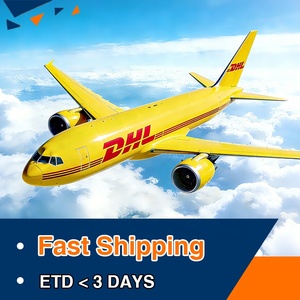
Air Freight Forwarder China to USA / Germany / Spain DDP Services
Comprehensive express air freight with guaranteed space allocation, expedited customs clearance, and full DDP door-to-door delivery across North America and Europe.
- TSA-Compliant Air Charter & Commercial Flights
- Duty-Paid Direct Delivery to FBA & Warehouses

Professional Shipping Agent DDP Door-to-Door Multimodal Logistics
End-to-end multimodal transport integrating ocean FCL/LCL and air freight solutions with automated customs entry and real-time GPS milestone tracking.
- Transparent Single-Point Pricing Structure
- Integrated Warehouse Storage & Packaging
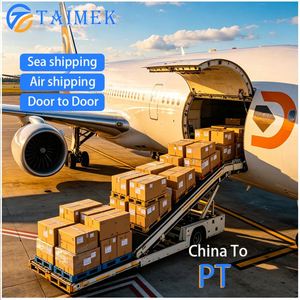
Air Customs Brokerage & DDP Express Transport to Portugal & EU
Precision customs brokerage optimized for fast clearance at Porto Airport (OPO) and European hubs, minimizing detention and regulatory compliance risks.
- In-House Licensed Customs Brokers
- Rapid 24-48 Hour Transit Cycles
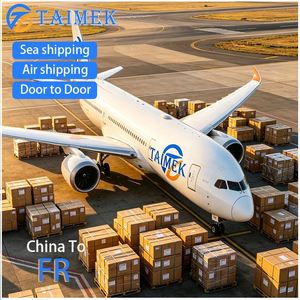
Direct Air DDP & Expedited Freight to France & Western Europe
Dedicated cargo lines to Nice Côte d'Azur (NCE) and Paris (CDG), incorporating duty mitigation strategies, bond coverage, and last-mile trucking.
- Specialized High-Value Cargo Handling
- EU VAT Deferment & Compliance Filing
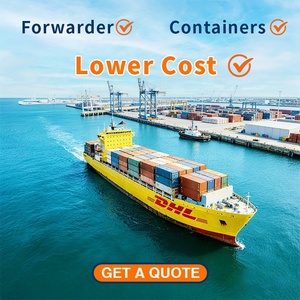
Global Freight Brokerage: China to USA, Australia & Italy DDP
Scalable ocean freight (FCL/LCL) and air consolidation solutions covering major ports in the US West Coast, Europe, and Australasia.
- Direct Carrier Contracts (NVOCC)
- Flexible FCL & LCL Container Options
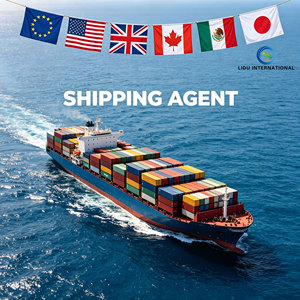
Cost-Effective Door-to-Door Worldwide Supply Chain Solutions
Complete logistics engineering utilizing inland trucking, container transloading, and intermodal transport to lower overall landside shipping costs.
- 20+ Years Proven Operational Track Record
- End-to-End Cargo Risk Management
Air Express & Dangerous Goods Specialized Customs Clearance
Certified hazmat logistics and express freight clearance designed for hazardous materials, battery cargo, and time-sensitive commercial inventory.
- Full DG Regulatory Compliance & Documentation
- Automated Broker Interface (ABI) Clearance
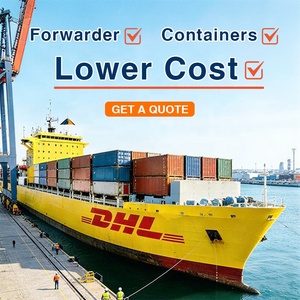
Transpacific & Transatlantic Multi-Carrier Freight Forwarding
Strategic freight management leveraging premier ocean vessel capacity and drayage routing for high-volume cross-border trade lanes.
- Dedicated Account Oversight & 24/7 Support
- Port-to-Door Drayage and Transloading
Navigating international trade in 2025 requires more than basic freight matchmaking. As a TSA-approved freight forwarder based in Los Angeles, CA, Recommended Cargo Logistics delivers deep structural advantages: in-house licensed customs brokerage, dedicated container drayage, full intermodal coverage across all 48 US states, and hands-on, family-owned accountability. Evaluating a freight broker factory or supplier requires assessing regulatory certifications, carrier contract tiering, and digital risk mitigation.
Enterprise Core Competencies & Strategic Value
Why leading global brands, importers, and industrial manufacturers trust our logistics network to manage critical supply chains.
TSA-Approved Security & Compliance
Our official Indirect Air Carrier (IAC) status and TSA approval guarantee prioritized boarding on commercial and freighter aircraft, rigorous screening compliance, and heightened cargo safety protocols.
Los Angeles Gateway & Drayage Control
Headquartered in City of Industry, CA, we maintain direct control over container drayage, transloading, and warehousing operations serving the Ports of Los Angeles and Long Beach.
In-House Licensed Customs Brokerage
Bypass intermediary clearance delays. Our licensed brokers directly manage HTS classification, ISF filings, FDA/PGA compliance, duty drawbacks, and complex DDP customs entries.
Full Truckload (FTL) & LTL Coverage
Comprehensive inland logistics matching nationwide assets across all 48 lower states. Specialized equipment including flatbeds, reefers, step-decks, and dry vans on demand.
End-to-End Cargo Insurance
Mitigate maritime and transit liabilities with complete freight insurance policies tailored to product value, shielding your business against General Average and transit damages.
Direct Communication & Family Values
No call center automated loops. You gain direct access to dedicated freight specialists committed to transparent pricing, operational integrity, and responsive communication.
Top 10 Freight Brokerage Factories & Supplier Selection Guide (White Paper Depth)
In modern international trade, selecting the right partner from the vast ecosystem of freight brokerage factories, suppliers, and digital intermediaries is one of the most critical decisions a supply chain executive can make. Landed cost volatility, geopolitical shifts in trade lanes (such as Transpacific and Asia-Europe corridors), regulatory enforcement by U.S. Customs and Border Protection (CBP), and fluctuating carrier capacity require enterprises to move beyond basic price-per-container quotes toward holistic freight architecture evaluation.
1. Defining Information Gain in Freight Procurement
Search engines and procurement officers alike demand genuine Information Gain. A true freight broker or forwarder provides actionable intelligence: granular HTS tax optimization, real-time port congestion updates at LA/Long Beach, transit time variance metrics between FCL ocean transport vs. sea-air multimodal services, and preventative demurrage/detention strategies. When evaluating suppliers, businesses must demand transparent cost break-downs detailing ocean freight rates, terminal handling charges (THC), bunker adjustment factors (BAF), chassis split fees, and customs clearance tariffs.
2. Essential Criteria for Selecting Top Freight Brokerage Partners
When shortlisting candidate logistics providers, enterprise procurement teams should audit against five mandatory operational pillars:
- Regulatory Accreditation: Ensure active TSA Indirect Air Carrier status, FMC-licensed NVOCC registration, and C-TPAT certification to streamline border security validation.
- Asset & Drayage Control: Does the broker operate direct drayage fleets or transloading facilities near major gateways like Los Angeles (LAX/POLA/POLB) to prevent port storage penalties?
- Customs Expertise: In-house licensed customs brokers eliminate hand-off errors, enabling seamless DDP (Delivered Duty Paid) fulfillment and compliance with Partner Government Agencies (PGA) such as FDA, EPA, and USDA.
- Financial Transparency: Clear, non-conflicting billing without hidden administrative surcharges, chassis detention traps, or unexpected congestion fees.
- Technology Integrations: API/EDI capabilities providing real-time container status, automated milestone notifications, and digital document management.
3. Future Procurement Trends in Freight Brokerage (2025–2030)
The global freight brokerage market is undergoing structural shifts driven by digitalization, regionalization, and decarbonization mandate enforcement:
- AI-Driven Predictive Routing & Capacity Matching: Advanced freight brokers utilize machine learning algorithms to dynamically route cargo around bottlenecked ports, predicting weather disruptions and carrier rollover risks weeks in advance.
- Nearshoring & Multi-Node Supply Chains: Sourcing strategies are diversifying from single-origin manufacturing toward multi-origin setups (China + Southeast Asia + Mexico). Freight forwarders must offer agile intermodal connections spanning trans-border trucking and short-sea shipping.
- ESG & Carbon Accounting (ISO 14083): Institutional buyers now require granular Scope 3 carbon emission reporting per shipment. Leading brokers offer green shipping routes, SAF (Sustainable Aviation Fuel) offsets, and bio-fuel vessel bookings.
- Automated Compliance & Frictionless Customs: Automated Broker Interface (ABI) filings combined with AI-powered HTS classification code software are dramatically reducing customs release times from days to hours.
4. Navigating Industry Development Dynamics & Rate Volatility
Ocean carrier alliances continuously recalibrate capacity through blank sailings (cancelled sailings) to stabilize spot rates. Simultaneously, air freight spot markets experience sudden surges due to e-commerce demand spikes. Partnering with an experienced, independent freight forwarder like Recommended Cargo Logistics ensures your supply chain maintains multi-carrier access. Rather than being tied to a single ocean carrier's schedule, an established broker taps into tier-1 carrier space across alliances, providing contract safety valves during peak shipping seasons.
Enterprise Freight Procurement FAQ
Clear, authoritative answers to common operational questions encountered by global trade compliance officers and logistics managers.
What is the difference between a Freight Forwarder and a Freight Broker?
A freight broker acts primarily as a middleman matching shippers with licensed motor carriers. In contrast, an international freight forwarder (like Recommended Cargo Logistics) takes on broader operational and legal responsibility: issuing Bills of Lading, assembling ocean/air consolidations, offering warehousing, managing customs entry, and engineering full door-to-door (DDP/DAP) trade lanes.
Why is TSA approval critical for air freight forwarding?
TSA (Transportation Security Administration) approval designates a forwarder as an Indirect Air Carrier (IAC). This authorization permits the forwarder to tender cargo directly onto commercial passenger flights as well as cargo aircraft, unlocking significantly higher flight frequencies, competitive rates, and stringent security compliance handling.
How does DDP (Delivered Duty Paid) shipping simplify international procurement?
Under DDP Incoterms, the freight forwarder and seller manage the entire transportation chain—including export clearance, international freight, import customs clearance, payment of all duties/taxes, and final local door delivery. The buyer receives goods hassle-free with zero administrative or customs burden.
What strategies prevent container demurrage and detention fees at US West Coast ports?
Demurrage (port storage fees) and detention (chassis/container use fees) are minimized by submitting ISF filings 24 hours prior to vessel departure, securing pre-clearance with CBP, utilizing off-dock transloading facilities in Los Angeles, and maintaining dedicated private drayage fleets capable of immediate container retrieval upon vessel discharge.
When should a shipper choose FCL over LCL ocean shipping?
Full Container Load (FCL) is cost-effective when cargo volume exceeds 13–15 cubic meters (CBM) or when goods require isolated security. Less than Container Load (LCL) is ideal for smaller shipments (1–12 CBM) where sharing container space significantly lowers baseline ocean freight expenses.
Why is cargo insurance recommended if carriers already have limited liability?
Carrier liability is strictly capped by international conventions (e.g., COGSA limits liability to $500 per package). Full cargo insurance covers the actual commercial value of your inventory against transit damage, theft, maritime loss, and General Average declarations, protecting your enterprise balance sheet.
Ready to Optimize Your Global Logistics & Freight Procurement?
Connect directly with our senior logistics engineers for custom rate quotes, trade lane optimization, and instant customs guidance.