
Featured Ocean & Air Freight Contracting Services
Explore top-rated international freight forwarding programs from China to North America, Europe, and Australia. Designed for maximum cost efficiency, transparent DDP tax handling, and guaranteed vessel space.
Cheapest Air Sea DDP LCL International Logistics Service Top 10 China to USA UK Canada Express Freight Forwarder
- Mode: Ocean LCL / Express Air
- Terms: DDP / Door-to-Door
- Routes: China to USA, UK, Canada
Top Sea Freight Forwarder Agent Shipping DDP Door to Door Transport Maritime China to EU & North America
- Coverage: DE, FR, IT, CA, USA
- Customs: Inclusive Duties & Taxes
- Transit: 18 - 25 Days Direct Sailings
Cheapest FBA Amazon Door To Door Shipping Agent Air/Sea Logistics Services China To USA, UK & Australia
- FBA Fulfillment: Direct Warehouse Delivery
- Appointment: Auto-Scheduled CARP / Delivery
- Compliance: Strict Pallet & Label Checks
Cheapest DDP Door to Door Services Sea Shipping Agent Freight Forwarder From China to USA, UK & Europe
- Cost Savings: Up to 30% vs Traditional CIF
- Tracking: Real-Time Milestones
- Clearance: Fast-Track Automated Filing
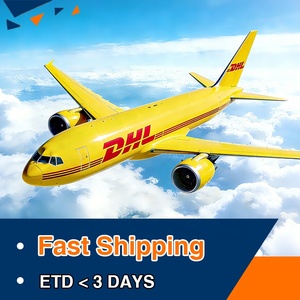
Top 10 Air Freight Forwarder China to USA, Germany & Spain DDP Shipping Agent & Spedition Services
- Transit Time: 3 - 6 Business Days
- TSA Security: Full Compliance Clearance
- Capacity: Guaranteed Blocked Space Agreement

Best Service DDP Sea Air Freight Express Shipping Agent China to North America & Global Destinations
- Partners: DHL, UPS, FedEx Courier Integration
- Flexibility: Tailored Hybrid Transit Models
- Security: End-to-End Cargo Protection
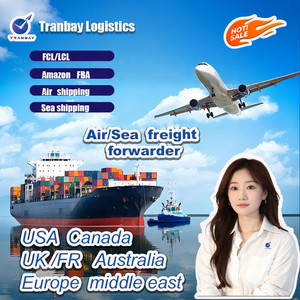
LCL Express Sea Freight Forwarder Worldwide Freight Forwarding Door to Door DDP Shipping Solution
- Minimum Volume: 1 CBM Entry Acceptance
- Consolidation: Weekly Scheduled Sailings
- Destination: Direct Port-to-Door Delivery
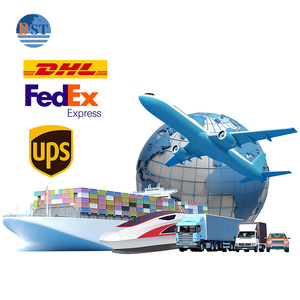
Fast & Cost-Effective Sea Air Shipping Agent DDP Logistics Services China to Global Trade Corridors
- Flexibility: FCL 20ft/40ft & LCL Options
- Drayage: Fast Port Clearance & Trucking
- Coverage: Global Hubs & Regional Warehouses
Why Recommended Cargo Logistics is Your Premier Forwarding Partner
Headquartered in Los Angeles, California, Recommended Cargo Logistics, Inc. delivers enterprise-grade supply chain solutions built on over two decades of operational experience and TSA certification.
TSA-Approved Carrier Status
As a fully vetted, TSA-approved indirect air carrier (IAC) and registered freight forwarder based in City of Industry, CA, we maintain rigorous security compliance, granting priority access to commercial airlines and direct cargo charters.
Strategic Los Angeles Gateway
Situated adjacent to the Ports of Los Angeles and Long Beach (POLA/POLB) as well as Los Angeles International Airport (LAX), our local drayage, container transloading, and warehousing hubs accelerate turnaround times and bypass port congestion.
In-House Customs Brokerage
Navigating complex US Customs and Border Protection (CBP) tariffs, HTS classification, ISF 10+2 filings, and Section 301 duties. Our licensed in-house customs brokers ensure zero operational friction or penal demurrage charges.
Seamless FCL & LCL Consolidation
Whether you require full 20ft/40ft/40hc container loads (FCL) or less-than-container-load (LCL) consolidation, we optimize cargo density to deliver unbeatable volumetric freight rates across key transpacific lanes.
Full Nationwide Trucking (FTL/LTL)
Our expansive inland carrier network connects West Coast ocean terminals directly to all 48 contiguous states. From specialized refrigerated transloading to regional drop-deck drayage, your freight stays moving.
20+ Years Dedicated Family Care
We combine enterprise logistics horsepower with personal accountability. You receive direct access to senior logistics strategists—no call centers, no robotic ticketing systems, just real experts managing your bottom line.
Ocean Freight Procurement in 2025: Navigating Volatility, Alliances, & DDP Compliance
Global supply chains are undergoing structural transformations driven by geopolitical realignments, maritime decarbonization mandates (IMO 2023/2025), carrier alliance reshuffles (such as the Gemini Cooperation and Ocean Alliance updates), and shifting consumer buying patterns. For global importers, brand owners, and procurement directors, navigating ocean freight requires moving beyond simple spot-rate comparisons toward holistic cost-of-landed-goods strategies.
Executive Insight: Simply securing the lowest ocean freight spot rate per TEU does not guarantee supply chain efficiency. Port congestion, chassis split fees, demurrage, ISF filing penalties, and tariff misclassifications routinely wipe out 15% to 35% of projected margins when working with inexperienced freight brokers.
1. FCL vs. LCL: Decoupling Volumetric Economics
Understanding the precise financial crossover between Less Than Container Load (LCL) and Full Container Load (FCL) is fundamental to optimizing freight spend. LCL consolidation relies on cubic meter (CBM) pricing structures, which offer incredible flexibility for shipments under 15 CBM. However, once cargo volume reaches 15–18 CBM, transitioning to a 20ft FCL container frequently reduces per-unit transportation costs while eliminating origin co-loading delay vectors.
| Evaluation Parameter | Ocean LCL Freight | Full Container Load (FCL) | Air Freight (Standard / Express) |
|---|---|---|---|
| Optimal Volume | 1 CBM to 15 CBM | 15 CBM to 68 CBM (20ft/40ft/40HQ) | 0.5 CBM to 5 CBM (High-Value / Urgent) |
| Transit Predictability | Moderate (Requires CFS Unpacking) | High (Direct Port Terminal Pick) | Highest (3 to 6 Days Door-to-Door) |
| Handling Risk | Multiple Touchpoints at CFS Hubs | Sealed Factory-to-Door Container | Minimally Handled Palletized Cargo |
| Cost Structure | Per CBM / Weight Equivalent | Flat Per Container Tariff | Per Chargeable Kilogram (Volumetric 1:6000) |
| Customs Risk | Shared Container Hold Risk | Individual Bill of Lading Clearance | Rapid Individual Express Clearances |
2. The Strategic Rise of DDP (Delivered Duty Paid) Sourcing
Historically, global importers operated under FOB (Free On Board) terms, placing the burden of ocean transit, customs brokerage, and inland drayage entirely on the buyer's internal teams. Today, enterprise procurement directors are rapidly adopting DDP (Delivered Duty Paid) models delivered by specialized forwarders like Recommended Cargo Logistics.
Under a turnkey DDP framework, the freight supplier assumes total responsibility for marine insurance, export clearances, transpacific ocean transport, US Customs entry, payment of harbor maintenance fees (HMF), merchandise processing fees (MPF), and final mile truckload delivery to warehouses or Amazon FBA fulfillment centers. This creates complete pricing certainty, eliminating surprise detention fees or billing discrepancies.
Future Sourcing Trends in Maritime Logistics & Freight Forwarding
As the international shipping landscape evolves, top-tier exporters and logistics directors must align their procurement strategies with four key operational shifts:
Trend 1: Nearshoring & Multimodal Transloading Agility
To mitigate port dwell times and ocean vessel congestion, leading importers are bypassing traditional direct-rail intermodal services. Instead, they leverage West Coast transloading hubs—such as Recommended Cargo Logistics' facilities in Los Angeles—to transfer 40ft ocean containers into 53ft domestic trailers. This practice accelerates inland transport across the US by up to 5 days while reducing inland freight costs by 20%.
Trend 2: AI-Driven Predictive Visibility & IoT Tracking
Modern supply chains demand real-time telemetry. Advanced ocean freight suppliers are embedding IoT sensors directly into container locks, providing granular visibility into GPS location, temperature, humidity, and shock impacts. Paired with predictive ocean carrier algorithms, importers receive automated alerts regarding port gate availability and vessel ETA adjustments before delays occur.
Trend 3: Environmental Sustainability & CII Compliance
The International Maritime Organization's Carbon Intensity Indicator (CII) ratings are forcing ocean carriers to slow-steam older vessels. Forward-thinking buyers are partnering with NVOCCs that actively manage green shipping corridors, utilizing dual-fuel LNG and methanol vessels to meet corporate Scope 3 carbon reduction mandates.
Trend 4: Tariff Classification & Section 301 Exemption Optimization
With ongoing updates to trade regulations and customs duties, accurate Harmonized Tariff Schedule (HTS) coding is a vital financial lever. Working with experienced customs brokers ensures importers legally minimize duty obligations through tariff engineering, first-sale valuation, and drawback programs.
Frequently Asked Questions by Global Buyers
Essential guidance for supply chain managers, buyers, and logistics professionals procuring ocean freight services from international suppliers.
What is the difference between FCL and LCL ocean freight, and how do I choose?
FCL (Full Container Load) reserves an entire 20ft, 40ft, or 40ft High Cube container for your goods alone. It is the most cost-effective and secure option for volume shipments (typically over 15 CBM). LCL (Less than Container Load) consolidates cargo from multiple shippers into a shared container. You only pay for the volume (CBM) you use, making LCL ideal for smaller shipments between 1 CBM and 14 CBM.
What is DDP (Delivered Duty Paid), and why is it preferred for Amazon FBA & B2B deliveries?
Under DDP shipping terms, the freight forwarder handles all operational, customs, and financial aspects of the shipment from the origin factory floor directly to your final destination door. This includes ocean transit, export paperwork, import customs clearance, duty and tariff payments, port fees, and final trucking. DDP removes all customs headaches and guarantees a fixed landed cost per unit.
What is ISF 10+2, and why is early filing critical for ocean shipments into the United States?
Importer Security Filing (ISF), commonly known as "10+2", is a mandatory U.S. Customs and Border Protection (CBP) requirement for ocean freight imports. It requires 10 data elements from the importer and 2 from the carrier to be transmitted at least 24 hours prior to cargo loading at the foreign port. Failure to file accurately or on time results in strict CBP fines of $5,000 per violation and automatic cargo holds upon arrival.
How can importers avoid Demurrage and Detention charges at West Coast ports?
Demurrage is charged when containerized cargo remains inside the port terminal beyond free time, while Detention is charged for holding equipment (containers/chassis) outside the terminal. Importers can avoid these costly penalties by utilizing a Los Angeles-based forwarder with dedicated drayage fleets, pre-clearing customs prior to vessel arrival, pre-booking port gate appointments, and leveraging off-dock transloading facilities.
What are the typical ocean freight transit times from major Asian ports to North America?
Transit times vary based on the service loop: Fast-boat direct ocean services from Shanghai/Yantian to Los Angeles/Long Beach take approximately 11 to 14 days port-to-port. Standard transpacific services take 16 to 20 days. Shipments destined for U.S. East Coast ports via the Panama Canal take 28 to 35 days. Adding inland trucking or LCL deconsolidation typically adds 2 to 5 business days to total door-to-door transit.
Why is TSA Approval important when selecting an international freight forwarder?
A TSA-approved Indirect Air Carrier (IAC) has undergone rigorous vetting by the U.S. Transportation Security Administration. This accreditation allows the forwarder to tender cargo directly onto passenger aircraft and dedicated freighter flights. It guarantees strict security protocols, accelerated airport drop-offs, and seamless integration if your ocean freight urgently requires fallback air charter services.
How is chargeable weight calculated for Air Freight vs. Ocean Freight CBM?
Ocean freight LCL is calculated based on volume in Cubic Meters (CBM), where 1 CBM equals 1,000 kg (1 CBM : 1,000 kg). Air freight uses a volumetric ratio based on 1 CBM equals 167 kg (1 CBM : 167 kg or Length x Width x Height in cm / 6000). Air carriers charge based on whichever is greater: actual gross weight or volumetric weight.
Is marine cargo insurance necessary if the ocean carrier already provides basic liability?
Yes, absolutely. Carrier liability under international maritime law (such as the Carriage of Goods by Sea Act / COGSA) is extremely limited—often capped at just $500 per package or custom unit, regardless of actual cargo value. Comprehensive All-Risk Marine Cargo Insurance covers your shipment against loss, damage, theft, rough seas, and General Average claims from origin factory to final warehouse door.
Optimize Your Global Ocean Freight Strategy Today
Partner with Recommended Cargo Logistics for transparent DDP rates, TSA-approved reliability, and dedicated Los Angeles drayage support. Request our complete 2025 Service Catalog and custom rate matrix now.
Get Catalog