01. Foundational Architecture Understanding Commercial Cargo Shipping in Modern Supply Chains
In an increasingly interconnected yet volatile global marketplace, commercial cargo shipping represents the fundamental spine of international commerce. Beyond moving physical merchandise from Point A to Point B, commercial logistics involves a complex matrix of regulatory compliance, risk mitigation, financial hedging, and multimodal routing optimization. For procurement managers, sourcing agents, and enterprise supply chain leaders, navigating the trade-offs between speed, cost per unit, and operational reliability determines market competitiveness.
Commercial freight forwarding is fundamentally distinct from personal parcel shipping. It requires specialized documentation, strict adherence to international maritime law (such as the Hague-Visby and Hamburg Rules), federal customs compliance (U.S. Customs and Border Protection), and security protocols overseen by agencies like the Transportation Security Administration (TSA). Whether managing raw materials for manufacturing or finished consumer goods for retail distribution, choosing the correct freight model directly dictates total landed costs and working capital efficiency.
Information Gain: Dimensional Weight & Freight Charge Matrices
A common pitfall in commercial cargo procurement is evaluating carrier rates strictly by gross weight. Freight forwarders apply billing based on Chargeable Weight, calculated via Volumetric Weight (Dimensional Weight) vs. Actual Weight comparison:
- Air Cargo Volumetric Standard: (Length × Width × Height in cm) / 6,000 = Volume Weight in kg (or L × W × H in inches / 166 for lbs).
- Ocean Cargo Standard (W/M Rule): 1 Cubic Meter (CBM) = 1,000 kg (1 Metric Ton). Whichever yields higher total revenue is charged.
- Inland LTL Trucking: Rates depend on NMFC Freight Class ratings (Class 50 to 500) determined by density, stowability, handling, and liability.
Multimodal Trade Mode Decision Matrix
Selecting the optimal shipping mode is a strategic trade-off. Below is an executive analytical matrix evaluating commercial transport options across critical operational metrics:
| Shipping Mode | Transit Velocity | Cost per Volume/Kg | Ideal Cargo Profile | Primary Risk Factors |
| TSA Air Freight (Direct) | 1 – 3 Days | High ($4.00 – $9.00+/kg) | High-value electronics, medical supplies, urgent samples | Space allocations, fuel surcharges, flight delays |
| TSA Air Freight (Deferred) | 4 – 7 Days | Moderate-High ($2.50 – $5.00/kg) | Semi-urgent components, fashion inventory drops | Transshipment delays, airport terminal congestion |
| Ocean Freight (FCL 40'HC) | 14 – 30 Days | Lowest per CBM ($0.05 – $0.20/kg eq.) | High-volume retail, heavy machinery, bulk commodities | Port congestion, demurrage/detention charges, blank sailings |
| Ocean Freight (LCL Consol) | 18 – 35 Days | Low-Moderate ($80 – $180/CBM) | Medium volumes (1 to 14 CBM), trial product launches | CFS handling delays, risk of cross-contamination |
| Inland Drayage & Transload | 1 – 3 Days (Port to Hub) | Predictable Fixed Flat Rate | De-consolidating ocean containers into 53ft domestic trailers | Chassis shortages, port gate queue wait times |
02. Service Execution Tailored Commercial Cargo Shipping Solutions & Operational Models
To maximize supply chain agility, Recommended Cargo Logistics offers integrated commercial shipping services engineered around the specific regulatory and physical dynamics of global trade lanes. Below is an operational breakdown of our core commercial freight execution capabilities:
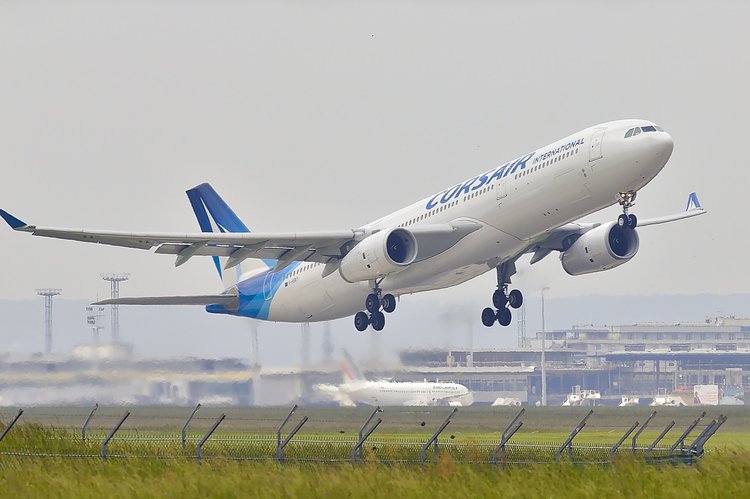
TSA-Approved Air Freight Forwarding
When speed to market is critical, our TSA-certified Indirect Air Carrier (IAC) status unlocks direct access to commercial passenger and freighter airlines globally. We manage end-to-end air cargo logistics with guaranteed uplift.
- Direct Next-Flight-Out (NFO) & Priority Air Charter
- Standard & Deferred Air Cargo Consolidation
- Temperature-controlled cold-chain management
- Complete airport-to-door TSA security screening
.jpg)
Ocean Freight Forwarding (FCL & LCL)
Leveraging primary carrier contracts across major alliance loops (2M, Ocean Alliance, THE Alliance), we deliver reliable containerized sea freight from Asia, Europe, and Latin America directly into Port of Los Angeles / Long Beach.
- Full Container Load (FCL: 20', 40', 40'HC, Reefer, Open Top)
- Less Than Container Load (LCL) weekly consolidations
- Out-of-Gauge (OOG) and Breakbulk heavy equipment
- Vessel chartering and port-to-port visibility

Customs Brokerage & Compliance
Avoid costly U.S. Customs holds, liquidated damages, and tariff misclassifications. Our in-house licensed Customs Brokers ensure seamless entry filings prior to vessel arrival.
- Automated Broker Interface (ABI) & ISF 10+2 filings
- Harmonized Tariff Schedule (HTS) classification audits
- Partner Government Agency (FDA, USDA, DOT, EPA) clearance
- Single-entry & Continuous Customs Bonds setup
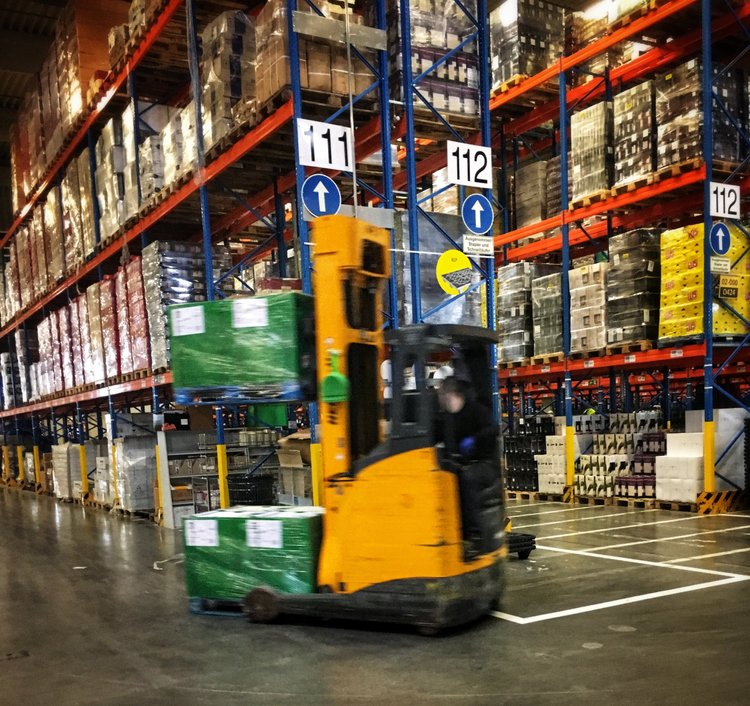
Container Drayage & Transloading
Bypass port congestion and eliminate marine steamship line container demurrage fees. We extract ocean containers immediately upon discharge for rapid warehouse transloading.
- Immediate Harbor Drayage from Port of LA / Long Beach
- 3:2 Transloading (Palletizing 3 marine containers into 2 53ft trailers)
- Short-term & long-term bonded warehouse storage
- Cross-docking and Amazon FBA fulfillment prep
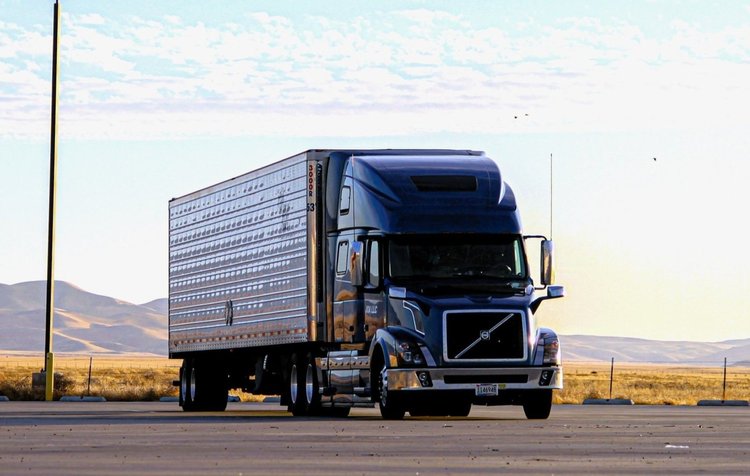
Inland Trucking & Domestic Freight
Seamlessly bridge maritime ports and airport cargo terminals to any commercial warehouse across the contiguous 48 U.S. states through our nationwide motor carrier network.
- Full Truckload (FTL) dry van & flatbed dispatch
- Less-Than-Truckload (LTL) regional freight consolidation
- Dedicated hot-shot & expedited team-driver runs
- Liftgate, residential, and final-mile white-glove delivery

All-Risk Commercial Cargo Insurance
Carrier liability policies strictly limit payouts (e.g., $500 per package under COGSA). Protect your enterprise balance sheet against general average declarations and maritime loss.
- Institute Cargo Clauses (A) - All-Risk primary coverage
- Warehouse-to-Warehouse protection for transit duration
- Concealed damage & theft endorsement policies
- Streamlined claims processing without proving carrier fault
03. Sourcing Strategy Future Procurement Trends in Commercial Cargo Shipping (2025–2030)
Global procurement strategies are undergoing a structural shift. The decade of hyper-centralized production relying exclusively on lean, just-in-time (JIT) manufacturing has yielded to resilient, multi-tiered supply chain frameworks. Procurement directors must align their commercial freight strategies with three macro trends shaping international freight logistics over the next five to ten years:
Nearshoring & Multi-Hub Routing Strategic Shift
Enterprise buyers are shifting from single-source manufacturing to "China + 1" and nearshoring models in Mexico, Southeast Asia (Vietnam, Malaysia), and India. This shift requires freight forwarders capable of handling complex intermodal corridors—such as cross-border trucking combined with ocean transshipment—and managing dual gateway entries (U.S. West Coast vs. U.S. Gulf/East Coast).
Total Cost of Ownership (TCO) Sourcing Procurement Metric
Progressive buyers no longer evaluate suppliers solely on FOB (Free On Board) unit price. Modern procurement models calculate Total Landed Cost, integrating ocean/air freight volatility, customs duty impacts under Section 301 tariffs, inventory carrying costs caused by transit buffer times, and potential port demurrage risks into real-time sourcing decisions.
Agile Index-Linked Contracting Rate Risk Management
Fixed annual ocean freight contracts are increasingly giving way to hybrid indexing frameworks. Importers combine long-term baseline volume commitments with spot-market flexibility linked to Shanghai Containerized Freight Index (SCFI) or Drewry World Container Index benchmarks, mitigating exposure to sudden carrier capacity cuts (blank sailings).
Duty Mitigation & Trade Compliance Customs Optimizing
With heightened enforcement of trade acts (such as UFLPA compliance and anti-circumvention rules), procurement strategies require rigorous supply chain mapping down to the raw material tier. Automated tariff classification, First Sale Rule valuation, and Duty Drawback programs are becoming standard operational tools to protect profit margins.
04. Logistics Innovation Industry & Technological Trends Reshaping Commercial Logistics
Technology and environmental regulations are fundamentally altering the execution of commercial cargo shipping. To remain competitive, buyers must partner with logistics providers who harness these innovations to maintain supply chain visibility and compliance.
1. AI-Driven Predictive Supply Chain Telemetry
Artificial intelligence has progressed beyond simple GPS location tracking. Enterprise freight management now leverages predictive analytics to calculate real-time Estimated Time of Arrival (ETA) adjustments by analyzing vessel AIS signals, port congestion indices, weather patterns, and strike disruptions. Automated exception management flags potential bottlenecked containers days before dock arrival, allowing cargo re-routing before costly delays accumulate.
2. Maritime Decarbonization Mandates (IMO 2030 / EU ETS)
Sustainability is no longer merely a corporate social responsibility initiative—it is a legal and financial imperative. The International Maritime Organization (IMO) has introduced strict Energy Efficiency Existing Ship Index (EEXI) regulations, while the European Union has extended its Emissions Trading System (EU ETS) to cover shipping emissions. Commercial ocean carriers are increasingly passing decarbonization costs to shippers via Carbon Surcharges. Modern procurement demands choosing carriers utilizing LNG-powered, methanol-ready, or wind-assisted propulsion vessels to minimize Scope 3 carbon footprints.
3. IoT Smart Container Telemetry
High-value commercial cargo—ranging from pharmaceuticals to microelectronics—increasingly utilizes Internet of Things (IoT) sensors embedded directly within shipping containers. These devices transmit real-time data on internal temperature, humidity, shock impact, ambient light exposure (indicating unauthorized opening), and exact geolocations via satellite links, ensuring complete transparency across multi-carrier handoffs.
05. Buyer Knowledge Base Commercial Cargo Shipping FAQ: Expert Answers to Global Sourcing Queries
Below are authoritative answers to the most common tactical, financial, and regulatory questions asked by international buyers and supply chain managers:
How do I determine whether to choose FCL or LCL for a commercial ocean shipment?
The decision between Full Container Load (FCL) and Less Than Container Load (LCL) depends primarily on cargo volume, urgency, and fragility:
Volume Threshold: As a rule of thumb, if your shipment volume exceeds 13 to 15 Cubic Meters (CBM), booking a 20ft FCL container is generally more cost-effective than paying per-CBM LCL rates, even if the container is not completely full. 20ft containers accommodate approx. 28-30 CBM, while 40ft containers hold approx. 58-65 CBM.
Handling & Transit Time: FCL travels sealed from the exporter's facility to your destination warehouse. LCL requires consolidation at a Container Freight Station (CFS) at the origin port and de-consolidation at the destination port, adding 3 to 7 business days to total transit time and increasing the risk of handling damage.
What is the exact customs clearance process for commercial imports at U.S. ports?
Customs clearance involves a strict sequential workflow regulated by U.S. Customs and Border Protection (CBP):
- ISF Filing (10+2): Importer Security Filing must be submitted electronically at least 24 hours before the cargo is loaded onto the vessel at the foreign port. Failure results in mandatory $5,000 CBP penalties.
- Entry Summary (CBP Form 7501): Your licensed customs broker files entry documentation within 15 calendar days of arrival, identifying HTS code classifications, commercial value, and applicable tariffs.
- Customs Bond Execution: Commercial shipments valued over $2,500 require a Single Entry Bond or a Continuous Customs Bond to guarantee payment of duties and taxes.
- PGA Review: If applicable, agencies such as the FDA, USDA, or EPA review and clear specialized goods prior to release.
- Duty Payment & Freight Release: Duties are paid via Automated Clearing House (ACH), and CBP issues a "Customs Release" alongside the ocean carrier's "Freight Release."
Why is TSA Approval crucial when selecting an air freight forwarder in the United States?
The Transportation Security Administration (TSA) strictly regulates air cargo traveling aboard commercial passenger and freighter aircraft under the Certified Cargo Screening Program (CCSP). A TSA-Approved Indirect Air Carrier (IAC) like Recommended Cargo Logistics has undergone rigorous security audits, vetting, and employee background verification.
Working with an approved IAC allows your commercial shipments to be tendered directly to commercial airlines without being subjected to third-party delays, re-inspection holds, or elevated security surcharges at airport cargo hubs. It ensures your time-critical freight maintains priority booking status.
How can container transloading protect my business against port demurrage and detention charges?
Port demurrage (charges assessed by ocean terminals for containers remaining on dock past free days) and detention (charges assessed by steamship lines for holding equipment past free days) can rapidly drain supply chain budgets during peak season congestion.
Container Transloading mitigates this risk by utilizing local harbor drayage to pull ocean containers off the marine terminal immediately upon discharge. The freight is brought to our local warehouse (e.g., in City of Industry, CA), offloaded, palletized, and re-loaded into 53ft domestic trailers or regional trucks. The empty ocean container is promptly returned to the marine terminal within its free-time allowance, completely avoiding equipment penalty fees while allowing cost-effective 3:2 volume optimization into domestic truckload networks.
What are Incoterms 2020, and how do EXW, FOB, and DDP affect commercial freight responsibilities?
Incoterms (International Commercial Terms) published by the ICC define the exact point where risk, costs, and tasks transfer from seller to buyer:
- EXW (Ex Works): The buyer assumes total responsibility and cost from the seller's factory door, including foreign export customs clearance and ocean/air freight.
- FOB (Free On Board): The seller handles foreign inland transport and export clearance, loading goods onto the vessel. The buyer assumes all costs and risks once goods are loaded on board. (This is the most common commercial importing model).
- DDP (Delivered Duty Paid): The seller handles the entire transport chain, including international freight, U.S. customs entry, and payment of import duties, delivering directly to the buyer's warehouse.
Enterprise E-E-A-T Capabilities Why Recommended Cargo Logistics Is Your Proven Gateway Partner
Headquartered strategically in City of Industry, CA—within immediate reach of the Ports of Los Angeles and Long Beach and Los Angeles International Airport (LAX)—we combine high-level compliance expertise with hands-on freight execution.
20+ Years Industry Excellence
Over two decades of proven experience navigating complex trade lanes, port disruptions, tariff changes, and global economic cycles.
TSA-Approved IAC Carrier
Certified Indirect Air Carrier status guaranteeing secure, priority air cargo uplift and seamless carrier tendering nationwide.
In-House Customs Brokerage
Direct regulatory compliance management ensuring fast clearance, accurate HTS tariff classification, and zero filing penalties.
End-to-End Asset Control
From port drayage chassis to dedicated transloading warehouses and 48-state inland trucking, we manage the complete chain.
Family-Owned Accountability
You work with dedicated logistics experts who know your account personally—no call centers, no generic support ticket queues.
Transparent Freight Pricing
Clear, detailed rate quotes with zero hidden destination charges, empowering accurate landed cost calculations for every shipment.
Ready to Optimize Your Commercial Cargo Logistics?
Connect directly with our senior freight forwarding experts. Whether you require an immediate air quote, an ocean FCL lane audit, or a customized container transloading strategy, our team is ready to assist.
Contact Us 