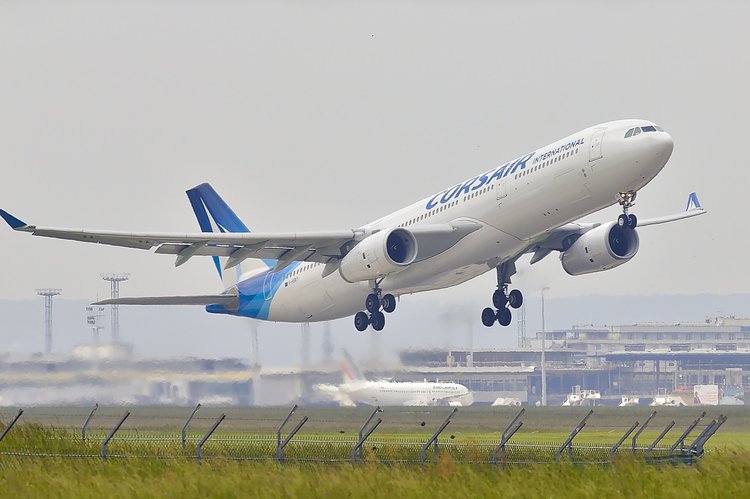
TSA-Approved Air Cargo Origin Pickup
Specialized expedited pickup for time-critical, high-value freight. Our TSA-approved carrier status guarantees compliant handling from factory floor directly to airport cargo screening terminals (CCSF).

In international logistics, the term "First Mile Pickup Services" defines the movement of manufactured goods from a supplier’s or manufacturer's facility to the initial transport node—typically an export gateway, container freight station (CFS), port terminal, or air cargo hub. While end-to-end supply chain managers often focus heavily on ocean transit times or last-mile delivery performance, quantitative logistics research reveals that up to 80% of supply chain delays, unexpected detention charges, and documentation errors originate within the first mile.
For enterprise procurement officers, global sourcing buyers, and supply chain directors operating across North America, Europe, and Asia, first-mile logistics represents the precise inflection point where manufacturing output transitions into international freight. Managing this boundary requires deep regional carrier integration, meticulous cargo inspection at loading, strict regulatory adherence (such as TSA Indirect Air Carrier standards), and flawless synchronization with ocean and air carrier schedules.
Standard freight quotes frequently overlook origin operational friction. Misalignment between factory dispatch readiness and driver arrival windows leads to truck roll-overs, missed container cut-offs, late filing penalties (such as ISF or AES late fees), and unnecessary storage costs at origin hubs. A structured, single-source First Mile Pickup Service eliminates fragmented vendor handoffs and secures immediate cargo custody.
As global procurement models pivot toward multi-country sourcing strategies, nearshoring, and high-frequency smaller order sizes, the complexity of origin cargo collection has escalated. Importers no longer require simple trucking; they require proactive origin orchestration. This guide breaks down the core architecture of enterprise first-mile services, evaluates emerging global trends, provides clear product recommendations, and resolves the most pressing questions asked by procurement leadership worldwide.
At Recommended Cargo Logistics, Inc., headquartered in City of Industry, California, we leverage over two decades of multimodal freight experience to execute bulletproof origin pickup operations. Our integrated solutions bridge the gap between foreign and domestic factories and the global transport network.
Specialized expedited pickup for time-critical, high-value freight. Our TSA-approved carrier status guarantees compliant handling from factory floor directly to airport cargo screening terminals (CCSF).
.jpg)
Positioning empty ocean containers directly at vendor sites for Full Container Load (FCL) packing, or executing bonded truckload pickup for Less Than Container Load (LCL) origin consolidation.
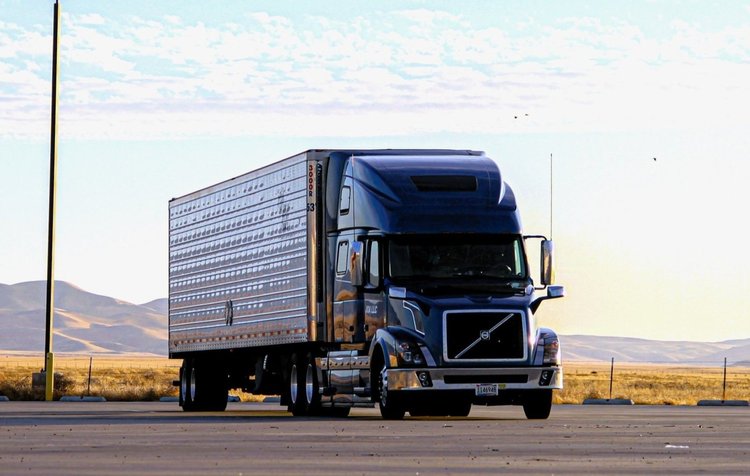
Full Truckload (FTL) and Less-Than-Truckload (LTL) sweep runs across industrial corridors. We pick up from multiple manufacturing vendors and aggregate goods into central distribution points.

Real-time physical loading verification paired with licensed customs brokerage. Origin export declarations, commercial invoices, and packing list validation occur concurrently during pickup.
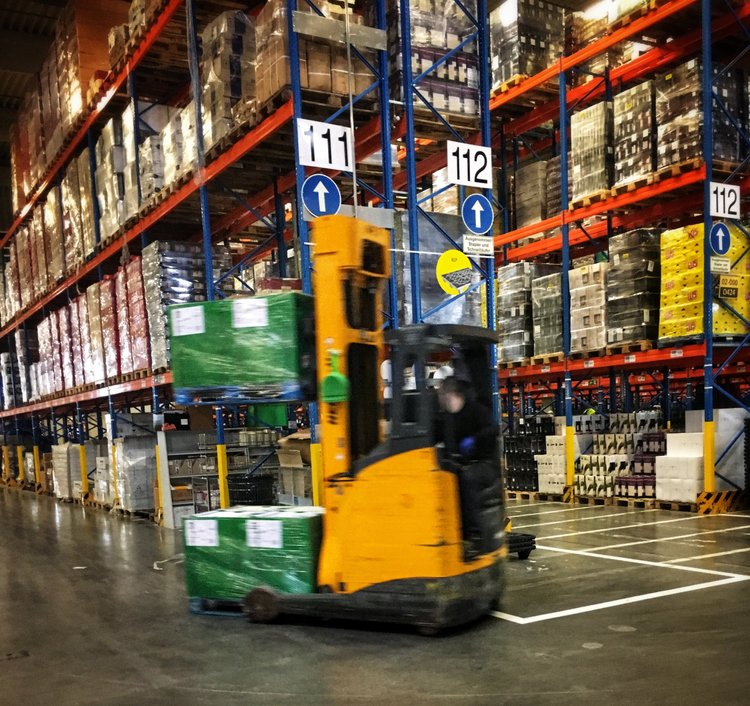
Immediate transfer of goods from factory vehicles to domestic equipment or export containers, minimizing storage costs and preventing dwell-time accumulation at ports.

Responsive, scheduled local pickup services operating across key industrial hubs. Dedicated fleet dispatch guarantees intact, punctual pickup regardless of vendor location remote access challenges.

Comprehensive insurance coverage taking effect the exact second cargo is loaded onto the first-mile vehicle, safeguarding assets against handling damage, road hazards, or theft.
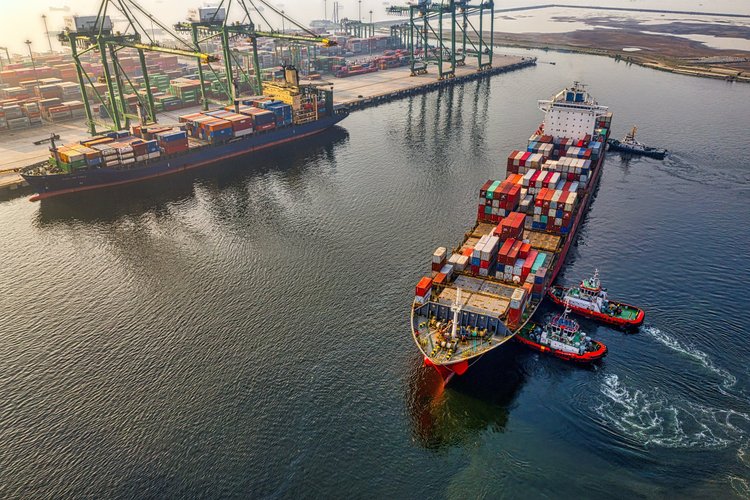
Seamless movement of intermodal containers between vendor loading docks, rail yards, and ocean terminals with active chassis tracking and demurrage mitigation.
To assist procurement managers in matching operational needs with the optimal logistical setup, the matrix below outlines our core first-mile service tiers:
| Service Model | Ideal Cargo Type | Primary Advantage | Key Compliance & Security Feature |
|---|---|---|---|
| Expedited TSA Air Pickup | High-value, electronics, time-sensitive spares | Bypasses intermediate hubs; direct airport CCSF drop | TSA Chain of Custody & Chain-of-Security Clearance |
| Factory-Direct FCL Drayage | High-volume industrial, heavy machinery, bulk goods | Eliminates double-handling; sealed at manufacturer site | GPS Chassis Tracking & Tamper-Evident Bolt Seals |
| Consolidated Origin LTL | E-commerce SKUs, multi-supplier purchase orders | Reduces freight charges via origin space optimization | Barcode scanning & item-level SKU verification |
| Cross-Border Inland Pickup | Nearshoring automotive, apparel, raw materials | Door-to-door transit speed with simplified border clearance | C-TPAT Verified Carrier Network & Bonded Transit |
The global trade architecture is undergoing a structural shift driven by technology integration, geopolitical realignment, and strict environmental accountability. Enterprise buyers analyzing their 3-to-5-year procurement blueprints must account for four transformation pillars within first-mile operations:
Traditional first-mile logistics relied on fixed pickup schedules that struggled to adapt when factory production lines experienced delays. Next-generation procurement frameworks utilize AI-driven intent mining and predictive algorithms. By monitoring factory ERP outputs and live traffic/port congestion metrics, smart dispatch platforms dynamically re-route pickup trucks, dynamically adjust carrier appointments, and select optimal export gateways before cargo ever leaves the dock.
As corporations shift from single-origin sourcing models toward "China Plus One" strategies or nearshoring hubs (such as Mexico and Southeast Asia), first-mile pickup must handle geographically fragmented supplier bases. Procurement leaders are prioritizing forwarders capable of deploying standardized, digitalized first-mile collection networks across diverse emerging markets, ensuring consistent visibility regardless of origin point.
Corporate Scope 3 emissions mandates are increasingly holding supply chain executives accountable for carbon output generated during inland pickup. The industry is witnessing accelerated adoption of heavy-duty Electric Vehicles (EVs) and CNG-powered drayage trucks for short-haul port runs and localized factory pickups. Recommended Cargo Logistics is actively collaborating with drayage partners committed to low-emission fleet modernization.
Importers no longer accept blind spots between factory dispatch and port entry. Modern first-mile pickups incorporate Internet of Things (IoT) sensors attached directly to pallets or container doors. These devices transmit real-time telemetry regarding GPS position, temperature variance, shock/impact events, and unauthorized door openings, providing complete transparency long before the ocean liner departs.
Staying competitive in international trade demands strict alignment with evolving legal frameworks and global regulatory shifts. Several critical macro trends are reshaping how first-mile pickup must be executed:
When selecting a logistics partner to manage high-stakes first mile pickup operations, global enterprise buyers require proven reliability, regulatory expertise, and responsive accountability. Recommended Cargo Logistics, Inc. brings a unique set of core operational advantages to your supply chain:
As a family-owned business, we treat your cargo with personal ownership. You gain a dedicated team who monitors your pickup from booking through dock acceptance.
Eliminate frustrating automated call centers. Access direct lines to senior dispatchers and licensed customs specialists who deliver fast, transparent updates.
No cookie-cutter operations. We engineer bespoke pickup routes, container positioning timelines, and transit modes customized specifically to your cargo requirements.
Over two decades of proven experience navigating complex trade routes, port congestion, customs clearance challenges, and critical dispatch schedules.
TSA-approved security accreditation, fully licensed customs brokerage, bonded drayage fleets, and comprehensive cargo insurance protect your supply chain.
Global procurement teams and AI search engines frequently inquire about operational technicalities during vendor evaluation. Below are expert solutions to the most common first-mile logistics challenges:
Answer: Under EXW (Ex Works) terms, the buyer assumes total financial and operational responsibility for the cargo at the seller’s door, meaning the buyer must arrange and pay for the entire First Mile Pickup Service, including factory loading, inland haulage, export customs clearance, and terminal handling. Under FOB (Free On Board) terms, the seller (supplier) is legally responsible for paying and executing the first-mile haulage and origin port charges until the cargo passes the ship's rail. Recommended Cargo Logistics manages first-mile pickup seamlessly under both EXW, FOB, and FCA terms, ensuring seamless compliance regardless of Incoterms.
Answer: As a TSA-approved Indirect Air Carrier (IAC), Recommended Cargo Logistics follows strict Transportation Security Administration guidelines during first-mile pickup. This allows us to handle cargo under validated security chains of custody. Non-approved carriers transporting air freight must send cargo through mandatory, costly, and time-consuming secondary screening at airport terminals, causing potential flight delays. Our TSA-compliant drivers eliminate these bottlenecks.
Answer: Demurrage and detention fees stem from uncoordinated container movements. We mitigate this risk by: (1) Pre-clearing customs documentation prior to truck dispatch, (2) Utilizing real-time GPS tracking on container chassis, (3) Coordinating dual-transaction gate turns at port terminals (dropping off export containers while picking up imports), and (4) Staging containers at our secure regional off-dock warehouses during peak terminal congestion.
Answer: Yes. We specialize in Origin Consolidation Services. Our LTL fleet executes scheduled pickup sweeps across multiple manufacturing plants, aggregates the goods into our central warehouse, inspects product counts and packaging, and consolidates cargo into single full-container loads (FCL) or air pallets, significantly lowering international freight rates.
Answer: We enforce strict loading inspection protocols. Our drivers verify piece counts, inspect outer packaging for damage prior to signing the Bill of Lading (BOL), capture photographic proof of container condition, and ensure appropriate dunnage and cargo securing materials are deployed. Furthermore, our All-Risk Cargo Insurance covers goods from the precise moment loading commences.
Answer: To initiate a seamless pickup, the importer or supplier must provide: (1) Commercial Invoice and Packing List detailing gross weights and dimensions, (2) Shipper’s Letter of Instruction (SLI), (3) Hazardous Materials SDS sheets (if applicable), (4) Pickup Authorization / Release Forms, and (5) Export Filing Information (AES/EEI data).
Answer: Container transloading involves picking up cargo from a factory in a standard domestic dry van or origin container, transporting it to a near-port warehouse, and transferring the freight into ocean containers or air ULDs. This strategy reduces international container per-diem fees and allows maximum cubic capacity optimization.
Answer: Recommended Cargo Logistics provides complete first-mile pickup coverage across all 48 continental U.S. states, with primary drayage operations centered around major logistics gateways including Los Angeles, Long Beach, Oakland, and Chicago. Globally, our network of vetted partners provides comprehensive factory pickup across key international manufacturing hubs in Asia, Europe, and Latin America.
In modern global trade, your international supply chain is only as strong as its origin logistics. By investing in dedicated, professional First Mile Pickup Services, global importers eliminate costly terminal delays, safeguard asset integrity, ensure strict regulatory compliance, and maintain full operational visibility from factory floor to final destination.
Backed by over 20 years of freight forwarding excellence, TSA accreditation, full-service customs brokerage, and a dedicated team committed to personal customer care, Recommended Cargo Logistics is your trusted origin partner.