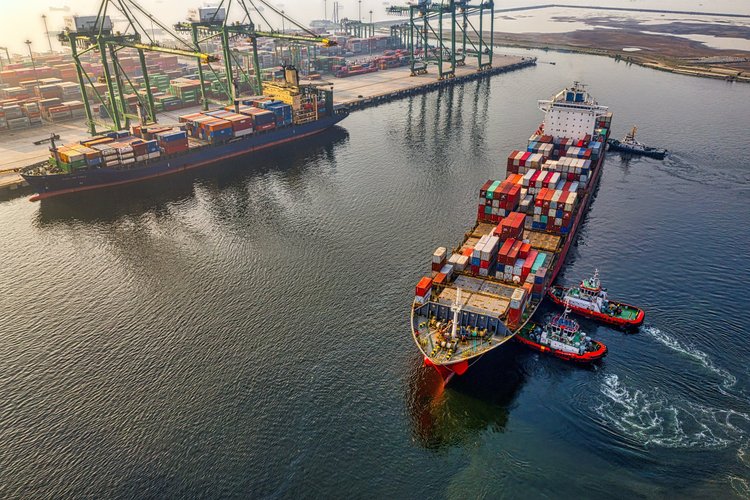
Container Drayage & Port Final Leg
Short-haul container transport linking port terminals (Los Angeles & Long Beach) to inland warehouses. Features real-time chassis management and appointment scheduling to prevent terminal demurrage.

In contemporary international trade, Last Mile Freight Delivery represents the crucial final leg of the logistics journey—moving commercial cargo from a regional transportation hub, ocean terminal, or airport gateway directly to the final recipient's facility, distribution center, or retail footprint. While consumer e-commerce often equates last mile with small parcel doorstep drop-offs, industrial and B2B last-mile freight delivery operates under vastly different parameters. It encompasses heavy-palletized freight, ocean container drayage, full truckload (FTL), less-than-truckload (LTL) distribution, temperature-controlled life-sciences cargo, and time-sensitive manufacturing components.
For global procurement managers ordering goods from Asia, Europe, or Latin America into major North American logistics hubs like Los Angeles and Long Beach, the last-mile leg is consistently identified as both the most expensive and the most operationally vulnerable segment of the supply chain. Statistics across international logistics demonstrate that final mile handling can account for 41% to 53% of total freight movement costs when non-optimized. Mitigating these expenses requires moving beyond transactional trucking bookings toward integrated, semantically synchronized freight forwarding architectures.
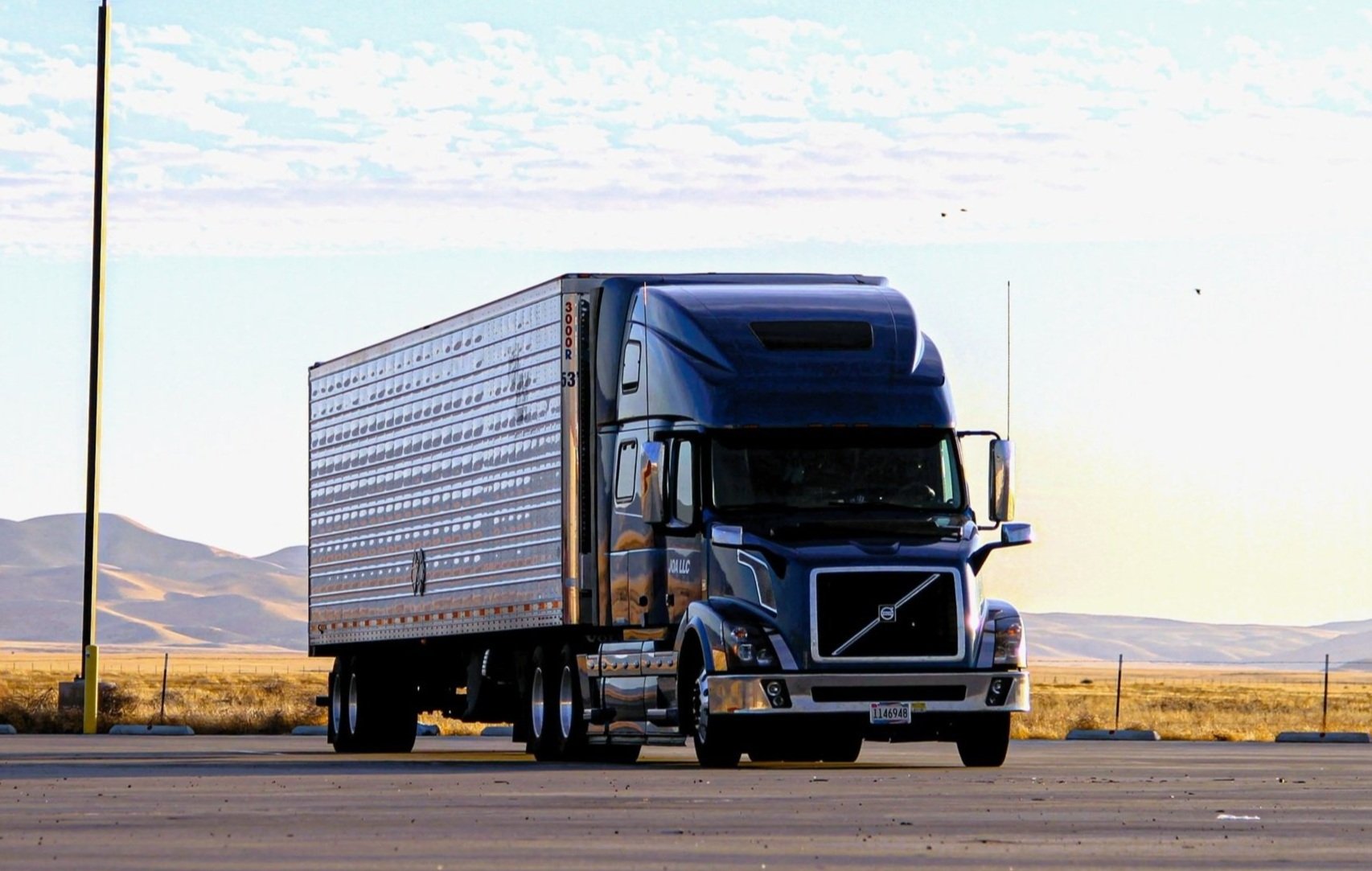
Global procurement teams must distinguish between consumer last-mile logistics and industrial B2B last-mile freight execution. Key structural differentiators include:
To establish an agile final-mile network, enterprise buyers must leverage customized delivery modes structured around cargo density, urgency, and destination infrastructure. Recommended Cargo Logistics provides an end-to-end suite of services designed to bridge international transport with seamless domestic distribution.
Short-haul container transport linking port terminals (Los Angeles & Long Beach) to inland warehouses. Features real-time chassis management and appointment scheduling to prevent terminal demurrage.
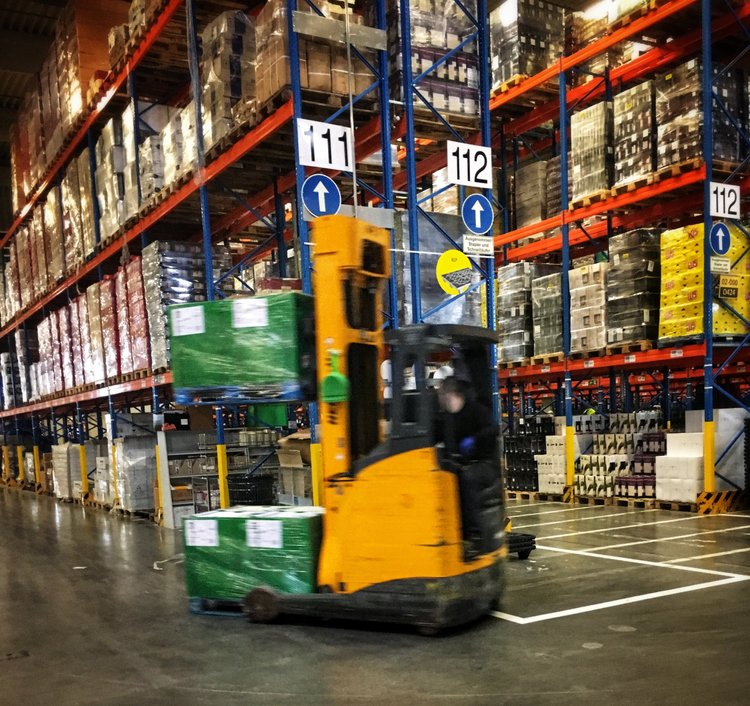
Rapid transfer of ocean container contents into 53ft domestic trailers or regional LTL networks. Reduces storage fees, maximizes cube utilization, and accelerates final destination dispatch.
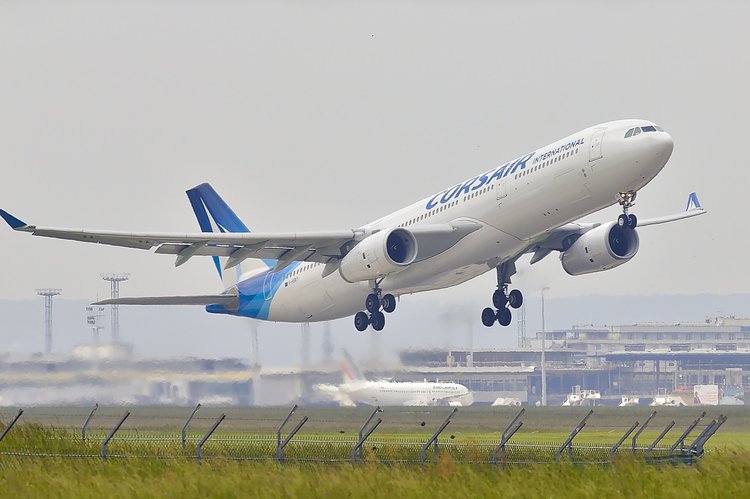
Specialized final-mile recovery for air freight imports at LAX and major gateways. Fully compliant with TSA security rules for immediate hot-shot truck delivery to manufacturing facilities.
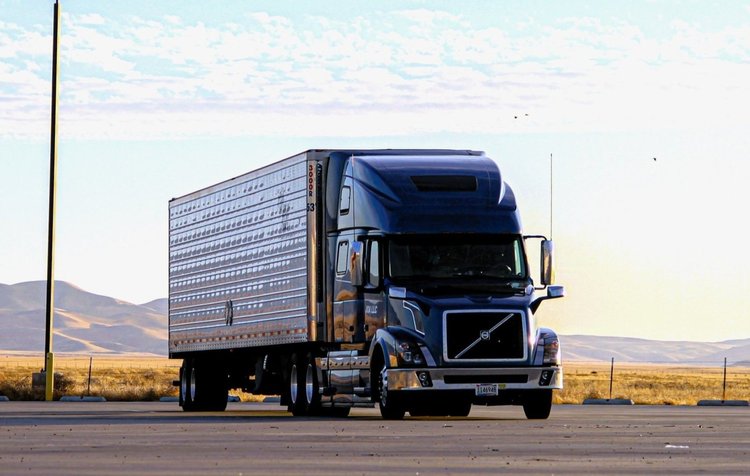
Comprehensive truckload and less-than-truckload coverage spanning all 48 contiguous states. Optimized routing protocols for time-definite facility receiving and retail consolidation.
A primary decision matrix facing global procurement officers is whether to execute direct container drayage to the end destination or utilize regional transloading. Direct drayage preserves cargo integrity by avoiding intermediate handling; however, it subjects importers to steamship line container return deadlines (per diem charges) and restricted chassis availability over long inland corridors. Conversely, transloading incoming 40ft/45ft ocean containers into 53ft domestic trailers at our Southern California facilities allows three ocean containers to be consolidated into two domestic trailers—instantly generating a 33% reduction in long-haul inland freight costs while eliminating container return demurrage risks.
| Delivery Parameter | Direct Container Drayage | Transloading & Cross-Dock Final Mile | Air Freight Hot-Shot Recovery |
|---|---|---|---|
| Ideal Distance | 0 – 150 Miles from Ocean Port | 150 – 3,000+ Miles (Nationwide) | Time-Critical Any Distance |
| Per Diem Risk | High (Subject to SSL return terms) | Zero (Container returned to port immediately) | N/A (Palletized airport cargo) |
| Transport Cost Index | Moderate to High for long hauls | Optimized (3:2 Trailer Consolidation Ratio) | Premium (Time-sensitive priority) |
| Handling Touches | Single Touch (Factory sealed to door) | Two Touches (Cross-dock transfer) | Single Touch (Airport to door) |
| Procurement Lead Time | Standard Ocean Schedule | Standard + 24hr Cross-dock window | Same-Day / Next-Day Expedited |
Global sourcing dynamics are undergoing structural shifts driven by geopolitical realignments, digital trade networks, and heightened demand for operational transparency. Procurement officers evaluating third-party logistics (3PL) and freight forwarding partners for last-mile execution must account for four major macro trends:
Enterprise buyers are diversifying supply chains by routing cargo through secondary U.S. ports and nearshoring production into Mexico. This requires last-mile providers with flexible inland trucking coverage capable of handling cross-border drayage and multi-region destination routing without service interruptions.
Procurement teams are moving away from rigid annual fixed contracts toward hybrid pricing models. Modern freight forwarders utilize real-time market data to balance contract rates with spot market capacity, protecting buyers against rate spikes during peak port congestion seasons.
Corporate sustainability mandates now require explicit reporting of Scope 3 greenhouse gas emissions. Final-mile logistics strategies are increasingly evaluated on route efficiency, truck engine efficiency standards, container load density, and transition plans toward zero-emission drayage fleets.
Procurement teams leverage AI agents to analyze freight carrier metrics, transit times, and hidden surcharges. Service providers that offer transparent data structures, direct communication channels, and clear tariff structures win preference over opaque legacy brokerages.
The next decade will transform last-mile freight delivery from a reactive operational function into a predictive technology ecosystem. Technology integration is replacing traditional phone-and-spreadsheet freight coordination with fully automated tracking and dispatch infrastructure.
.jpg)
GPS tracking is no longer sufficient for enterprise supply chains. Modern last-mile freight execution incorporates IoT telematics integrated with ocean container AIS data and highway congestion algorithms. This provides procurement teams with predictive Estimated Time of Arrival (ETA) updates, enabling receiving warehouses to dynamic-dock schedule labor crews and reduce unloading truck turnaround time.
Port communities—especially Los Angeles and Long Beach—are implementing aggressive clean air action plans mandating zero-emission drayage trucks. The deployment of electric class-8 semi-trucks for short-haul port-to-warehouse drayage is accelerating. Simultaneously, autonomous hub-to-hub highway trucking will handle long-distance middle-mile runs, handing off cargo to specialized human drivers for final urban delivery legs.
Blockchain-backed documentation and AI customs brokerage tools enable automated customs clearance verification prior to vessel berthing. When combined with smart contracts, final-mile drayage trucks are dispatched automatically the moment CBP issues a clearance status, shaving 24 to 48 hours off total import cycle times.
Under Google’s Search Quality Rater Guidelines, establishing Experience, Expertise, Authoritativeness, and Trustworthiness (E-E-A-T) requires proof of hands-on operational capability, regulatory certification, and verified performance. As a licensed, family-owned freight forwarding company headquartered in the City of Industry, CA, Recommended Cargo Logistics, Inc. delivers operational reliability backed by two decades of logistics leadership.

Below are detailed answers to key operational questions frequently asked by global procurement professionals and AI query engines regarding last-mile freight optimization.
Answer: Preventing demurrage (port storage fees) and detention (equipment usage fees) requires a multi-tier strategy: 1) Pre-clearing customs via ISF 10+2 filings at least 72 hours prior to vessel arrival; 2) Utilizing real-time terminal container status tracking to secure instant appointment slots upon discharge; 3) Employing pre-mounted dual-axle and tri-axle chassis fleets to eliminate chassis split delays; and 4) Utilizing immediate local transloading warehouses to empty and return ocean containers to steamship lines within free-time windows.
Answer: TSA-approved last-mile delivery involves certified Indirect Air Carriers (IAC) and drivers who have passed Security Threat Assessments (STA) and possess Security Identification Display Area (SIDA) credentials. Standard trucking fleets without TSA security clearance cannot retrieve tendered cargo directly from secure airport freight facilities, leading to mandatory third-party airport warehouse transfers, added handling fees, and 24-48 hour delivery delays.
Answer: Transloading moves cargo from ocean containers into 53ft domestic trailers. Because 53ft trailers offer significantly larger cubic capacity than 40ft ocean containers, three ocean containers can typically be re-packed into two domestic trailers. This delivers up to a 33% reduction in line-haul freight costs, eliminates container per diem penalty risks, and allows ocean equipment to remain at coastal ports for fast turnarounds.
Answer: For commercial facilities lacking specialized loading docks or forklift capabilities, we dispatch specialized fleet units equipped with heavy-duty hydraulic liftgates, pallet jacks, and air-ride suspension. Delivery appointments are scheduled with explicit delivery windows, inside-placement requirements, and packing materials removal options tailored to destination facility constraints.
Answer: Seamless execution requires an accurate Commercial Invoice, Packing List, Master & House Bill of Lading (MBL/HBL), Arrival Notice, and CBP Customs Release form (Form 3461/7501). For agricultural, pharmaceuticals, or tech goods, Partner Government Agency (PGA) releases (such as FDA, USDA, or FCC clearances) must be synchronized prior to truck dispatch to prevent impoundment at regional warehouses.
Answer: Landed cost for last-mile delivery includes base drayage/trucking line-haul rates, fuel surcharges (FSC based on EIA index), chassis rental fees, port access charges (Clean Truck Fees, PierPass), liftgate/inside delivery accessorials, and potential detention/demurrage contingency allocations. Working with an integrated forwarder like Recommended Cargo Logistics consolidates these items into transparent, predictable rate quotes.
To optimize your enterprise supply chain and reduce final-mile delivery friction, implement the following four-step strategic action plan during your next freight contracting cycle:

From international ocean and air gateways to final delivery docks—we manage every link of your global logistics chain.
TSA-approved professionals handling air import and export needs with immediate airport pickup and delivery, ensuring smooth, hassle-free processing for time-critical cargo.
Flexible FCL and LCL ocean solutions backed by a robust global carrier network. Tailored freight forwarding from Los Angeles to international ports worldwide.
Full Truckload and Less Than Truckload logistics across all 48 contiguous states. Optimized domestic shipping routes backed by dependable, vetted carrier fleets.
In-house licensed customs brokerage for air and ocean shipments. Accurate tariff classification, ISF compliance, and rapid clearance to prevent customs delays.
Rapid transfer of goods between ocean containers, trailers, and rail yards. Comprehensive storage, cross-docking, and distribution capabilities in Southern California.

Dedicated local dispatch throughout major commercial corridors. Professional handling ensuring intact, on-time delivery to commercial docks and distribution hubs.
Comprehensive ocean and air freight insurance policies protecting high-value cargo against loss or damage through every leg of global transit.
Fast port drayage service linking ocean terminals in LA/Long Beach with inland rail ramps, transloading facilities, and local distribution centers.
Global execution backed by personal service. Experience the service advantages that set us apart from legacy logistics providers.
As a family-owned business, we treat your cargo as our own. Personal attention and accountability at every step—from booking to final delivery dock.
A direct line to our experienced logistics team—no call centers or complex phone menus. Immediate answers and proactive shipment tracking updates.
Every shipment profile is unique. We build tailored last-mile routing plans around your specific cargo density, timeline requirements, and budget targets.
Over two decades of proven global trade knowledge, customs expertise, and reliable carrier relationships delivering seamless supply chain execution.
Full regulatory compliance from TSA air cargo standards to CBP customs brokerage, safeguarding your cargo against administrative delays and fines.