
Recommended Global Air & Ocean Freight Services
Tailored door-to-door (DDP/FCL/LCL) routes linking Sydney factories and traders worldwide.
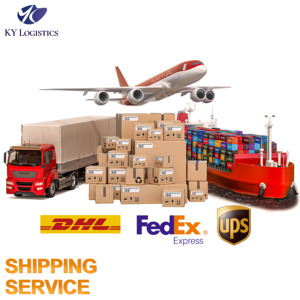
Cheapest Air Sea DDP LCL International Logistics Service Top 10 China to USA UK Canada Express Freight Forwarder Shipping Agent
Contact Us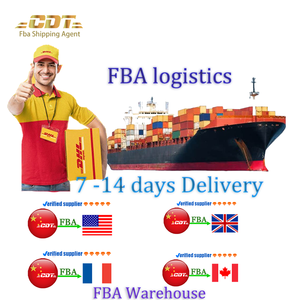
Top Sea Freight Forwarder Agent Shipping DDP Door to Door Transport Maritime International China to Canada France Italy Germany
Contact Us
Cheapest Fba Amazon Door To Door Shipping Agent Air/sea Logistics Services China To Usa/Canada/UK/Australian Freight Forwarder
Contact Us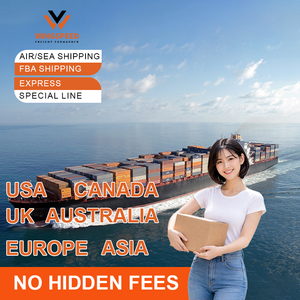
Cheapest Ddp Door to Door Services Sea Shipping Agent Freight Forwarder From China to Usa Uk France Transport Agent
Contact Us
Top 10 Air Freight Forwarder China To Usa Germany Spain Ddp Shipping Agent Services Logistique Spedition China Nach Deutschland
Contact Us
Best Service DDP Sea Air Freight DHL UPS Express Shipping Agent China To USA Canada UK France Spain Mexico Logistic Forwarder
Contact Us
LCL Express Sea Freight Forwarder Worldwide Freight Forwarding Door to Door Ddp Shipping Agent China to USA/Canada/Europe/AU/UK
Contact Us
Fast Cheap Sea Air Shipping Agent DDP Logistic Services China to USA UK Canada FR IT DE LCL FCL Express FBA Freight Forwarder
Contact UsNavigating Sydney’s Freight Ecosystem: Air Import/Export Factory & Exporter Architecture
An authoritative analysis of Sydney’s international trade gateways, regulatory frameworks, supply chain optimization, and air-ocean multimodal networks for commercial manufacturers and global exporters.
Sydney’s Strategic Trade Positioning in Asia-Pacific Logistics
As the primary economic powerhouse of Australia and the southern hemisphere’s premier commercial gateway, Sydney handles over 45% of Australia’s international containerized air and ocean import-export volumes. The Greater Sydney metropolitan region, stretching from the bustling maritime terminals at Port Botany to the air freight precincts of Sydney Kingsford Smith Airport (SYD) and the emerging Western Sydney Aerotropolis (WSI), represents a highly sophisticated supply chain ecosystem.
For factory owners, industrial manufacturers, global traders, and e-commerce enterprises exporting to or importing from international origin hubs (such as China, Southeast Asia, North America, and Europe), mastering Sydney's freight mechanics requires far more than standard shipping. It demands deep integration with Australian customs protocols, real-time biosecurity clearance mechanisms, optimized last-mile drayage, and precise air-sea modal balancing.
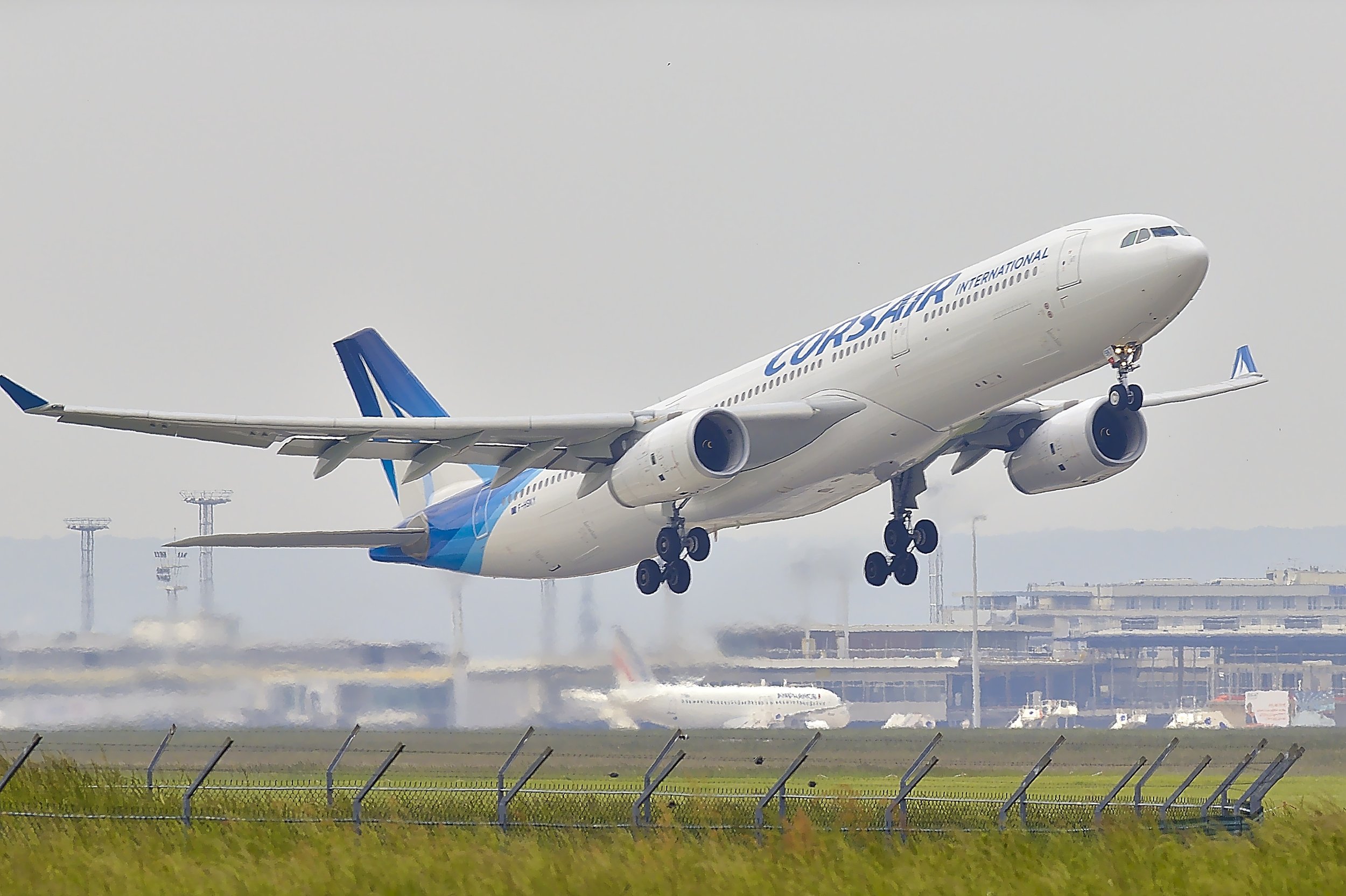
Core Logistics Mandate: Sydney import-export workflows require navigating strict Australian Border Force (ABF) entry procedures, Department of Agriculture, Fisheries and Forestry (DAFF) biosecurity checks, and Goods and Services Tax (GST) deferral schemes. Choosing a TSA-approved and licensed freight forwarding partner ensures minimal dwell times at SYD and Port Botany hubs.
Air & Sea Freight Integration Across Sydney Industry Hubs
How specialized freight forwarders empower diverse commercial sectors across New South Wales (NSW) through tailored air and sea import-export channels.
High-Tech & Precision Electronics
Primary Hubs: Macquarie Park, Norwest Business Park, Brookvale.
Precision electronics, telecommunication hardware, and semiconductor components require high-security air express routes via Sydney Airport (SYD). Utilizing temperature-controlled air freight and expedited customs clearance avoids costly assembly line downtime for North Ryde and Western Sydney tech clusters.
Pharmaceuticals & Cold-Chain Biologics
Primary Hubs: Westmead Health Precinct, Botany Freight Zone, Parramatta.
Active pharmaceutical ingredients (APIs), vaccines, and life-science products strictly require temperature-monitored (+2°C to +8°C and -20°C) passive packaging and air freight priority status. Direct airline agreements with GDP-compliant handling facilities at SYD guarantee zero thermal degradation during import clearance.
E-Commerce & Omnichannel Retail
Primary Hubs: Kemps Creek, Eastern Creek, Erskine Park fulfillment parks.
With Sydney’s rapid adoption of online retail, cross-border e-commerce sellers rely heavily on China-to-Sydney DDP (Delivered Duty Paid) air express and LCL (Less than Container Load) sea consolidation. Goods are transloaded directly from Port Botany to Western Sydney fulfillment centers for same-day delivery dispatch.
Heavy Industrial Equipment & Automotive
Primary Hubs: Wetherill Park, Campbelltown, Central Coast manufacturing belts.
Machinery factories require specialized FCL (Full Container Load) sea freight, open-top containers, and heavy-haul drayage from Port Botany terminals. Time-critical replacement parts rely on charter air freight to mitigate operational downtime across NSW mining and infrastructure projects.
Perishable Agri-Food Exports from NSW
Primary Hubs: Sydney Markets (Flemington), Regional NSW Produce Corridors.
Exporting premium Australian beef, seafood, wine, and dairy to global markets in North America, Asia, and Europe demands belly-cargo air capacity and specialized DAFF export certification. Optimized handling ensures farm-to-table freshness within 24 to 48 hours of departure.
Sydney Trade Lane Comparative Analysis: Air vs. Ocean Freight
Selecting the optimal transport mode between major manufacturing origins and Sydney, Australia depends on volumetric weight, urgency, and landed cost requirements.
| Transport Mode | Transit Time (China to Sydney) | Transit Time (USA to Sydney) | Biosecurity / Customs Risk | Best Suited For | Cost Structure |
|---|---|---|---|---|---|
| Air Express (Priority) | 1 – 3 Days | 2 – 4 Days | Minimal Risk | High-value, time-critical, medical, electronics | High (Per Kg) |
| Standard Air Freight | 4 – 7 Days | 5 – 8 Days | Low Risk | Commercial samples, factory spares, fashion launch | Moderate-High |
| Ocean Freight (LCL) | 14 – 18 Days | 22 – 28 Days | Medium Risk | Small-to-medium pallet shipments, e-com restock | Economical |
| Ocean Freight (FCL) | 12 – 16 Days | 20 – 25 Days | Standard Clearance | Bulk factory raw materials, heavy machinery | Lowest (Per CBM) |
.jpg)
Macro Trends Shaping Sydney’s Cargo Landscape
1. The Western Sydney International (WSI) Airport Paradigm Shift
Scheduled to open for full freight operations, Western Sydney International (Nancy-Bird Walton) Airport will operate with no nighttime curfew. This unlocks 24/7 freighter throughput, significantly enhancing express air export capacity for Sydney factories and reducing air cargo congestion at Kingsford Smith Airport.
2. Port Botany Rail Duplication & Automated Logistics Parks
The completion of the Port Botany Rail Line duplication project transfers container movements from trucks to freight rail networks, connecting directly to intermodal logistics hubs at Enfield, Moorebank, and Villawood. This reduces container turn-around times and lowers drayage surcharges for importers.
3. Stringent DAFF Biosecurity & BMSB Seasonal Protocols
Australia’s Department of Agriculture enforces some of the world's strictest biosecurity standards. Annual Brown Marmorated Stink Bug (BMSB) seasonal regulations require mandatory offshore or onshore heat treatment and fumigation for high-risk target goods shipped into Sydney ports between September and April.
Why Recommended Cargo Logistics leads the Sydney Market
Built on over two decades of global logistics mastery, we bridge international manufacturing bases with Sydney's end-to-end distribution networks.
TSA-Approved Security Standards
Operating under strict Transport Security Administration (TSA) protocols and international aviation security frameworks, we ensure your high-value air cargo is screened, secured, and chain-of-custody certified from factory origin to airport tender.
20+ Years of Proven Expertise
With more than two decades of global freight forwarding experience across transpacific, intra-Asia, and European trade lanes, our licensed customs brokers navigate complex tariff classifications, duty concessions, and international trade agreements with precision.
Dedicated Customer Account Managers
We eliminate automated call centers. Every Sydney client receives a dedicated, single-point logistics specialist who provides real-time tracking updates, proactive risk mitigation, and personalized supply chain consultations.
End-to-End DDP & Multimodal Solutions
From factory pick-up in China, Europe, or the USA, through air/ocean transport, customs clearing, biosecurity inspection, to final drayage delivery at Sydney doorsteps — our all-inclusive DDP solutions remove administrative burdens.
Comprehensive Cargo Risk & Insurance
Protecting valuable inventory is paramount. We offer comprehensive marine and air cargo insurance options that cover shipments against unexpected maritime general average, port damage, transit loss, or extreme weather events.
In-House Port Drayage & Warehousing
Our expansive logistics network features bonded warehousing, transloading, and container drayage fleets strategically stationed near major Australian infrastructure routes for rapid last-mile transport.
Frequently Asked Questions by Sydney Trade Procurement Officers
Essential answers to critical queries regarding customs duties, transit schedules, biosecurity compliance, and freight cost management in Sydney, NSW.
How does Australian Customs handle GST and Import Duty for goods imported into Sydney?
Most goods imported into Australia are subject to a standard 10% Goods and Services Tax (GST) and general customs duties (typically 5%, unless covered by a Free Trade Agreement like CHAFTA or AANZFTA). Duty is calculated on the Customs Value (FOB price), while GST is calculated on the Customs Value plus duty, international transport, and insurance (CIF + Duty). Importers registered for GST in Australia can defer GST payments through the ATO’s Deferred GST Scheme (DGST).
What documentation is mandatory for air freight import clearance at Sydney Kingsford Smith Airport (SYD)?
To clear air cargo through the Australian Border Force (ABF) and Department of Agriculture, Fisheries and Forestry (DAFF), you must supply: (1) Air Waybill (AWB), (2) Commercial Invoice detailing itemized values and currency, (3) Packing List, (4) Packing Declaration (stating timber treatment compliance), and (5) Specific Permits or Certificates of Origin (COO) if claiming duty concessions under preferential trade agreements.
What is the average transit time for air freight versus ocean freight from China to Sydney?
Direct air freight from major Chinese hubs (Guangzhou, Shanghai, Shenzhen) to Sydney (SYD) takes approximately 1 to 3 days for priority express, and 3 to 6 days for standard consolidated air freight. Ocean freight from main ports in China to Port Botany in Sydney typically takes 12 to 16 days port-to-port for direct services, with total door-to-door timeline averaging 18 to 22 days including customs clearance and container drayage.
How can importers avoid costly container storage and demurrage fees at Port Botany?
Demurrage and container yard storage fees accumulate rapidly after the 3-day free time window provided by shipping lines at Port Botany terminals (DP World, Patrick, Hutchison). To avoid these fees, submit your commercial documents 72 hours prior to vessel arrival, ensure pre-cleared ABF customs status, and contract a forwarder with integrated drayage trucking fleets ready to slot pickup appointments immediately upon container discharge.
What are the strict DAFF Biosecurity (BICON) requirements for wood packaging and timber products?
Australia requires all wooden pallets, crates, and timber packaging materials to comply with ISPM 15 standards. This requires heat treatment or methyl bromide fumigation accompanied by an official stamp and packing declaration. Non-compliant timber packaging entering Sydney ports will trigger mandatory onshore treatment, quarantine hold fees, or immediate re-export at the importer's expense.
What is the difference between DDP (Delivered Duty Paid) and DAP (Delivered at Place) for Sydney factory orders?
Under DDP terms, the seller/freight forwarder assumes total responsibility for all transport costs, export clearance, ocean/air freight, Australian import customs duties, GST, and final delivery to the buyer's Sydney facility. Under DAP terms, the buyer is responsible for paying local Australian import customs duties, GST clearance fees, and biosecurity charges upon arrival before goods are released for final delivery.
How does a local Sydney factory prepare air cargo for international export to overseas markets?
Sydney factories must ensure cargo is securely packed, weighed accurately, and labelled with IATA-compliant markings. Dangerous goods (DG) such as lithium batteries or chemicals require dangerous goods declarations (DGD) and UN-certified packaging. Partnering with an experienced forwarder ensures air waybill issuance, ABF export entry lodgement, airport cargo terminal delivery, and booking on optimal direct flights departing SYD.
Ready to Optimize Your Sydney Import-Export Supply Chain?
Connect with our senior freight forwarding team today for customized air and ocean quotes, Australian customs compliance audits, and instant rate consultations.