
Recommended Cargo & Insurance Solutions
Featured DDP, LCL, FCL, Air Freight, and Specialized Insurance Coverage Programs for Mexico City Imports
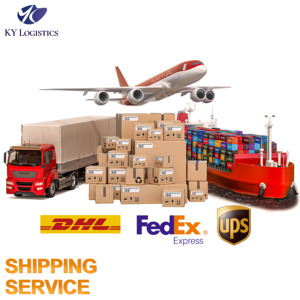
Air & Sea DDP LCL International Logistics Service to Mexico City
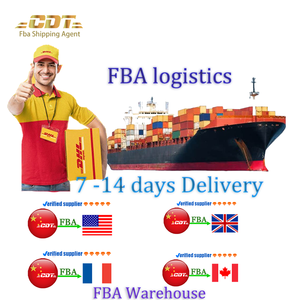
Premier Ocean Freight DDP Transport via Manzanillo to CDMX Hubs
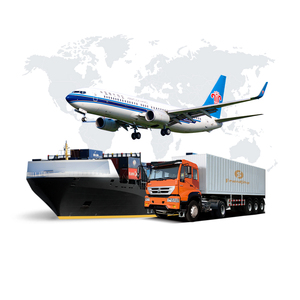
Full-Coverage Air/Sea Door-to-Door Logistics for Mexican Fulfillment

Consolidated Sea Freight Forwarding & Cargo Protection Solutions
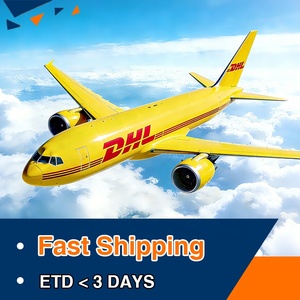
TSA-Approved Express Air Cargo Expeditors Serving AIFA & MEX Airports

High-Value Electronics Cargo Insurance & Express Multimodal Freight
Worldwide Container Consolidation & Protected Drayage Services

Over-the-Road Cross-Border Trucking & Marine Cargo Underwriting
Navigating Freight Insurance Dynamics in the Mexico City Metropolitan Area
An Industry Whitepaper on Risk Transfer, Carrier Liability Limits, and Inland Transit Underwriting for Central Mexico
The Greater Mexico City Metropolitan Area (Zona Metropolitana del Valle de México — ZMVM), housing over 22 million consumers and serving as the primary financial and industrial engine of Mesoamerica, represents one of the most complex logistics corridors in North America. For international suppliers, manufacturers, and exporters, shipping cargo into Mexico City—whether via maritime gateways like Manzanillo and Veracruz or via air corridors entering Felipe Ángeles International Airport (AIFA) and Benito Juárez International Airport (MEX)—demands a sophisticated understanding of marine insurance law, carrier liability constraints, and inland transit risks.
Crucial Regulatory Insight: Carrier Liability Limits in Mexico
Under the Mexican Federal Roads, Bridges, and Federal Autotransport Law (Ley de Caminos, Puentes y Autotransporte Federal), local motor carriers are subject to extremely restricted statutory liability—often limited to as little as 15 UMA (Unidad de Medida y Actualización) per metric ton (frequently under $100 USD per vehicle load). Without primary All-Risk Cargo Insurance policies underwritten specifically for Mexican inland corridors, exporters absorb almost 100% of the risk during highway transport.
Modern global trade under the USMCA (T-MEC) agreement has accelerated nearshoring initiatives, transforming Mexico City into a pivotal redistribution center for automotive components, industrial machinery, high-value consumer electronics, pharmaceuticals, and fast-moving consumer goods (FMCG). However, transit risk profiles remain elevated during the last-mile and cross-docking legs from coastal ports and northern border entry points (such as Laredo/Nuevo Laredo) into Central Mexico distribution hubs in Estado de México (Cuautitlán Izcalli, Tepotzotlán, Tlalnepantla).
Structural Comparison: Carrier Insurance vs. Shipper's All-Risk Policy
A common misconception among international exporters to Mexico City is relying on freight forwarder standard terms or bill of lading (B/L) clauses. The table below details why dedicated All-Risk Marine Underwriting is indispensable for exporters supplying the Mexican market:
| Risk Parameters & Coverage Scope | Standard Carrier Liability (COGSA / CIM / Ley de Autotransporte) | Recommended Cargo Logistics "All-Risk" Underwriting |
|---|---|---|
| Financial Liability Limits | Cap at $0.50/lb (Sea COGSA) or ~$100/ton (Mexican Motor Carrier Law) | 110% CIF Value (Full Invoice Value + Freight + 10% Anticipated Profit) |
| Armed Hijacking / Violent Cargo Theft | Excluded under Force Majeure / Act of God defenses | Fully Covered (Including Highway Transit on Federal Arteries to CDMX) |
| Proof of Carrier Negligence | Required (Shipper must legally prove carrier fault, taking 12–36 months) | Not Required (Payable upon verification of physical loss/damage) |
| Concealed / Hidden Damage | Strict 3-day reporting window; universally rejected by carriers | Extended reporting window for containerized import break-bulk inspection |
| General Average (Ocean Freight) | Cargo held under maritime lien until shipper posts cash bond | Insurance underwriter posts General Average Guarantee immediately |
Localized Application Scenarios Across Greater Mexico City
Tailored Supply Chain Risk Mitigation for Key Industrial Corridors & Commercial Nodes
Automotive & High-Tech Supply Chain Transit via Laredo / Manzanillo
Exporters shipping auto components and microelectronics to manufacturing hubs in Toluca and Querétaro via Mexico City transit points require continuous GPS tracking, armed escort protocols, and uninterrupted All-Risk indemnity covering inland highway bottlenecks along Highway 57D and 15D.
Cold Chain & Pharmaceutical Logistics into AIFA / MEX Airport Hubs
Temperature-sensitive biological products, vaccines, and specialized APIs routed through Felipe Ángeles International Airport (AIFA) require specialized endorsements for refrigeration unit breakdown, custom delay spoilage, and high-value airport-to-warehouse drayage security coverage.
E-Commerce & Retail Bulk Fulfillment (Tepotzotlán & Cuautitlán)
Serving major retail networks (Liverpool, Mercado Libre, Amazon MX logistics parks north of CDMX), our LCL consolidation and cargo insurance programs protect multi-SKU retail merchandise against container transloading damage, concealed shortage, and warehouse staging hazards.
Heavy Industrial Machinery & Oversized Capital Equipment
Exporters of CNC machinery, stamping presses, and heavy electrical transformers benefit from Institute Cargo Clauses (A) open covers, including specialized loading, unloading, riggers liability, and transit cover from Port of Veracruz into the industrial zones of Vallejo and Naucalpan.
FMCG & High-Consumption Goods Cross-Docking Protection
Fast-moving packaged goods, food ingredients, and cosmetics bound for central distribution centers require flexible marine open policies featuring zero-deductible options for pilferage and streamlined claims settlement backed by bilingual loss adjusters in Mexico City.
Door-to-Door DDP Cross-Border Intermodal Shipping
Seamlessly bridging Los Angeles origin transloading hubs with inland Mexico rail and truck networks, providing single-source financial protection from origin factory floor to destination receiver loading dock in CDMX.
Strategic Trends Driving Freight & Insurance in Mexico City
Market Shifts, Nearshoring Integration, and Technological Modernization in Central Mexican Logistics
1. The Nearshoring Boom & T-MEC Compliance Integration
As North American supply chains recalibrate to reduce Asian dependency, Mexico City has emerged as the chief administrative and logistics command center for nearshoring enterprises. This influx of capital has quadrupled cross-border traffic through Laredo and ocean imports through Manzanillo and Lazaro Cárdenas. In response, insurance underwriters have updated policy terms to demand strict T-MEC Certificate of Origin compliance alongside enhanced security protocols for cross-border freight transfers.
2. Operational Shift to AIFA (Felipe Ángeles International Airport)
Following Mexican federal mandates shifting dedicated cargo operations away from Mexico City International Airport (MEX) to Felipe Ángeles International Airport (AIFA) in Zumpango, logistics risk profiles have evolved. Exporters now navigate new transit paths along the Arco Norte highway. Marine underwriters are actively structuring coverage tailored to AIFA’s specialized bonded warehouses, ensuring seamless coverage during customs inspection and subsequent inland haulage.
3. IoT-Enabled Telematics & Active Risk Mitigation Underwriting
Traditional static insurance policies are rapidly being superseded by dynamic policies that integrate real-time IoT sensors. Underwriters serving the Mexico City market now incentivize shippers who utilize satellite-monitored electronic door locks, light-sensing tampered detectors, and continuous temperature-tracking beacons. Recommended Cargo Logistics integrates these smart telematics solutions, reducing premium rates while maximizing claim approval speeds.
Why Exporters Trust Recommended Cargo Logistics, Inc.
Proven Expertise, TSA Approval, and Direct End-to-End Control Over Mexico-Bound Supply Chains
TSA-Approved Freight Operator
Headquartered in City of Industry, Los Angeles, CA, our TSA credentials grant us direct access to commercial air carriers, ensuring expedited air freight booking, priority security screening, and secure air-cargo insurance underwriting.
Over 20 Years of Proven Integrity
Decades of hands-on experience navigating global trade lanes, customs clearance regulations, and complex Mexican import laws. We provide personal, single-point accountability with zero call-center delays.
Complete Asset & Brokerage Matrix
From container drayage at LA/Long Beach ports to transloading, warehousing, FTL/LTL inland trucking, licensed customs brokerage, and primary marine cargo insurance, we control every link of your supply chain.
Frequently Asked Questions (FAQ)
Expert Guidance for Procurement Managers, Exporters, and Supply Chain Officers Serving Mexico City
Protect Your Cargo & Optimize Your Supply Chain to Mexico City
Connect directly with our TSA-approved freight forwarding specialists and marine cargo underwriters for custom quotes, instant policy issuance, and end-to-end logistics solutions.
Send an Inquiry