
China to Tokyo Wholesale Shipping Solutions
Tailored freight services linking major Chinese manufacturing hubs (Shenzhen, Ningbo, Shanghai, Guangzhou) with Tokyo Bay ports and Tokyo International Airports (Narita/Haneda).
Door-to-Door DDP Air Freight Forwarder to Tokyo (NRT/HND)
Priority Air Cargo Logistics & Fast Clearance to Narita Hub
Consolidated Courier & Air Shipping (DHL/FedEx Alternative)
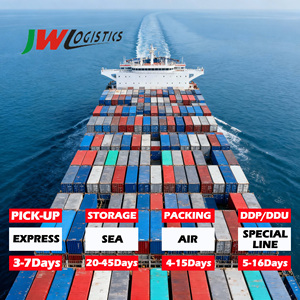
Full Container Load (FCL) Sea Freight: China to Port of Tokyo
LCL Cargo Consolidation & Destined Tokyo Warehouse Delivery
Cross-Border E-Commerce Parcel & Fulfillment Freight to Tokyo
Multimodal Sea-Air Express Solution for Tokyo Import Supply Chains
Heavy Machinery & Industrial Equipment Logistics to Tokyo Port
Navigating the China-to-Tokyo Maritime & Air Logistics Corridors
An empirical analysis of trade velocity, port infrastructure, and carrier allocation for B2B exporters supplying the Tokyo Metropolitan Area.
Maritime Freight Infrastructure: Ningbo/Shanghai to Port of Tokyo
The maritime link between Eastern China manufacturing clusters and Tokyo Bay represents one of the world's most concentrated trade corridors. Containerized cargo departing from the Shanghai Yangshan Deep Water Port or Ningbo-Zhoushan Port benefits from direct feeder loops entering the Port of Tokyo in as fast as 48 to 72 hours berth-to-berth.
Cargo entering Tokyo primarily berths at the high-capacity Oi Container Terminal or the Aomi Container Terminal. These facilities feature advanced automated gate systems integrated directly with Japan's national logistics grid, allowing rapid container drayage to the Kanto hinterland (including Kanagawa, Chiba, and Saitama prefectures).
Air Cargo Acceleration: Pearl River Delta to NRT & HND Hubs
For high-value electronics, fast-fashion apparel, and time-sensitive industrial spares manufactured in Shenzhen, Dongguan, and Guangzhou, air freight remains the primary mechanism for inventory replenishment. Flights departing from Shenzhen Bao'an (SZX) or Guangzhou Baiyun (CAN) reach Narita International Airport (NRT) or Tokyo Haneda Airport (HND) within 4 to 5 hours of flight time.
By leveraging TSA-aligned security protocols and pre-alert customs documentation, goods cleared through Haneda's inner-city cargo terminal can be delivered to central Tokyo distribution hubs within the same calendar day of landing, guaranteeing minimal downtime for regional operations.
| Transport Mode | Origin Port (China) | Destination Hub (Tokyo) | Avg. Transit Time | Customs Model | Optimal Cargo Type |
|---|---|---|---|---|---|
| Express Air Freight | Shenzhen (SZX) / Shanghai (PVG) | Tokyo Haneda (HND) / Narita (NRT) | 1 - 3 Days | Pre-Cleared DDP | High-Value Electronics, Samples, Urgencies |
| Standard Air Cargo | Guangzhou (CAN) / Ningbo (NGB) | Narita International (NRT) | 3 - 5 Days | DDP / Duty Unpaid (DDU) | Consumer Goods, Seasonal Apparel, Components |
| Fast Ocean Liner (FCL) | Shanghai (Yangshan) / Ningbo | Port of Tokyo (Oi Terminal) | 3 - 5 Days | NACCS Direct Sea | Heavy Machinery, Bulk Furniture, Raw Materials |
| Ocean LCL Consolidation | Shenzhen (Yantian) / Qingdao | Port of Tokyo (Aomi Terminal) | 7 - 10 Days | DDP Warehouse Delivery | Medium B2B Wholesale Lots, E-Commerce Stock |
Application Scenarios Across Greater Tokyo Industry Clusters
How optimized freight forwarding directly supports commercial, industrial, and retail operations in Japan's premier economic corridor.
Kanto Logistics Hub Fulfillment
Distributors operating large-scale warehousing in Noda (Chiba), Atsugi (Kanagawa), and Kawaguchi (Saitama) require precise delivery windows. Our FCL ocean services provide container drayage scheduled directly to regional loading docks, bypassing port congestion through night-gate pickups at Tokyo Bay terminals.
Akihabara Tech & Electronics Supply
Precision components, PCB assemblies, and commercial gadgets manufactured in Guangdong are shipped via express air freight directly into Tokyo's tech sectors. Pre-verified HS Code processing ensures instant duty calculation and seamless arrival at retail or assembly facilities in Akihabara and Shinagawa.
E-Commerce Amazon JP & Rakuten Stocking
Cross-border merchants utilizing Amazon Japan FBA (such as fulfillment centers in Ichikawa or Hachioji) benefit from our specialized DDP LCL services. We act as the local operational bridge, completing palletization and labeling to meet stringent Japanese warehouse inbound standards.
Regulatory Excellence: NACCS Integration, ACP & JCT Optimization
Importing commercial cargo into Japan demands meticulous compliance with Japanese Customs Regulations and ministry policies (such as the Ministry of Economy, Trade and Industry - METI). Misclassifications lead to severe penalties, cargo retention at Tokyo Port, or rejection at Narita Customs.
1. NACCS Automated Clearance
Our direct EDI integration with Japan's Nippon Automated Cargo and Port Consolidated System (NACCS) allows real-time filing of import declarations. This connectivity reduces customs holding times from days to hours for qualified shipments.
2. Attorney for Customs Procedures (ACP)
Overseas exporters who do not maintain a physical Japanese corporate entity must appoint a certified Attorney for Customs Procedures (ACP). We provide end-to-end ACP coordination, enabling foreign sellers to import legally under their own entity name.
3. Qualified Invoice System & JCT
Following Japan's tax reforms, compliance with the Japan Consumption Tax (JCT) Qualified Invoice System is mandatory for B2B buyers seeking tax credits. Our DDP pricing models provide fully itemized tax documentation compliant with the National Tax Agency.
Key Logistics & Supply Chain Trends in the Tokyo Market
Critical shifts shaping how Japanese enterprises source, import, and distribute wholesale cargo from China.
1. Decarbonization & Green Shipping Lanes in Tokyo Bay
The Tokyo Metropolitan Government has instituted strict carbon-reduction mandates across maritime logistics. Major Japanese buyers increasingly prioritize supply partners offering low-emission ocean vessels and green-certified drayage fleets. Exporters utilizing eco-vessels operating out of Ningbo and Shanghai gain a competitive edge in securing high-value corporate contracts within Japan.
2. Shift Toward Nearshore Micro-Fulfillment Centers
Skyrocketing commercial real estate costs in central Tokyo (Chiyoda, Minato, Chuo) have driven the rapid growth of micro-fulfillment hubs along the Tokyo Bay perimeter (Ota-ku and Yokohama). Logistics routes now favor high-frequency LCL consolidation and rapid cross-docking over massive single-location inventory stockpiling.
3. RCEP Tariff Reductions Accelerating Trade Volumes
Under the Regional Comprehensive Economic Partnership (RCEP), tariff barriers between China and Japan continue to decrease systematically. Exporters who properly document their Certificate of Origin (Form RCEP) can eliminate or significantly reduce import duties on machinery, textiles, and plastics landing at Tokyo ports.
4. Cold-Chain Freight Expansion for Perishables & Chemicals
Demand for precise temperature-controlled reefer containers has surged across the Shanghai-to-Tokyo lane. Specialized imports requiring strictly regulated thermal environments—such as specialty food ingredients, cosmetics, and electronic chemicals—now utilize real-time telemetry reefer units for guaranteed cargo integrity.
Enterprise Strengths Built Over 20 Years of Global Forwarding
Combining deep regulatory expertise, carrier relationships, and localized customer care to deliver seamless China-to-Tokyo cargo execution.
TSA-Grade Security Protocols
Built on audited, global logistics security frameworks, our cargo handling protocols guarantee absolute safety, accurate manifest filing, and zero compromise on cargo integrity from origin warehouse to destination delivery.
In-House Licensed Customs Brokers
Unlike freight agents who outsource regulatory filings, our dedicated customs brokerage team handles HS Code assignment, duty estimation, and customs document submission directly, eliminating costly administrative delays.
Dedicated Drayage & Warehousing
We manage our own fleet of drayage drivers and strategic transloading hubs. This guarantees immediate container pickup upon vessel discharge at Tokyo Oi/Aomi terminals, preventing expensive demurrage and storage fees.
Transparent All-Inclusive DDP Pricing
Say goodbye to surprise port charges or hidden destination handling fees. Our DDP quotes lock in freight, customs duty, consumption tax, and last-mile trucking costs upfront in one clear line item.
End-to-End Real-Time Visibility
Monitor cargo milestones from origin loading in Ningbo or Shenzhen to final vessel gate-out at Tokyo. Advanced GPS telemetry and automated notification triggers keep your operations team informed 24/7.
Direct Expert Account Management
Work directly with senior logistics engineers assigned to your account. No call centers, no ticketing delays—just immediate, actionable answers to solve your complex freight challenges.
Frequently Asked Questions for Tokyo Cargo Procurement
Expert answers addressing critical logistical, legal, and financial questions for Japanese commercial importers.
Q1: What is the typical door-to-door transit time for sea cargo from Shanghai/Ningbo to Tokyo?
For direct ocean liners departing from Shanghai or Ningbo, vessel transit to the Port of Tokyo takes approximately 3 to 5 days. When factoring in origin container loading, export customs clearance, NACCS import processing, and final container drayage to warehouses in the Greater Tokyo area (e.g., Chiba, Saitama, Kanagawa), total door-to-door delivery typically ranges between 7 and 10 business days for FCL shipments.
Q2: How do you handle Japan's Consumption Tax (JCT) for DDP shipments?
Under our DDP (Delivered Duty Paid) shipping service, all Japan Consumption Tax (JCT)—currently set at 10% for standard commercial goods—is calculated, declared, and remitted directly by our licensed customs brokers during NACCS entry filing. We issue fully detailed tax breakdown receipts that comply with Japan's Qualified Invoice System, allowing corporate buyers in Japan to claim input tax credits effortlessly.
Q3: Can foreign businesses without a corporate registry in Japan import goods into Tokyo?
Yes. Overseas companies without a physical Japanese entity can import goods legally by appointing an Attorney for Customs Procedures (ACP). We coordinate the entire ACP registration process with Japan Customs, enabling foreign exporters to act as the Importer of Record (IOR) and seamlessly sell goods to Tokyo wholesale customers or supply Amazon Japan fulfillment centers.
Q4: What is the difference between shipping to Narita (NRT) versus Haneda (HND) airports?
Narita Airport (NRT) is Japan's primary air cargo mega-hub, optimized for large bulk shipments, heavy cargo, and consolidated palletized air freight. Haneda Airport (HND) is situated significantly closer to central Tokyo (within 30 minutes of major commercial districts). While Haneda offers faster last-mile turnaround for time-critical electronics and express parcels, freight rates and carrier availability can vary. We select the optimal airport based on your urgency and final delivery destination in the Kanto region.
Q5: How are customs duties minimized under the RCEP trade agreement for China-Japan routes?
Under the Regional Comprehensive Economic Partnership (RCEP), many tariff lines for goods manufactured in China and imported into Japan are eligible for preferential reduced or zero-duty rates. To take advantage of these preferential tariffs, our origin teams verify your product's HS Code and assist in obtaining an official RCEP Certificate of Origin prior to departure from China ports.
Q6: What paperwork is required for origin customs clearance in China?
Standard China export clearance requires a Commercial Invoice, Packing List, Bill of Lading (or Air Waybill), Export Declaration, and product-specific compliance certificates (such as MSDS for chemical/battery goods or CCC compliance where applicable). Our origin logistics offices in Shenzhen, Shanghai, and Ningbo handle all origin filings to guarantee zero departure delays.
Q7: What container sizes are recommended for wholesale sea freight to Tokyo Port?
We offer standard 20GP (approx. 28-30 CBM), 40GP (approx. 56-58 CBM), and 40HQ (approx. 66-68 CBM) high-cube containers. For shipments under 15 CBM, our LCL (Less-than-Container Load) consolidation services provide a cost-effective alternative where you only pay for the exact volume your cargo occupies.
Q8: How does your team manage demurrage and detention risks at Tokyo Bay terminals?
Port demurrage and container detention represent significant unexpected costs in maritime shipping. We mitigate these risks by pre-lodging customs declarations via NACCS 24 to 48 hours prior to vessel arrival, and deploying our dedicated drayage transport fleet for fast container retrieval within the free-time window allowed by Tokyo Oi and Aomi terminals.
Optimize Your Supply Chain from China to Tokyo Today
Connect directly with our senior freight specialists to receive a customized DDP quote, analyze your HS Code tariff efficiency, or plan your next ocean or air shipment.