
Verified Dangerous Goods Sourcing & Export Logistics Catalog
Direct Factory Logistics Solutions & Compliant Shipping Packages for Italy and European Union Freight Lanes
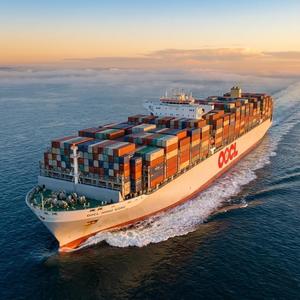
Lithium Battery Cargo China-to-Italy Door-to-Door LCL & Express
Full UN 3480/3481 packing compliance, 24/7 telematics tracking, and marine insurance for Italian energy storage importers.
DDP Industrial Chemical & DG Freight Forwarding to Italy
Comprehensive DDP sea freight solutions covering customs duties, Italian IVA processing, and inland ADR truck transport.

Express Air Freight Dangerous Goods Handling (3-5 Days)
Rapid air export service for chemical samples, active pharmaceutical ingredients, and urgent battery shipments to Milan MXP.
China-to-Italy Ocean DG Freight Agent (Port of Genoa / La Spezia)
Specialized FCL/LCL consolidation for dangerous goods, complete with IMDG declarations and certified UN steel/plastic drums.
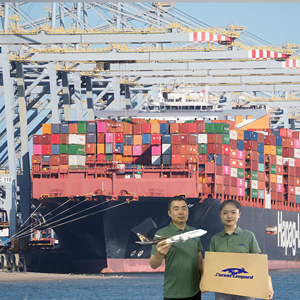
Professional Sea Transport for Industrial Solvents & Paints
End-to-end maritime supply chain for flammable liquids, coatings, and organic peroxides tailored for Italian manufacturers.
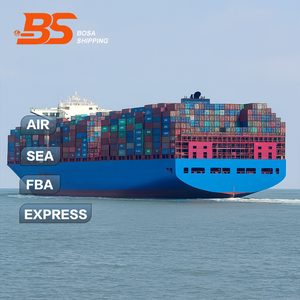
Courier Air Courier Hazardous Freight via DHL/UPS/FedEx
Certified courier packaging and documentation for Class 4, 5, 8, and 9 goods under IATA Section II and Section I regulations.
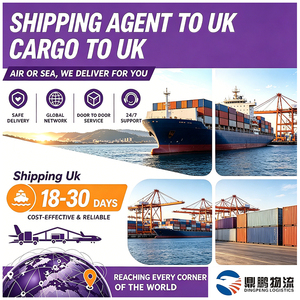
Containerized DG Sea Freight with Full Cargo Risk Coverage
Direct routing from Shanghai/Ningbo/Shenzhen to Northern Italian ports with temperature-controlled reefer DG options.
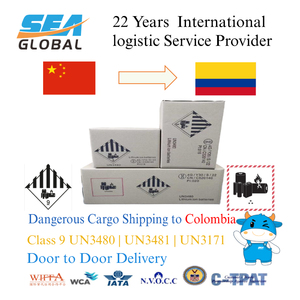
EXW / FOB / DDP Dangerous Goods Factory Direct Sourcing Support
Factory audit, MSDS verification in Italian, UN packaging certification, and door delivery for industrial corrosive agents.
1. Strategic Overview: Sourcing Dangerous Goods from China to Italy
Italy stands as Europe’s second-largest manufacturing economy, driven by advanced industrial clusters in Lombardy, Piedmont, Veneto, Emilia-Romagna, and Tuscany. From automotive coatings and specialty polymers to energy storage systems (BESS) and pharmaceutical intermediates, Italian enterprises rely heavily on high-purity chemical precursors and battery modules manufactured in China. However, procuring and transporting Dangerous Goods (DG) under international regulations requires specialized engineering, strict adherence to UN packaging standards, and immaculate legal documentation.
Navigating the cross-border supply chain between Chinese OEM chemical/battery factories and Italian industrial end-users involves multi-layered compliance frameworks. This whitepaper provides procurement directors, supply chain managers, and compliance officers with an authoritative technical guide on sourcing wholesale dangerous goods from certified Chinese manufacturers while maintaining total regulatory integrity across maritime, air, and inland Italian transport corridors.
2. Localized Industrial Application Scenarios Across Italy
Dangerous goods sourced from Chinese factories feed into specific industrial corridors across Northern, Central, and Southern Italy. Each sector demands unique dangerous goods hazard classifications, specialized containment solutions, and tailored delivery schedules.
Automotive & Industrial Coatings (Piedmont & Emilia-Romagna)
Italian automotive OEMs and tier-1 suppliers in Turin and Modena require high volumes of Class 3 Flammable Liquids (resins, thinners, acrylic primers, polyurethanes) and Class 8 Corrosive hardeners sourced directly from specialized chemical clusters in Jiangsu and Shandong.
BESS & E-Mobility Storage (Sicily, Apulia & Veneto)
Italy's massive green energy transition in Southern regions and utility grid projects demand large-scale Lithium Iron Phosphate (LiFePO4) energy storage cabinets (UN 3480 / UN 3481, Class 9). Direct factory shipments require stringent thermal run-away protection and sea-shielded reefer containers.
Textile Dyes & Leather Chemicals (Tuscany & Lombardy)
Tuscan leather tanneries in Santa Croce sull'Arno and textile mills in Prato and Como import Class 8 Corrosive substances (formic acid, chromium salts) and Class 6.1 Toxic fixatives requiring ISO tank containers and UN-certified fluorinated HDPE drums.
3. Legal & Regulatory Compliance Matrix: China-to-Italy DG Lane
Compliance failure during dangerous goods transit results in vessel rejection, immediate customs impoundment at Italian sea ports, heavy administrative fines by the Guardia di Finanza and Autorità Portuale, and catastrophic supply chain downtime. Sourcing from Chinese manufacturers requires verifying that both factory packaging and shipping agents follow international and local Italian codes.
| Regulatory Body / Code | Applicable Transport Mode | Core Mandate & Requirement | Key Compliance Document |
|---|---|---|---|
| IMDG Code (Intl. Maritime Dangerous Goods) | Ocean Freight (FCL / LCL) | Mandates segregation of incompatible chemical classes, vessel stowage positioning, and weather-resistant UN drum labeling. | Dangerous Goods Declaration (DGD), Material Safety Data Sheet (MSDS/SDS) |
| ADR 2023 / 2025 (European Road Agreement) | Inland Trucking in Italy & EU | Governs road transport from Italian ports (Genoa/La Spezia) to warehouses. Requires certified ADR drivers and orange hazard plates. | ADR Transport Document, Emergency Instructions in Italian (Istruzioni Scritte) |
| ICAO / IATA DGR | Air Express / Cargo (Milan MXP) | Strict state/operator variations for air transport of lithium batteries (UN 3480 at <30% State of Charge) and toxic lab chemicals. | Air Waybill (AWB) with Shipper's Declaration for Dangerous Goods |
| REACH & CLP Regulations (EC 1907/2006 & 1272/2008) | Italian Customs & Market Entry | Requires chemical safety reports, SDS translated into Italian with GHS pictograms, and registration of SVHC substances. | Italian GHS-compliant SDS, Poison Center Notification (PCN / UFI code) |
4. Technical Vetting: How to Qualify Chinese DG Manufacturers
When evaluating Chinese dangerous goods factories for the Italian market, standard quality audits (such as ISO 9001) are insufficient. Italian importers must conduct specialized hazardous packaging and export licensing audits. Below is the technical protocol used by senior supply chain auditors:
1. Dangerous Goods Packaging Certificate (Dangerous Package Certificate)
Issued by the General Administration of Customs of China (GACC/CIQ). Proves that the specific batch of drums, boxes, or IBC containers has passed drop tests, hydraulic pressure testing, and stacking tests under UN standards.
2. UN-Approved Packaging Marking Integrity
Ensure the physical packaging displays permanent UN embossing (e.g., UN 1A1/Y1.4/150/24/CN/...). Incorrectly marked drums will be rejected at Shanghai or Ningbo load ports long before reaching Europe.
3. 16-Section GHS Material Safety Data Sheet (Italian Language)
The SDS provided by the Chinese factory must be updated to the latest EU CLP revision, fully translated into Italian, and feature valid European emergency contact phone numbers for Italian customs inspection.
5. Strategic Trends: Green Transition & Italian Customs Logistics Evolution
The landscape of importing dangerous goods into Northern Italy (via Port of Genoa, La Spezia, and Trieste) is undergoing a major structural transformation driven by sustainability policies and digital customs integrations.
A. EU Battery Regulation (Regulation EU 2023/1542) & Battery Passports
As of 2024, Italian importers sourcing lithium batteries (Class 9) from China must comply with strict EU carbon footprint declarations, recycled content requirements, and digital battery passports. Chinese factories providing full supply chain traceability and clean energy production certificates gain a major competitive advantage in the Italian B2B market.
B. Seamless DDP (Delivered Duty Paid) Direct-to-Factory Clearance
Historically, Italian buyers avoided importing DG goods under EXW or FOB terms due to complex customs declarations, Italian IVA (VAT) deferred payments (Inversione Contabile / Reverse Charge), and ADR transport coordination. Modern end-to-end logistics solutions utilize turnkey DDP models where the freight partner manages maritime booking, customs clearance at Italian port terminals, and door delivery via certified ADR trucks directly to facilities in Milan, Brescia, Bologna, or Florence.
6. Enterprise Strengths: Why Partner with Our Global Logistics Network
With over two decades of dedicated dangerous goods freight experience, our organization bridges the gap between Chinese factory floors and Italian industrial destinations. We eliminate supply chain risk through rigorous compliance engineering and personal operational oversight.
20+ Years of Certified DG Expertise
Our team includes certified Safety Advisors (DGSA) and IATA/IMDG licensed specialists capable of handling Class 2, 3, 4, 5, 6, 8, and 9 dangerous cargoes with zero compliance failure rates.
Integrated Air, Sea & Inland Trucking
From LCL battery consolidation in Shenzhen to express air freight into Milan Malpensa (MXP) and container drayage out of Genoa, we operate a seamless multimodal network.
Direct Communication & 24/7 Support
No anonymous call centers or ticketing delays. You receive a dedicated Dangerous Goods Logistics Manager providing live milestone tracking and immediate regulatory guidance.
7. Frequently Asked Questions (FAQ) for Italian Importers
Streamline Your China-to-Italy Dangerous Goods Supply Chain Today
Consult with our senior Dangerous Goods Compliance & Freight Specialists for custom route planning, factory audit support, and transparent DDP rate quotes.