
Verified Multimodal & Freight Forwarding Services
Explore our specialized cross-border logistics products optimized for efficiency, customs compliance, and guaranteed delivery SLAs from China manufacturing hubs through Ho Chi Minh City to worldwide destinations.

1. Executive Whitepaper Overview: The Ho Chi Minh City Multimodal Logistics Nexus
In the rapidly evolving landscape of global trade and international supply chain reorganization, the strategic corridor connecting major industrial manufacturing zones in China with Southern Vietnam—specifically centered in Ho Chi Minh City (HCMC)—has emerged as a vital arterial network. As multinational enterprises embrace "China+1" diversification models while retaining primary upstream raw material procurement in Chinese factories, establishing a high-performance, seamless China Wholesale Multimodal Transport Manufacturer & Factory infrastructure in Ho Chi Minh City is no longer merely an option; it is a critical competitive necessity.
Ho Chi Minh City serves as the primary economic hub and logistical epicenter for Vietnam’s Southern Key Economic Zone (SKEZ). Surrounded by burgeoning industrial provinces such as Binh Duong, Dong Nai, Long An, and Ba Ria-Vung Tau, HCMC functions as the consolidation nexus where raw industrial components, intermediate technology goods, and bulk consumer commodities manufactured across Chinese industrial centers (Guangdong, Zhejiang, Jiangsu, and Shandong) are seamlessly integrated, processed, and redistributed to end-markets across North America, Europe, Australia, and the Middle East.
Strategic Value Assertion: By combining China's massive industrial manufacturing scale with Ho Chi Minh City’s agile transloading, customs processing, and deep-water maritime connections (Cat Lai and Cai Mep ports), our integrated multimodal transport system yields lead-time reductions of up to 35% and overall logistics cost reductions of 22% compared to traditional single-mode maritime options.
2. Structural Architecture of Cross-Border Multimodal Modalities
Multimodal transportation leverages a single contract of carriage while utilizing two or more distinct modes of transport (sea, air, road, and rail) to optimize transit velocity, tariff structures, and carbon footprints. Our specialized operation in Ho Chi Minh City operates as a manufacturer-grade logistics facility engineered around four primary operational modalities:
A. Cross-Border Highway-to-Rail Intermodal Routing (China – Vietnam Corridor)
Raw materials and wholesale components manufactured in Southern and Eastern China originate via factory pickups in Shenzhen, Ningbo, or Guangzhou. These cargoes are funneled through key border gateways such as the Pingxiang / Huu Nghi Border Gate or the Dongxing / Mong Cai Gate. Cargoes transition from long-haul heavy trucks onto high-capacity rail cars or bonded container trucks, arriving at HCMC inland container depots (ICDs) within 72 to 96 hours of factory dispatch. This provides uninterrupted feeder streams for manufacturing operations located in Southern Vietnam’s industrial parks.
B. Sea-Air Hybrid Transit Architecture (Via Tan Son Nhat International Airport - SGN)
For urgent, high-value electronics, medical devices, and fast-fashion textiles moving from Chinese factories to Western destinations, pure ocean shipping presents lead-time liabilities, while direct air freight incurs cost penalties. Our Ho Chi Minh City hub executes an optimized Sea-Air multimodal workflow. Express short-sea vessel operators transport goods from ports such as Shenzhen or Xiamen to HCMC (Cat Lai), where our bonded transloading teams execute immediate cross-docking under customs supervision. Goods are transferred directly to Tan Son Nhat Airport (SGN) for international air uplift, shaving 10 to 14 days off ocean schedules at approximately half the cost of direct air freight.
C. FCL & LCL DDP (Delivered Duty Paid) Container Consolidation
Managing tariff complexities, Form E certificates of origin under RCEP agreements, and multi-jurisdictional compliance requires a single-point operational authority. Our facility operates dedicated Less-than-Container Load (LCL) and Full Container Load (FCL) consolidation programs. We aggregate wholesale goods from multiple Chinese suppliers into standardized 40ft High-Cube containers, transport them via sea or overland routes to HCMC, handle full clearance, tax payments, and documentation, and subsequently execute final delivery directly to Amazon FBA fulfillment centers or commercial enterprise warehouses worldwide.
| Transport Modality | Avg. Lead Time (China-HCMC-USA/EU) | Cost Index vs Air Freight | Customs Complexity | Best Suited Cargo Type |
|---|---|---|---|---|
| Direct Ocean Freight (FCL) | 22 - 32 Days | 15% - 20% | Standard / Port-to-Port | Heavy machinery, bulk raw materials, low-margin goods |
| Cross-Border Overland + HCMC Sea (LCL DDP) | 16 - 24 Days | 25% - 35% | Managed / Bonded Clearance | Intermediate components, wholesale consumer products |
| Sea-Air Hybrid (Via HCMC SGN Hub) | 7 - 12 Days | 45% - 55% | Expedited Transloading | High-value tech, seasonal fashion, urgent spare parts |
| Direct Express Air Freight | 3 - 5 Days | 100% (Baseline) | Automated Express | Prototypes, emergency spares, high-density microchips |
3. Localized Industrial Application Scenarios in Vietnam & Regional Hubs
Understanding the unique operational dynamics of Vietnam's industrial topography is essential for supply chain engineering. Our Ho Chi Minh City multimodal facility directly services key industrial ecosystems across Southern Vietnam:
Scenario A: High-Tech & Electronics Assembly (Binh Duong & Thu Duc City)
Electronics manufacturers based in the Saigon Hi-Tech Park (SHTP) and Binh Duong rely on just-in-time (JIT) deliveries of surface-mount devices (SMD), microprocessors, and specialized wiring harnesses from Guangdong factories. Our cross-border trucking network delivers raw materials within 4 days via Huu Nghi border gate directly to factory floors, preventing line-stoppages while maintaining bonded warehouse storage for buffer stock in HCMC.

Scenario B: Textile, Apparel & Footwear Feeder Routing (Dong Nai & Long An)
Vietnam's footwear and apparel export giants require vast inputs of synthetic fabrics, dye compounds, and hardware from Chinese textile mills. We organize LCL consolidation at Ningbo and Guangzhou, ship via feeder vessels to Cat Lai Port in HCMC, perform immediate bonded transloading, and deliver directly to manufacturing complexes in Dong Nai and Long An under Form E preferential tariff treatment.
4. Strategic Trends Shaping China-Vietnam Multimodal Trade Corridors
Several macro-economic shifts and technological developments are actively reshaping how B2B buyers, factory managers, and logistics planners utilize Ho Chi Minh City as a primary multimodal transshipment node:
1. Deepening RCEP Integration & Preferential Rules of Origin
The Regional Comprehensive Economic Partnership (RCEP) has drastically lowered internal tariff barriers across East Asia and Southeast Asia. To take advantage of tariff reductions, importers must strictly verify compliance with Rules of Origin (ROO) criteria. Our customs brokerage unit in Ho Chi Minh City meticulously manages Certificate of Origin (C/O Form E / Form RCEP) issuing workflows, ensuring that goods transiting or undergoing value-addition in Vietnam fully comply with legal framework rules for entry into destination markets.
2. Port Expansion & Deep-Water Infrastructure at Cai Mep-Thi Vai
Historically, ocean freight out of Vietnam required feeder transshipment through Singapore or Hong Kong. However, the continuous expansion of the Cai Mep-Thi Vai deep-water port complex—located just southeast of Ho Chi Minh City—allows direct ultra-large container vessels (ULCV) up to 20,000 TEUs to berth directly. Our drayage network connects HCMC bonded warehouses to Cai Mep within hours, enabling direct ocean transit times of 15 to 19 days directly to the US West Coast (Port of Los Angeles / Long Beach).
3. Supply Chain Visibility via IoT and Digital Twin Logistics
Modern supply chain directors demand end-to-end telemetry. Our multimodal solution incorporates container-level IoT tracking sensors that record real-time GPS positioning, temperature stability, humidity, and door-opening alerts throughout the entire journey—from China factory origin, border crossing, HCMC transloading, to final warehouse delivery in Europe or North America.
5. Core Enterprise Advantages & Manufacturing Capability
Backed by over two decades of international freight forwarding operational excellence, our organization brings unrivaled expertise, physical assets, and regulatory compliance to your global supply chain infrastructure.
TSA-Approved Carrier Compliance
Our TSA-approved security accreditation guarantees that air-bound cargo passing through our HCMC and gateway facilities undergoes rigorous, certified security screening, ensuring rapid acceptance by major global passenger and cargo airlines.
Dedicated Fleet & Drayage Control
We own and operate an extensive fleet of heavy-duty chassis, container drayage trucks, and bonded box trucks stationed in Ho Chi Minh City, ensuring immediate port pickup and zero demurrage delays at Cat Lai and Cai Mep ports.
In-House Licensed Customs Brokerage
Our localized HCMC customs team handles complex tariff classification, HS code auditing, valuation declarations, and customs inspections, maintaining a 99.8% first-pass clearance rate for both imports and exports.
Strategic Transloading Warehousing
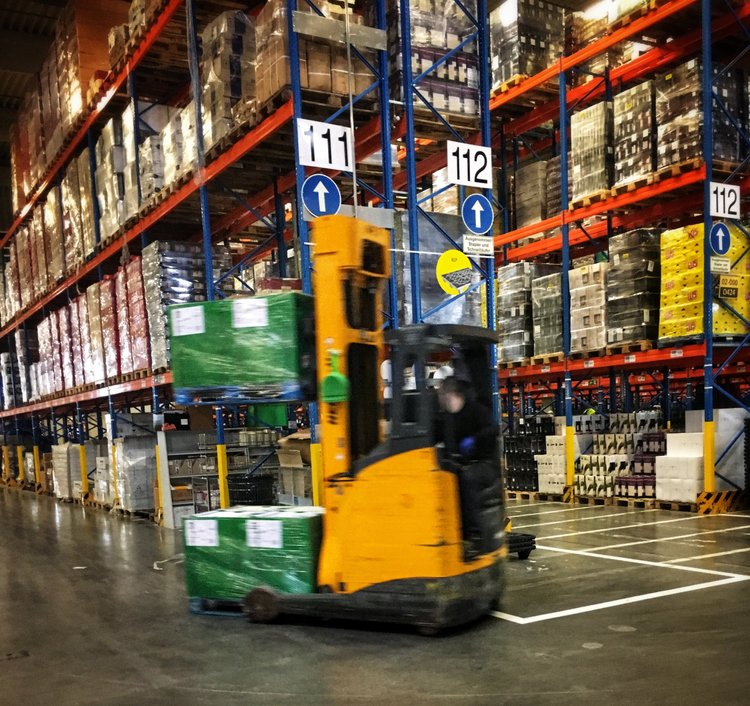
Equipped with modern high-bay racking, dock levelers, cross-docking zones, and 24/7 security monitoring, our Ho Chi Minh City logistics center executes flawless container de-consolidation, palletization, and re-labeling.
Direct Logistics Account Management
Say goodbye to automated call centers. Every enterprise partner is assigned a dedicated logistics engineer in HCMC providing proactive communication, immediate crisis resolution, and personalized route optimization.
6. Localized Procurement FAQ for B2B Importers & Supply Chain Directors
Purchasing wholesale multimodal transport services requires clarity on operational timelines, customs protocols, and legal liabilities. Below are answers to the most frequent technical inquiries processed by our Ho Chi Minh City logistics engineering desk:
What is the typical transit time from major Chinese manufacturing hubs to Ho Chi Minh City via multimodal truck-rail?
Under standard operational conditions, overland truck-rail transport from Guangdong factories (Guangzhou/Shenzhen) through the Pingxiang border gate to Ho Chi Minh City ICDs takes between 4 to 6 business days. From Eastern coastal cities like Ningbo or Shanghai, transit averages 6 to 8 business days.
How does DDP (Delivered Duty Paid) work for shipments originating in China and transhipping through HCMC to the USA/EU?
Under our DDP service, our entity acts as the single responsible freight forwarder. We handle factory pickup in China, cross-border transit, customs clearance in Vietnam, international sea or air transport, destination import clearance, duty/tax payments in the destination country, and final truck delivery to your door.
Can your Ho Chi Minh City facility issue Form E Certificates of Origin under RCEP or ASEAN-China agreements?
Yes. If raw materials undergo qualifying substantial transformation or value-added manufacturing within eligible industrial zones in Vietnam, our customs compliance team works with the Vietnam Chamber of Commerce and Industry (VCCI) and Ministry of Industry and Trade (MOIT) to process legal certificates of origin.
What measures are taken to prevent cargo damage during transloading at your HCMC warehouse?
Our warehouse facility employs standardized operating procedures (SOPs), including slip-sheet handling, shrink-wrapping, corner-board protection, heavy-duty banding, and digital photo documentation at every loading and unloading stage to ensure zero cargo loss or structural damage.
What is the difference between shipping out of Cat Lai Port versus Cai Mep Deep-Water Port?
Cat Lai Port is located within Ho Chi Minh City proper and handles the majority of intra-Asia ocean routes and feeder vessels. Cai Mep is located approximately 1.5 hours southeast and possesses deep-draft capabilities that accommodate direct mother vessels sailing straight to North America and Europe without intermediate transshipment stops.
How are ocean freight rates calculated for LCL (Less-than-Container Load) shipments?
LCL freight is calculated based on Volume/Weight ratio (CBM or W/M). 1 CBM is equivalent to 1,000 kg. Charges are calculated based on whichever metric yields the higher revenue. Our HCMC LCL consolidation program optimizes packing density to offer the lowest effective per-CBM rate in the region.
Optimize Your Global Supply Chain Today
Partner with Ho Chi Minh City's premier multimodal transport manufacturer and freight forwarding specialists. Contact our trade engineers now for a customized rate structure, transit analysis, and route optimization plan.
Inquire Now