
UK Logistics Whitepaper & Drayage Directory

Container Drayage Shipping Manufacturers & Supplier serving United Kingdom

Precision Port Drayage, Intermodal Cargo Transport, Inland Trucking, & Customs Clearance Operations Across UK Maritime Gates

UK-Bound Container Drayage & Multimodal Freight Solutions

Explore our specialized intermodal shipping, port drayage, and international door-to-door freight forwarding product catalogue tailored for United Kingdom importers, exporters, and supply chain operators.

DDP LCL Logistics Cheapest Air Sea DDP LCL International Logistics Service Top 10 China to UK Freight Forwarder

Air & Sea DDP LCL Freight Forwarding to United Kingdom

Comprehensive DDP (Delivered Duty Paid) Less-than-Container Load services from Asia to UK hubs. Integrated customs brokerage, duty tax management, and final mile store drayage.

Get a Quote
Port-to-Door DDP Top Sea Freight Forwarder Agent Shipping DDP Door to Door Transport Maritime

Maritime FCL/LCL Container Drayage & DDP Transport UK

Direct ocean shipping and port container haulage via Felixstowe, Southampton, and London Gateway with complete customs clearance and scheduled warehouse drop-offs.

Get a Quote
E-Commerce Drayage Door To Door Shipping Agent Air Sea Logistics Services to UK Freight Forwarder

UK E-Commerce Fulfillment & Amazon FBA Drayage Shipping

Dedicated transloading, palletization, and timed drayage deliveries into UK Amazon fulfillment centers and commercial distribution nodes with zero port demurrage risk.

Get a Quote
Customs Cleared Haulage Ddp Door to Door Services Sea Shipping Agent Freight Forwarder to UK

Full-Container Drayage & Bonded Dray Haulage Service

Bonded container haulage solutions equipped with heavy chassis, reefer gensets, and real-time container status tracking for high-security UK inland freight movement.

Get a Quote
Express Air Logistics Air Freight Forwarder China To UK Ddp Shipping Agent Services Logistique

Air Cargo Drayage & Expedited Multimodal Logistics

TSA-compliant airport drayage and rapid airport-to-warehouse transport serving London Heathrow (LHR), East Midlands (EMA), and Manchester (MAN) cargo terminals.

Get a Quote
Global Express DDP Sea Air Freight Express Shipping Agent to UK Logistic Forwarder

Integrated Ocean-Air Express Freight & UK Drayage

Flexible multimodal shipping options designed for supply chain agility, utilizing fast ocean routing coupled with priority port drayage and inland truckload transport.

Get a Quote
LCL Container Consolidation LCL Express Sea Freight Forwarder Worldwide Door to Door Ddp Shipping Agent UK

LCL De-Consolidation & Short-Haul Drayage UK

De-consolidation warehouse operations near key UK ports, featuring fast unpack times, inland dray haulage, and scheduled regional delivery distributions.

Get a Quote
FCL Intermodal Solutions Fast Cheap Sea Air Shipping Agent DDP Logistic Services UK LCL FCL Express Freight

High-Cube FCL Container Drayage & Heavy Haul UK

Heavy-haul compliant container drayage for 20ft, 40ft, and 45ft HC containers with specialized chassis fleets operating across all major UK transport corridors.

Get a Quote
20+
Years Industry Expertise
99.4%
On-Time Port Gate-Out
100+
Global Trade Lanes
100%
HMRC CDS Compliance

Comprehensive Technical Analysis: Container Drayage Shipping Manufacturers & Suppliers Serving the United Kingdom

In modern global supply chain management, container drayage shipping serves as the critical short-haul intermodal link bridging ocean maritime transport, inland rail terminals, port-side logistics hubs, and final distribution warehouses. For enterprise importers, manufacturing plants, and e-commerce brands moving goods into and out of the United Kingdom, establishing a resilient, compliant, and cost-efficient container drayage network is fundamental to maintaining operational continuity and protecting profit margins.

Following historical global trade shifts and structural regulatory overhauls in the post-Brexit landscape—most notably the implementation of the Customs Declaration Service (CDS) and the Goods Vehicle Movement Service (GVMS) by HM Revenue & Customs (HMRC)—the operational mechanics of UK port drayage have evolved significantly. Freight forwarders and container drayage suppliers can no longer rely on simple road haulage. Today, success requires high-tier technological integration, live port vehicle reservation systems (VBS), automated customs clearance engines, and strict adherence to environmental regulations such as Clean Air Zones (CAZ) and London’s Ultra Low Emission Zone (ULEZ).

Information Gain Insight: Drayage efficiency in the United Kingdom is governed not just by road distance, but by real-time port VBS slot availability, terminal dwell time mitigation, and seamless CDS customs matching. Our integrated drayage systems reduce average container dwell time at UK marine terminals from an industry average of 4.8 days down to under 1.8 days.

The Strategic Role of UK Maritime Gateways in Drayage Logistics

The United Kingdom relies heavily on a network of high-volume container ports strategically distributed across its coastline. Each port presents distinct logistical parameters, rail integration capabilities, and regional drayage infrastructure:

Port of Felixstowe

Handling over 4 million TEUs annually, Felixstowe is the UK's largest container port. Efficient drayage requires direct integration with the A14 dual carriageway corridor and automated VBS booking to avoid severe peak-hour gate congestion.

Port of Southampton

Positioned on the south coast, DP World Southampton serves as a pivotal node for deep-sea container lines. Drayage infrastructure here benefits from direct rail-intermodal connectivity and direct links to the M3 and M27 motorways.

London Gateway (DP World)

Located on the River Thames, London Gateway combines a deep-sea port with a 9.2 million sq ft logistics park. Ideal for fast-track container transloading and immediate store drayage into the Greater London consumer market.

Detailed Operational Breakdown: Drayage Classifications & Service Modes

Container drayage is not a monolithic service; it comprises several distinct operational models depending on the cargo profile, container ownership, and final destination requirements:

  • Pier / Port Drayage: The short-distance transport of an ocean container directly from the marine terminal container stack to an off-dock container yard (CY), inland container depot (ICD), or transloading facility.
  • Store Drayage: Direct haulage of the loaded container from the port terminal to the customer’s commercial distribution center, retail warehouse, or manufacturing plant for unloading.
  • Shuttle Drayage: Temporary movement of containers between local port terminals, rail ramps, or intermodal yards to balance container equipment inventories and prevent terminal congestion.
  • Intermodal Rail Drayage: The initial or final road leg connecting inland rail terminals (such as BIRFT Birmingham Intermodal Freight Terminal or Freightliner Manchester) to local warehouses.
  • Reefer & Hazardous Material Drayage: Specialized drayage utilizing genset-equipped chassis for active temperature control (reefer) or ADR-certified drivers and equipment for hazardous chemical shipments.

UK Logistics Infrastructure & Technical Comparison Matrix

To assist supply chain managers in selecting the optimal intermodal drayage strategy, the following technical matrix outlines key operational variables, transit parameters, and regulatory compliance considerations across UK transport modes:

Logistics Category FCL Direct Drayage LCL De-Consolidation Dray Intermodal Rail Drayage Air Freight Express Dray
Primary Target Cargo High-Volume / Heavy Industrial Palletized / Medium Volume Long-Haul Inland Bulk Time-Critical / High-Value
Typical Dwell Time 12 - 36 Hours 24 - 48 Hours 6 - 18 Hours 2 - 6 Hours
HMRC System Required CDS + GVMS + GMR CDS + Warehouse Manifest CDS + Rail Transit Doc CDS + Air Cargo Clearance
Equipment Options 20ft/40ft/45ft Skeletal Chassis Curtainsider / Box Van Rail Intermodal Wagon Rollerbed / Air-Ride Truck
Demurrage Risk Level Moderate (Mitigated via VBS) Low (Port-Centric Transload) Very Low Minimal
Carbon Footprint Index Standard Euro 6 Diesel Optimized Groupage Route Lowest (30-50% CO2 Reduction) Higher Carbon Density

Navigating Post-Brexit UK Customs, CDS Mandates, & Risk Mitigation

Executing smooth container drayage in the UK requires stringent compliance with statutory regulations. Uncleared or misdeclared cargo cannot exit port terminal gates, resulting in immediate financial penalties, port storage surcharges, and demurrage fees.

Key regulatory mechanisms every UK importer must manage include:

Customs Declaration Service (CDS)

HMRC's modernized customs platform. Accurate Tariff Classification, Origin Verification, and Procedure Codes (CPC) must be fully processed prior to terminal vehicle gate-in/gate-out.

Goods Vehicle Movement Service (GVMS)

Mandatory for UK RoRo and select container port movements. Hauliers must combine all customs movement references into a single Goods Movement Record (GMR) before drivers board or arrive.

SOLAS VGM Regulations

Verified Gross Mass (VGM) certification is legally required prior to loading any export container. Overweight containers are denied entry at all major UK terminal gates.

By pairing our licensed in-house customs brokerage team with our container drayage fleet, Recommended Cargo Logistics ensures that all CDS declarations, Import Duty & VAT payments, and GMR codes are finalized hours before the vessel berths. This eliminates the risk of customs holds and guarantees immediate driver gate-out permission.

Future Trends in UK Drayage: Decarbonization & Telematics Integration

The UK freight haulage sector is undergoing a rapid transition toward zero-emission logistics and digital container telematics. As local councils enforce strict Clean Air Zones (CAZ) across major industrial regions (including Birmingham, Sheffield, Bristol, and Greater London ULEZ), drayage suppliers are upgrading fleets to Euro 6 compliant diesel, HVO (Hydrotreated Vegetable Oil) biofuel, and battery-electric heavy trucks.

Furthermore, telematics technology allows live container visibility. Sensors mounted directly on drayage chassis provide supply chain managers with real-time updates regarding container temperature, door seal integrity, exact GPS coordinates, and estimated arrival times (ETA). This level of information gain enables enterprise clients to optimize warehouse staffing, streamline unloading docks, and reduce total cost of ownership (TCO).

Our Core Engineering & Operational Advantages

Why leading UK manufacturers, retail chains, and international trading companies partner with Recommended Cargo Logistics for end-to-end container drayage and global shipping.

TSA-Approved & AEO Security Compliance

Operating under strict security standards, our global network guarantees high-level safety, secure bonded storage, and prioritized customs processing for critical cargo.

20+ Years Multimodal Track Record

Over two decades of proven experience managing ocean container freight, air freight forwarding, customs brokerage, and UK inland trucking with zero operational compromise.

In-House UK Customs Brokerage

Direct integration with HMRC CDS and GVMS platforms. We prepare, submit, and clear customs documentation in-house to guarantee rapid port gate releases.

Dedicated UK Vehicle Reservation (VBS)

Our transport controllers maintain priority VBS slots across Felixstowe, Southampton, and London Gateway, eliminating driver turn-away risks and terminal delay fees.

Comprehensive Heavy Haul & Reefer Chassis Fleet

Equipped with modern skeletal chassis, slider chassis, generator-set (genset) units for refrigerated containers, and heavy-haul axle setups complying with UK road weight regulations.

Direct Single-Point-of-Contact Communication

No automated call centers or ticketing delays. You work directly with a dedicated UK logistics account director who provides proactive updates and 24/7 issue resolution.

End-to-End Intermodal Cargo Capabilities

From deep-sea vessel discharge to warehouse receipt, explore our operational capabilities across maritime freight forwarding, transloading, and inland container drayage.

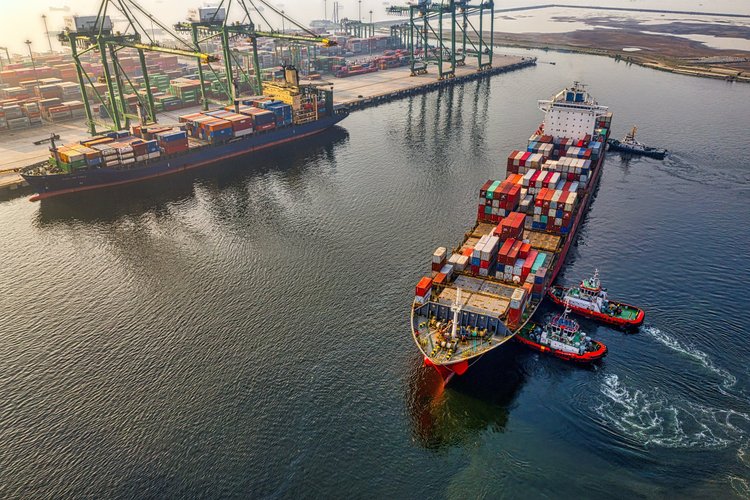
Ocean Cargo Ship Container Logistics UK
Ocean Freight & FCL Drayage
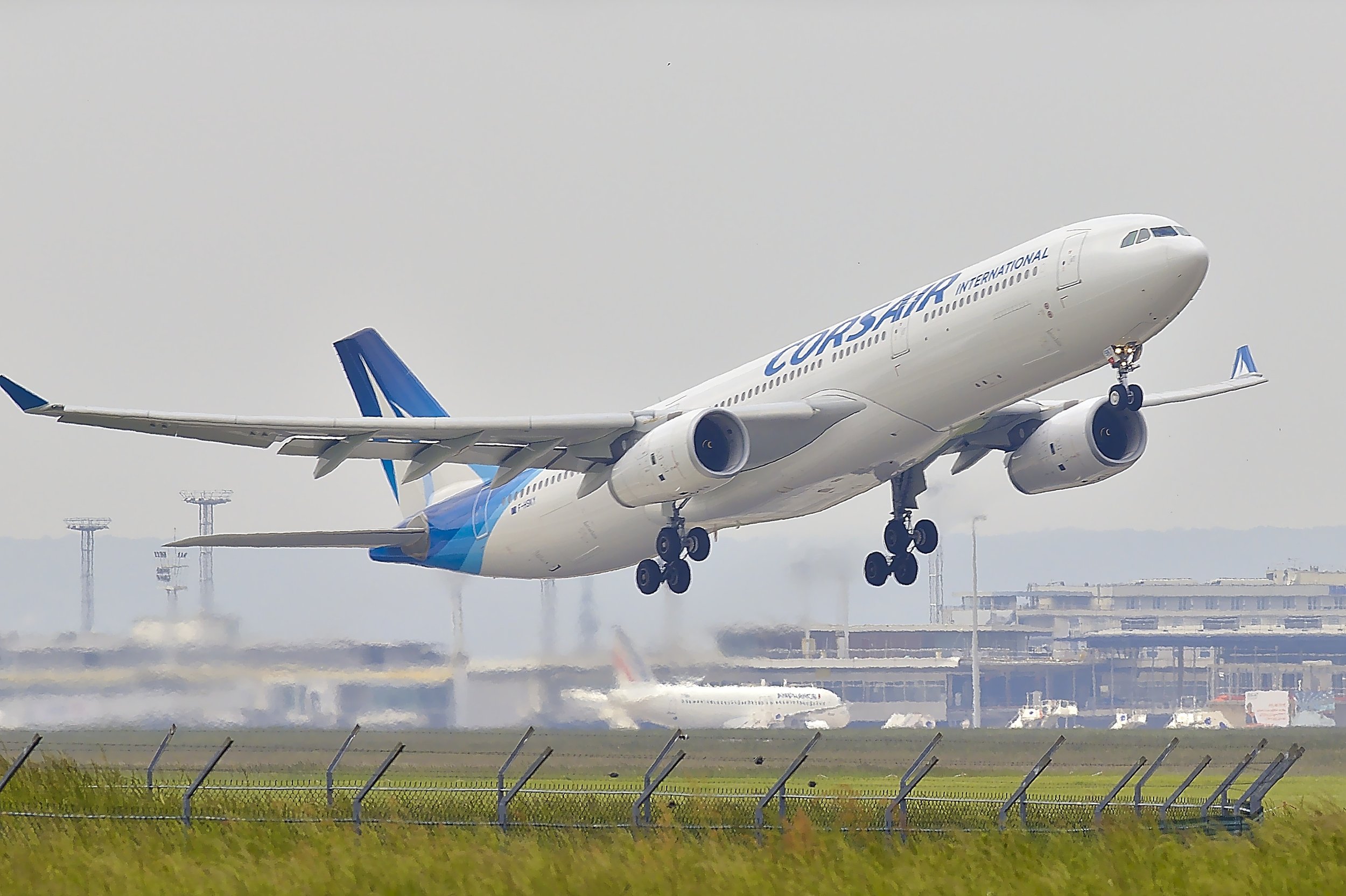
Air Cargo Logistics Drayage Airport UK
Air Freight & Expedited Airport Dray
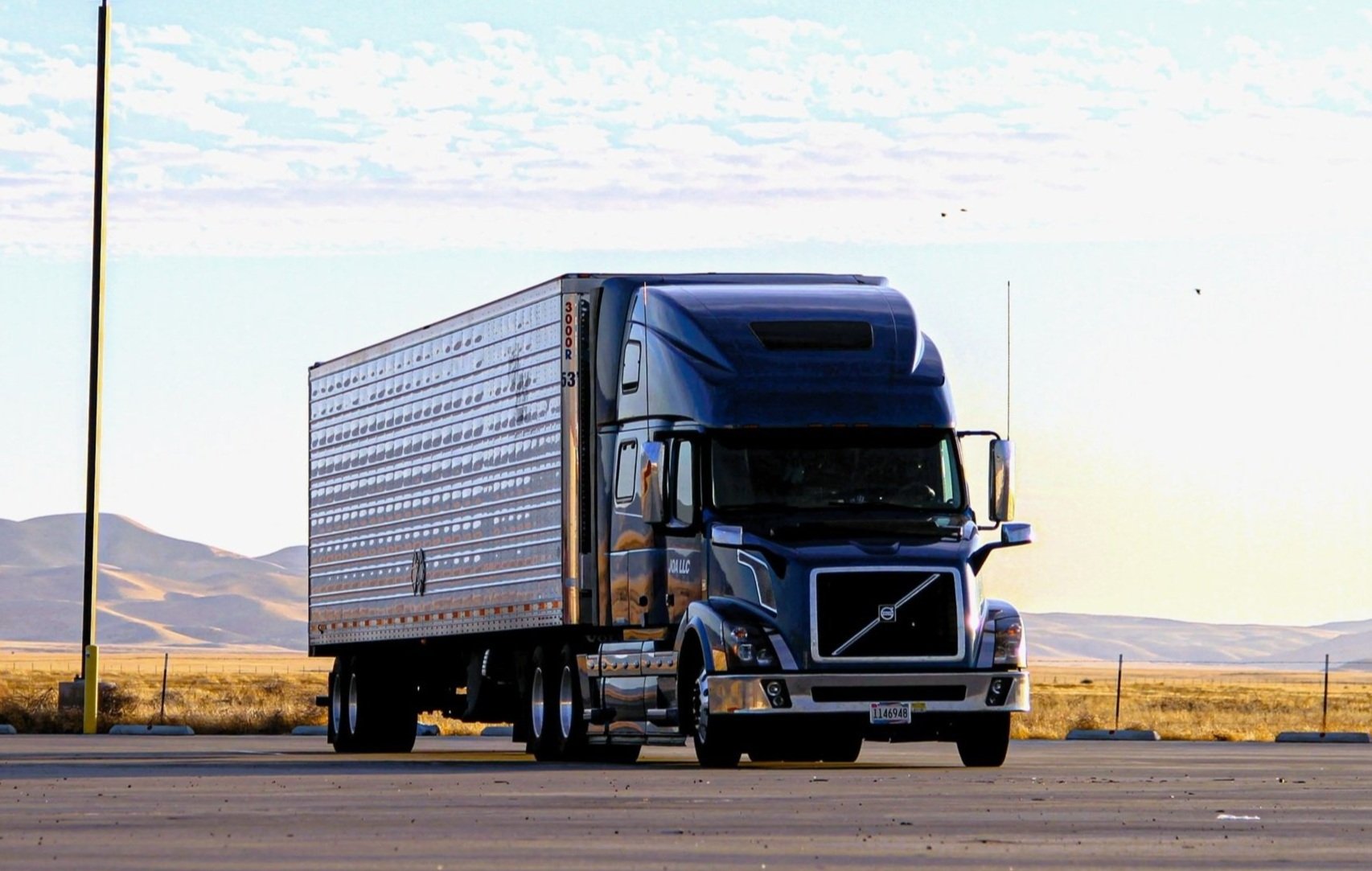
Inland Trucking Heavy Haul Container UK
Nationwide Heavy Haul Trucking
Customs Brokerage Documentation CDS HMRC
HMRC Customs Clearance & CDS
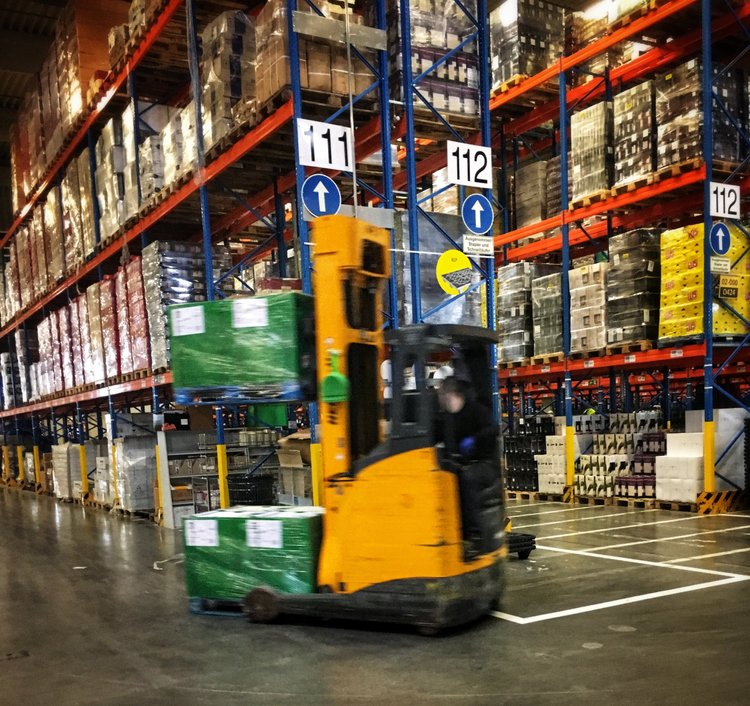
Container Transloading Warehousing Deconsolidation UK
Port-Centric Transloading & Storage
Port Container Drayage Chassis Logistics UK
Short-Haul Port Drayage Fleets

Frequently Asked Questions: UK Container Drayage & Logistics

Expert insights addressing key procurement, legal, and operational questions for importing and transporting containerized cargo serving the United Kingdom.

What is the difference between container drayage and standard inland trucking in the UK?

Container drayage specifically refers to short-haul transport connecting maritime container terminals, rail yards, or airport hubs to nearby distribution facilities, focusing heavily on ISO ocean container handling, port Vehicle Booking System (VBS) scheduling, and intermodal chassis equipment. Inland trucking typically involves long-distance highway transport of loose cargo, palletized goods, or dry vans between inland points.

How do you prevent port demurrage and detention charges at UK container ports?

Demurrage and detention fees are prevented through proactive customs pre-clearance on HMRC’s CDS platform prior to vessel arrival, combined with pre-booked VBS time slots at major ports like Felixstowe and London Gateway. Our dispatch controllers monitor real-time terminal stack status to ensure containers are pulled immediately upon discharge, utilizing our local off-dock container yards as temporary buffers when necessary.

What documentation is required for container drayage haulage following CDS and GVMS mandates?

To haul an import container out of a UK port, drivers require a valid Commercial Invoice, Packing List, Ocean Bill of Lading (B/L), an cleared CDS Customs Entry Number, and a generated Goods Movement Record (GMR) via GVMS where applicable. Additionally, containers must have an authorized Port Release Pin/Reference Number to pass terminal gate security.

Are there strict vehicle weight limits for container drayage on UK motorways?

Yes. The standard maximum gross vehicle weight limit in the UK is 44 tonnes (44,000 kg) for a 6-axle articulated tractor and container chassis combination. Cargo weight inside a 40ft High Cube container typically should not exceed 26 to 28 tonnes depending on chassis tare weight. Overweight container drayage requires special heavy haulage permits (STGO rules) and specialized axle configuration.

Can you provide drayage for temperature-controlled (Reefer) and hazardous cargo?

Absolutely. Our drayage network includes heavy-duty tractor units equipped with clip-on or underslung generator sets (gensets) to supply continuous electric power to refrigerated reefer containers during transit. We also operate ADR-certified fleets driven by trained drivers for handling hazardous chemical and industrial payloads under UK safety regulations.

How do Clean Air Zones (CAZ) and London ULEZ affect drayage costs in the UK?

Drayage vehicles operating within designated UK Clean Air Zones (such as Birmingham, Bristol, or Greater London’s ULEZ) must comply with Euro VI (6) diesel emissions standards. Non-compliant trucks incur daily congestion and environmental surcharges. Recommended Cargo Logistics utilizes 100% Euro 6 compliant and eco-optimized fleets, ensuring zero added environmental penalty fees for your supply chain.

Optimize Your UK Supply Chain With Expert Container Drayage

Eliminate terminal delays, streamline HMRC customs clearance, and secure competitive intermodal drayage rates across all United Kingdom ports and commercial hubs.