
Container Transloading Services Manufacturer & Exporter for the Brazil Market
Global Freight Solutions
Featured Multimodal Shipping & Transloading Offerings
Direct-to-market door-to-door, DDP, ocean consolidation, and rapid transloading solutions customized for trade lanes connecting China, North America, and Brazil.
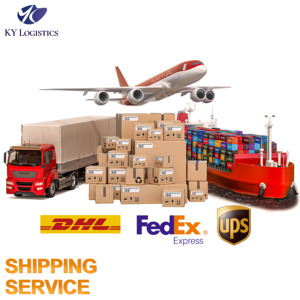
Top Sea Freight DDP Door-to-Door Maritime Logistics
Get a Quote
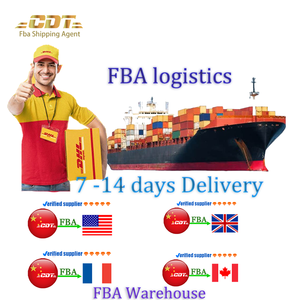
E-Commerce FBA Door-to-Door Air & Sea Freight Forwarding
Get a Quote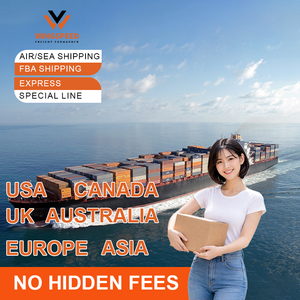
Customs Cleared DDP Sea Freight & Inland Trucking Forwarder
Get a Quote
Express Air Cargo & Priority Charter Transloading Services
Get a Quote
Best-Service DDP Sea Air Cargo Consolidation & Courier
Get a Quote
Worldwide LCL Container De-consolidation & Cross-Docking
Get a Quote
Full Container Load (FCL) Fast Intermodal Drayage Logistics
Get a Quote
Industry Whitepaper
Navigating Supply Chain Dynamics in Brazil: The Strategic Imperative for Container Transloading
Brazil stands as Latin America’s largest economy and a pivotal international trade hub. However, global manufacturers, exporters, and local importers face severe structural hurdles at major ocean gateways—most notably the Port of Santos, Port of Paranaguá, and Port of Itajaí. Harbor congestion, restrictive free-time periods, severe container detention/demurrage fines, and strict axle-weight regulations imposed by Brazil’s National Department of Transport Infrastructure (DNIT) turn direct ocean container inland haulage into an operational money pit.
Information Gain Insight: Shipping a 40ft High Cube ISO ocean container directly into Brazil’s interior (e.g., Campinas, Ribeirão Preto, or Belo Horizonte) exposes importers to container detention penalties averaging $150–$350 USD per container per day after expiration of short free-time windows. Container transloading—transferring cargo into domestic 53ft trailers or localized curtain-side trucks (Bitrem / Rodotrem)—eliminates equipment detention completely while optimizing payload per vehicle.
As a leading Container Transloading Services Manufacturer & Exporter targeting the Brazil market, our organization bridges the gap between international maritime transport and domestic Brazilian distribution networks. By stripping out marine container dependencies right at port-adjacent logistics hubs, we provide Brazilian enterprises with maximum supply chain elasticity, lowered landed costs, and accelerated order fulfillment timelines.
Technical Mechanics
Transloading & Cross-Docking Engineering Mechanics
FCL-to-LTL Container De-Consolidation
Ocean containers (20GP, 40GP, 40HC) arriving at port warehouses are immediately stripped. High-density palletized or loose cargo is sorted, shrink-wrapped, and staged for onward distribution directly to regional distribution centers across São Paulo state and South-Central Brazil.
Volumetric & Weight Optimization (3:2 Ratio)
International ocean shipping lines strictly cap 40ft container gross weights. Through port-side transloading, contents from three 40ft ISO containers can frequently be consolidated into two 53ft domestic trailers or heavy-duty Brazilian 9-axle road trains (Rodotrem), drastically slashing per-unit highway freight costs.
Demurrage & Storage Elimination
Returning empty containers back to terminal depots within 24–48 hours of vessel discharge guarantees zero daily detention penalties from ocean lines (Mersk, MSC, CMA CGM). Goods are safely stored in duty-suspended bonded warehouses (Recintos Alfandegados).
Operational Economics
Comparative Cost & Risk Architecture: Direct Drayage vs. Transloading Hub
| Logistics Dimension | Direct Ocean FCL Drayage into Brazil | Port-Side Container Transloading Hub |
|---|---|---|
| Demurrage & Detention Risk | High ($150–$350/day per container during customs bottlenecks) | Zero Risk (Container returned to port depot within free time) |
| Payload Volume Efficiency | Limited to ISO 40ft High Cube specs (~76 CBM max load) | Maximized (~115 CBM when transferred to 53ft/Rodotrem rigs) |
| DNIT Axle Weight Compliance | Frequent fines for overloading non-flexible container chassis | 100% Compliant (Cargo re-distributed across legal axle configurations) |
| Customs Hold Flexibility | Severe per-diem fees if stuck in SISCOMEX Channel Inspection | Goods securely held in off-dock bonded facility (EADI / Clia) |
| Inland Transit Flexibility | Requires specialized container drayage chassis drivers | Utilizes widespread standard Brazilian domestic trucking fleets |
Localized Execution
Localized Transloading Scenarios Across Brazilian Industrial Hubs
Automotive & Machinery to Industrial São Paulo (ABC Region)
Heavy industrial equipment and CKD auto components entering through Port of Santos are unladen at nearby Cubatão facilities. Oversized components are shifted onto specialized flatbeds with overhead crane lift systems, circumventing city center drayage bans (ZMRC) in metropolitan São Paulo.
Agribusiness Inputs to Centro-Oeste (Mato Grosso & Goiás)
Imported agricultural machinery spare parts, fertilizers, and hardware arriving at Paranaguá are transloaded onto heavy-haul 9-axle curtain-siders. Freight is transported over 1,500 kilometers to agricultural strongholds like Rondonópolis with zero container re-export logistics headaches.
Electronics & CKD Bundles to Manaus Free Trade Zone (ZFM)
High-tech components destined for assembly plants in Zona Franca de Manaus undergo multi-modal transloading. Ocean containers landed at coastal ports are cross-docked onto inland river barges for Amazonian waterway navigation under duty-suspension customs regimes.
Market Trends
Key Macro Trends & Regulatory Transformations Shaping Brazilian Logistics
1. BR do Mar (Cabotage Law 14.301/2022) Integration
The rollout of Brazil’s BR do Mar initiative encourages coastal shipping over long-haul highway trucking. Transloading acts as the vital catalyst: ocean cargo from long-haul international vessels is transloaded at primary hub ports onto coastal feeder vessels to connect secondary ports such as Pecém, Suape, and Navegantes with minimal administrative friction.
2. Tax Reform (Reforma Tributária - IBS & CBS Framework)
Brazil's structural tax overhaul replacing ICMS, PIS/COFINS, and ISS with dual VAT taxes (IBS & CBS) reshapes inter-state warehousing dynamics. Strategic transloading facilities located in tax-advantaged border zones (such as Espírito Santo or Santa Catarina) allow importers to optimize inter-state tax credits upon cross-docking.
3. ESG & Decarbonization Pressures in LatAm Trade Lanes
Multinational brand owners importing into South America are under strict mandates to lower Scope 3 carbon emissions. Converting three 40ft container movements into two high-capacity domestic truck trips cuts net diesel consumption and greenhouse gas emissions per ton-kilometer by up to 22%.
4. Digitization of Custom Channels (DUIMP & Portal Único)
The transition from legacy SISCOMEX Importation Declarations (DI) to the Single Import Declaration (DUIMP) streamlines customs clearance. Transloading hubs integrated with API-driven WMS/TMS software ensure real-time visibility and instant data clearance before highway dispatch.
Corporate Competence
Why Partner with Recommended Cargo Logistics?
Combining over two decades of international freight forwarding pedigree with specialized cross-border transloading capabilities tailored for South American commerce.
20+ Years of Demonstrated E-E-A-T
With deep operational domain knowledge, TSA-approved carrier accreditation, and robust global trade connections, we ensure your cargo moves through complex international customs without friction.
Dedicated Family-Owned Care
We reject faceless automated call centers. Every client receives a direct point of contact—an experienced logistics specialist accountable for every step of your shipment from factory door to final warehouse receiving dock.
In-House Customs & Regulatory Clearance
Our internal licensed customs brokerage orchestrates paperwork before vessel arrival. We verify HS code alignment, tax valuations, and RADAR registration requirements to guarantee seamless port-side transloading execution.
Knowledge Base
Frequently Asked Questions (FAQ) – Brazilian Market Procurement
Addressing standard operational, legal, and fiscal questions from Brazilian importers and logistics directors.
What is the difference between container drayage and container transloading in Brazil?
Container drayage involves moving the intact ocean shipping container via truck directly from the port terminal to the destination inland warehouse. Transloading involves unlading the cargo from the ocean container at a warehouse near the port, loading it onto domestic trucks (or alternative transport), and returning the empty container back to the maritime shipping line immediately.
How does transloading prevent high demurrage costs at the Port of Santos?
Ocean carriers typically provide 5 to 7 days of free container usage ("free time"). Customs inspections (e.g., Canal Vermelho) or inland transport delays can cause shipments to exceed this window, triggering demurrage fees of $150 to $350+ USD per day per box. Transloading empties the container within 24 to 48 hours of discharge, ensuring it is returned well within the free-time limit.
Do I need a RADAR license to utilize transloading services for Brazilian imports?
Yes. Any corporate entity importing goods into Brazil must possess a active RADAR license (Ambiente de Registro e Rastreamento do Atuação dos Intermediários de Comércio Exterior) issued by the Receita Federal. Transloading facilities operate within or alongside bonded warehouses under strict SISCOMEX data integration.
Can transloading help comply with Brazilian highway weight limits (DNIT regulations)?
Absolutely. DNIT enforces rigid gross vehicle weight and axle-weight limits across Brazilian federal highways (BR-116, BR-050, etc.). Heavy ocean containers often exceed allowable single-axle constraints. Transloading allows cargo weight to be redistributed across additional truck axles or split into multiple domestic vehicles to avoid hefty road fines.
What types of cargo are best suited for container transloading?
Palletized consumer goods, industrial machinery components, automotive parts, agricultural equipment, electronics (CKD/SKD kits), and dry bulk raw materials are ideal candidates. High-volume imports that benefit from 3:2 volumetric consolidation yield the greatest cost advantages.
How are Capatazia (terminal handling charges) handled during transloading?
Capatazia (THC) covers the movement of the container from the vessel to the terminal yard. Transloading takes place after terminal gate-out. By coordinating swift drayage to a near-dock facility, secondary terminal storage fees and extended terminal dwelling surcharges are kept to an absolute minimum.
Is cargo insurance valid during the transloading process?
Yes, provided your policy includes explicit cross-docking and warehousing transfer endorsements. Recommended Cargo Logistics provides comprehensive end-to-end cargo insurance covering ocean transit, unloading, temporary storage, and domestic onward carriage across Brazil.
How do I request a tailored transloading quote for my freight arriving in Brazil?
Click the quote button below to connect directly with our international logistics specialists. Provide your port of entry (e.g., Santos, Paranaguá), commodity type, container volumes, and final inland destination for a precise breakdown within 24 hours.