
Tailored Export Shipping & Forwarding Services
Engineered for high efficiency, full regulatory compliance, and seamless door-to-door delivery across all Australian ports and commercial centers.
China to Australia DDP Door-to-Door Freight Solution
All-inclusive DDP shipping services covering ocean LCL/FCL and express air cargo, fully inclusive of customs clearance and GST processing for Sydney and Melbourne.
Get Catalog
Direct Sea Freight Consolidation (FCL & LCL) to Australia
Cost-effective ocean shipping connecting major East Asia manufacturing hubs to Port Botany, Port of Melbourne, and Port of Brisbane with guaranteed space allocations.
Get Catalog
Priority Air Freight Courier & Charter Services
Time-critical express air freight with guaranteed 48-72 hour transit times to major Australian international airports (SYD, MEL, BNE, PER) with priority customs release.
Get Catalog
Customized Commercial Express & Parcel Freight
Scalable courier integrations (DHL/FedEx/UPS networks) optimized for Australian B2B e-commerce order fulfillment and urgent industrial replacement parts.
Get Catalog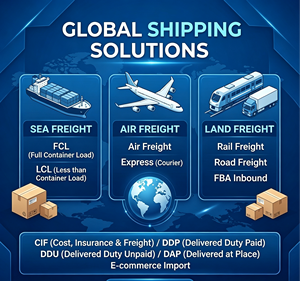
Worldwide Industrial Cargo Forwarding to Oceania
Global supply chain forwarding management facilitating heavy industrial, machinery, and commercial product imports into Australian regional distribution centers.
Get Catalog
ABF & DAFF Biosecurity Compliant Ocean Logistics
Specialized ocean cargo clearance handling Australian Border Force declarations, tariff classification under ChAFTA, and stringent DAFF biosecurity inspections.
Get Catalog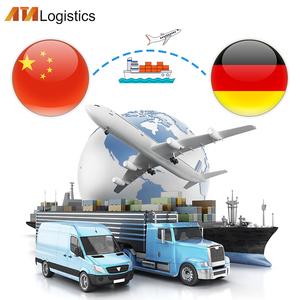
Weekly LCL Cargo Consolidation to Fremantle & Adelaide
Optimized shared container services designed for SME Australian importers seeking low-volume shipping without sacrificing transit predictability or port security.
Get Catalog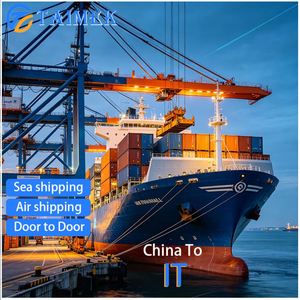
Specialized Reefer & Out-of-Gauge Project Freight
End-to-end temperature-controlled reefer cargo and heavy machinery transport engineered for Australian agricultural exports and industrial plant installations.
Get Catalog1. Strategic Overview of the Australian Export & Import Shipping Ecosystem
Australia’s geographic isolation, combined with its highly sophisticated modern economy, makes international export and import shipping the critical backbone of its national supply chain. The Australian logistics landscape presents unique operating parameters distinct from North American or European trade routes. Navigating freight forwarding into key entry points—including Sydney (Port Botany), Melbourne, Brisbane, Fremantle (Perth), and Adelaide—requires precise alignment with stringent national security standards, biosecurity mandates, and environmental regulations.
According to recent industry analytics from the Australian Department of Infrastructure, Transport, Regional Development and Communications, over 98% of Australia's total trade volume by weight moves via maritime transport routes. With global manufacturers scaling up export shipments to supply Australian infrastructure, renewable energy projects, mining developments in Western Australia, and booming commercial retail markets, selecting an experienced freight partner and manufacturer supplier network is paramount to maintaining operational continuity and budget integrity.
Key Australian Gateway Ports & Hinterland Connectivity
When structuring an optimized supply chain into Australia, freight forwarders and overseas exporters must select ports based on proximity to distribution nodes and inland transport links:
- Port Botany (Sydney, NSW): Handles the largest containerized volume for consumer goods, textiles, electronics, and automotive parts destined for the dense Greater Sydney Metropolitan region and New South Wales hinterland.
- Port of Melbourne (VIC): Australia’s largest capital city container and general cargo port, serving Victoria, Tasmania, and southeastern regional agricultural corridors.
- Port of Brisbane (QLD): Strategically positioned for Queensland’s rapidly expanding industrial, construction, and agricultural equipment import requirements.
- Fremantle Port (WA): The primary Western Australian conduit for heavy machinery, mining capital goods, and industrial raw materials supporting the Pilbara and Goldfields resource sectors.
Enterprise Capabilities & Core Competencies
Our global logistics framework is built on rigorous compliance management, multi-modal flexibility, and digital transparency.
Strict DAFF & BICON Biosecurity Compliance
Full pre-clearance auditing for all timber, organic, agricultural, and machinery shipments under Australia's mandatory BICON system to prevent costly border holds, re-export orders, or quarantine penalties.
End-to-End DDP & Local Drayage Coordination
Seamless door-to-door delivery incorporating port container drayage, interstate rail transport, and tail-lift final mile delivery directly to commercial warehouses across all six Australian states.
ChAFTA Duty Minimization Expertise
In-house licensed customs brokers leverage the China-Australia Free Trade Agreement (ChAFTA) and regional FTAs to ensure valid Certificates of Origin (COO) are applied for 0% preferential tariff entry.
2. Regulatory Compliance: DAFF Biosecurity, BMSB & ABF Customs Procedures
Cross-border shipping to Australia requires compliance with one of the most stringent biosecurity regimes globally. The Department of Agriculture, Fisheries and Forestry (DAFF) enforces strict rules to safeguard Australia's unique environment and multi-billion-dollar agricultural industry from foreign pests and diseases.
Brown Marmorated Stink Bug (BMSB) Seasonal Measures
Any manufacturer or supplier exporting target high-risk goods (including steel, machinery, vehicles, electrical equipment, and tools) manufactured in or shipped from designated BMSB risk countries during the active season (typically September 1 to April 30) must undergo mandatory offshore treatment. Treatment modalities include Heat Treatment, Methyl Bromide Fumigation, or Sulfuryl Fluoride Fumigation conducted by approved offshore treatment providers.
Failure to comply with BMSB treatment requirements results in mandatory vessel offloading restrictions or immediate directive for re-export of the container at the importer's expense. Our enterprise logistics team coordinates certified offshore fumigation and documentation prior to container loading, eliminating risk of border rejection upon arrival at Australian ports.
ISPM 15 Wood Packaging Compliance
All raw wood packaging materials (dunnage, pallets, crating) destined for Australia must be treated in accordance with ISPM 15 standards and clearly bear the official IPPC stamp. Non-compliant timber packaging poses extreme biosecurity risks and will be ordered for onshore quarantine treatment or destruction at significant cost to the importer.
Comparative Analysis of Transport Modes to Australia
| Logistics Mode | Average Transit Time | Biosecurity Risk Profile | Ideal Cargo Types | Cost Index |
|---|---|---|---|---|
| Air Freight Express | 2 - 5 Business Days | Low (Rapid Airport Clearance) | Electronics, Medical Supplies, Spare Parts | High ($$$$) |
| Ocean Freight (FCL) | 12 - 22 Days (East Coast) | Medium (Requires Container Audit) | Heavy Machinery, Bulk Commercial Goods | Economical ($$) |
| Ocean Freight (LCL) | 16 - 26 Days | Medium-High (Shared Cargo Risk) | Small-Medium Batch Orders, SME Goods | Very Low ($) |
| DDP Door-to-Door | 14 - 24 Days (Combined) | Managed End-to-End | Finished Retail Goods, E-Commerce Stock | Predictable All-In ($$$) |
3. Financial Duties, Import Taxes & GST Calculations in Australia
Accurate financial forecasting is essential for Australian importers to maintain healthy margins. International shipments entering Australia are subject to the Customs Tariff Act and the A New Tax System (Goods and Services Tax) Act 1999.
Customs Value (CVAL) & GST Formula
Import Duties and Goods and Services Tax (GST) are calculated based on the Customs Value (CVAL) of the imported goods, converted to Australian Dollars (AUD) using the official ABF exchange rate on the date of export:
- Customs Duty Amount = Customs Value (CVAL) × Tariff Duty Rate %
- Taxable Importation Value (VOTI) = CVAL + Customs Duty + International Freight Cost + Insurance Cost
- Import GST Payable = VOTI × 10%
With the implementation of Free Trade Agreements such as ChAFTA, standard duty rates of 5% can be reduced to 0% for eligible manufactured items, provided that a fully compliant Certificate of Origin is submitted to Australian Customs prior to arrival.
Frequently Asked Questions (FAQ) for Australian Importers
Expert answers addressing common procurement, customs compliance, and shipping queries for the Australian market.
4. Enterprise Manufacturing & Freight Forwarding Competitive Edge
Partnering with an established freight manufacturer supplier ensures your supply chain remains resilient against global disruptions. With over two decades of international logistics execution, our organization delivers customized end-to-end transport solutions specifically optimized for Australian trade lanes.
Our infrastructure combines TSA-approved security workflows, bonded warehousing facilities, and an extensive network of licensed Australian customs brokers. By eliminating middleman fragmentation, we provide direct communication lines, real-time cargo visibility, and guaranteed space allotments on major maritime alliances and air carriers servicing Oceania.
Whether you require full vessel chartering for large-scale mining equipment, climate-controlled reefer shipping for food and beverage products, or fast-track DDP e-commerce fulfillment, our dedicated account managers handle all regulatory filings, biosecurity treatments, and port drayage operations with total transparency.