
Melbourne-Tailored International Logistics Solutions
Explore our specialized door-to-door freight forwarding, air freight, ocean LCL/FCL consolidation, and customs brokerage services engineered for Melbourne trade lanes.
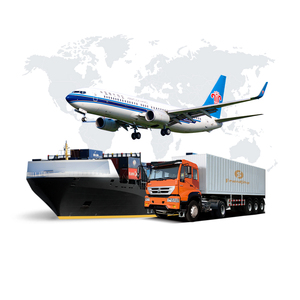
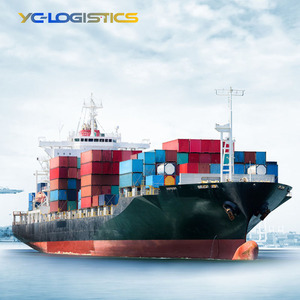
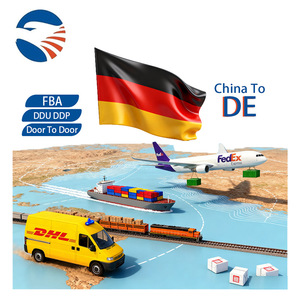


Localized Logistics Scenarios Across Victoria & Melbourne
From the container terminals at Port Phillip Bay to the bustling distribution centers of Victoria's industrial heartland, our supply chain infrastructure delivers pinpoint precision.
Industrial West & Southeast Manufacturing Belts
Melbourne’s key manufacturing hubs—including Truganina, Laverton North, Altona, and Dandenong South—depend on rapid container drayage from Swanson Dock and Webb Dock. We coordinate heavy container transport and breakbulk handling seamlessly.
- Direct port-to-factory container drayage via sideloader or skeletal trailer.
- Heavy industrial machinery handling & specialized flat-rack container ocean transport.
- Just-in-Time (JIT) raw materials delivery for Victorian manufacturing lines.
E-Commerce & Omnichannel Fulfillment Parks
With major fulfillment hubs surrounding Melbourne, e-commerce sellers require rapid LCL container de-consolidation and palletized truck dispatch directly to Amazon warehouses (MEL1, MEL5) and third-party logistics (3PL) nodes.
- Complete DDP (Delivered Duty Paid) door-to-door e-commerce shipping.
- FBA labeling, palletization, and strict adherence to Australian warehouse specs.
- Automated track-and-trace integration from origin factory to domestic distribution.
Perishable Goods & Agricultural Cold-Chain Logistics
Victoria is Australia's agricultural power station. We support regional food and beverage exporters—from the Yarra Valley wine producers to Gippsland dairy farms—with refrigerated reefer container forwarding through Melbourne ports.
- Active temperature-controlled reefer monitoring (FCL Reefers).
- DAFF Export Health Certification documentation and fast customs clearance.
- Air freight cold-chain express dispatch via Melbourne Airport (MEL).
Time-Critical Automotive & High-Tech Air Cargo
For urgent electronics, commercial samples, medical devices, and automotive components, air freight via Melbourne Airport (Tullamarine) provides rapid clearance and emergency sameday dispatch across the greater Melbourne metro area.
- TSA-approved secure air chain protocols and priority ramp retrieval.
- Pre-lodgment of Australian Border Force (ABF) customs declarations.
- Hot-shot direct courier transport from airport cargo terminal to site.
Melbourne Supply Chain & Maritime Development Trends
Navigating the evolving regulatory landscape, biosecurity controls, and port infrastructure upgrades shaping Victorian trade corridors.
Port of Melbourne Capacity Expansion
As Australia's largest container and general cargo port, the Port of Melbourne handles over 3 million TEUs annually. Ongoing port rail transformation projects and terminal automation at Webb Dock East are accelerating container turnaround times, requiring forwarders to maintain dynamic drayage scheduling to prevent demurrage fees.
DAFF Biosecurity & Seasonal BMSB Measures
The Australian Department of Agriculture, Fisheries and Forestry (DAFF) enforces strict biosecurity standards. Victorian importers face rigorous seasonal Brown Marmorated Stink Bug (BMSB) requirements between September and April, making offshore heat treatment or fumigation compliance essential for zero-delay entry.
ChFTA & Duty Preference Optimization
Under the China-Australia Free Trade Agreement (ChFTA), thousands of tariff lines qualify for zero-duty entry into Victoria. Expert forwarders assist importers with precise HS Code classification and COO (Certificate of Origin) verification to eliminate unnecessary import taxes.
Enterprise Strengths Serving the Melbourne Trade Community
Combining global freight infrastructure with localized Australian customs capability to deliver total operational peace of mind.
Dedicated Customer Care
We provide hands-on, highly responsive account management. Your shipments into Melbourne are managed by direct operational contacts—no automated call centers or ticketing bottlenecks.
20+ Years Industry Experience
Two decades of international freight forwarding, customs brokerage, and supply chain management ensure your cargo moves through complex trade routes smoothly and efficiently.
In-House Licensed Brokerage
Our customs specialists work directly with Australian Border Force (ABF) and DAFF officials, ensuring rapid document processing, duty optimization, and quarantine compliance.
Multimodal Infrastructure
From TSA-approved air freight channels to FCL ocean liner contracts and domestic truckload (FTL/LTL) distribution, we control the entire supply chain end-to-end.
Tailored Freight Contracting
Every commercial importer has unique constraints. We engineer custom shipping strategies, flexible warehousing solutions, and optimized schedules tailored to your business goals.
Comprehensive Cargo Risk Coverage
Protect your high-value commercial shipments with our all-risk international marine and air freight insurance solutions, safeguarding your cargo across every transit leg.
Melbourne Freight & Customs Brokerage FAQ
Essential insights for buyers, procurement managers, and exporters shipping goods into Victoria, Australia.
What is the typical ocean freight transit time to Port of Melbourne?
Transit times vary by origin port. Ocean container shipments from major Asian trade hubs (e.g., Shanghai, Shenzhen, Ningbo) to Port of Melbourne typically take 12 to 18 days for direct sailings. Transshipment services via Singapore or Malaysia can take 20 to 25 days. Upon vessel arrival at Swanson Dock or Webb Dock, container discharge and customs clearance generally take an additional 24 to 48 hours assuming all documentation is pre-lodged correctly.
How does Australian GST and Customs Duty apply to imports into Victoria?
Imported goods into Australia are subject to a 10% Goods and Services Tax (GST) calculated on the Customs Value (CV) plus international transport and insurance charges (CIF). General customs duty rates are 5%, but goods originating from FTA partner countries (such as China under ChFTA) often qualify for 0% duty when accompanied by a valid Certificate of Origin (COO). Our licensed customs brokers pre-calculate duties to ensure seamless clearance.
What biosecurity regulations (DAFF) affect wood packaging and containers?
The Department of Agriculture, Fisheries and Forestry (DAFF) enforces strict biosecurity rules. All timber packaging materials (pallets, crates, dunnage) must be ISPM 15 compliant with clear heat-treatment or methyl bromide marks. Furthermore, during the seasonal BMSB target period (Sept 1 to April 30), high-risk goods arriving from target risk countries must undergo mandatory offshore treatment before shipment to prevent severe port quarantine delays in Melbourne.
What is the difference between DDP, DDU, and FOB for Melbourne shipments?
Under FOB (Free on Board), the buyer assumes control of freight charges, insurance, and risk once the supplier loads the container onto the vessel at origin. Under DDU (Delivered Duty Unpaid), the forwarder manages international transit to your Melbourne address, but the buyer pays local duties/taxes directly to customs. Under DDP (Delivered Duty Paid), your forwarder manages the entire process—ocean/air freight, ABF customs clearance, GST/duty payments, and final delivery—giving you a single, all-inclusive land cost.
How do forwarders prevent container detention and demurrage charges at Port of Melbourne?
Port terminals (Patrick, DP World, VICT) offer strict free storage windows (typically 3 days post-vessel discharge). Shipping lines offer limited free container time (usually 7 days). To avoid costly detention fees, our operations team coordinates early manifest pre-lodgment, secures vehicle booking slots (VBS) in advance, and utilizes local Melbourne container yards for immediate drayage and de-consolidation.
Why choose Air Freight via Tullamarine Airport over Ocean Freight?
Air freight via Melbourne Airport (MEL) is ideal for urgent, high-value, or time-sensitive cargo. While sea freight is more economical for bulky goods, air transit takes just 2 to 5 days door-to-door from overseas origins. It also minimizes inventory holding costs, reduces risks of transport damage, and avoids seasonal maritime port congestion.
Streamline Your Supply Chain to Melbourne Today
Get direct access to competitive ocean and air freight quotes, licensed customs entry clearance, and specialized logistics consulting for your Victorian import or export operations.