






Macroeconomic Architecture: Greece as Europe’s Southern Logistics Apex
The global trade dynamic between manufacturing hubs in Asia, North America, and European consumer markets has undergone a fundamental structural shift. Within this re-engineered global supply chain landscape, Greece has emerged as the premier maritime and intermodal gateway to Central, Eastern, and Southern Europe. Positioned strategically at the intersection of three continents—Europe, Asia, and Africa—Greece provides international freight manufacturers and factory networks with an undeniable transit lead-time advantage over traditional Northern European discharge ports such as Rotterdam, Hamburg, or Antwerp.
At the center of this logistics transformation is the Port of Piraeus (PPA), now ranked among the top container terminals in Europe. By routing ocean freight directly through the Suez Canal into Piraeus, international freight forwarders reduce maritime transit times from major Asian manufacturing centers (such as Shenzhen, Ningbo, Shanghai, and Qingdao) by 7 to 10 days compared to Western European routing. Furthermore, the integration of the China-Europe Land-Sea Express Line connects Piraeus directly via high-speed freight rail to the Balkan hinterlands, Hungary, Austria, and the Czech Republic, establishing an efficient trade artery for global manufacturers.
.jpg)
Strategic Information Gain Insight: Sourcing cargo into the Greek market requires a dual-hub strategy: utilizing the Port of Piraeus for heavy industrial, bulk FCL, and consolidated LCL sea freight, while leveraging Athens International Airport (ATH) and Thessaloniki Port Authority (ThPA) for time-sensitive, high-value manufacturing components destined for North Greece and Balkan regional distributors.
Comprehensive Freight Modalities for Manufacturers Sourcing into Greece
Navigating the Greek transport matrix requires an intimate understanding of modal selection, container drayage capabilities, transloading infrastructure, and inland trucking routes. Global manufacturers must calibrate their shipping modalities based on volume, cargo density, target delivery windows, and Incoterm liabilities.
1. Ocean Freight Engineering: FCL vs. LCL Solutions
Ocean transportation remains the backbone of trade entering the Hellenic Republic. Importers can leverage two principal ocean carrier structures:
- Full Container Load (FCL): Ideal for high-volume manufacturing shipments, raw material bulk, and heavy machinery. Utilizing 20GP, 40GP, and 40HQ High-Cube containers provides maximum volumetric cost efficiency. Direct carrier contracts negotiated by tier-one forwarders guarantee space allocation during peak shipping seasons.
- Less Than Container Load (LCL Consolidation): Designed for SME importers and low-volume factory orders. LCL freight consolidates cargo from multiple manufacturers at Asian or North American Container Freight Stations (CFS), discharging at Piraeus or Thessaloniki for de-consolidation and rapid customs clearance.
2. TSA-Approved Air Freight & Express Speed Cargo
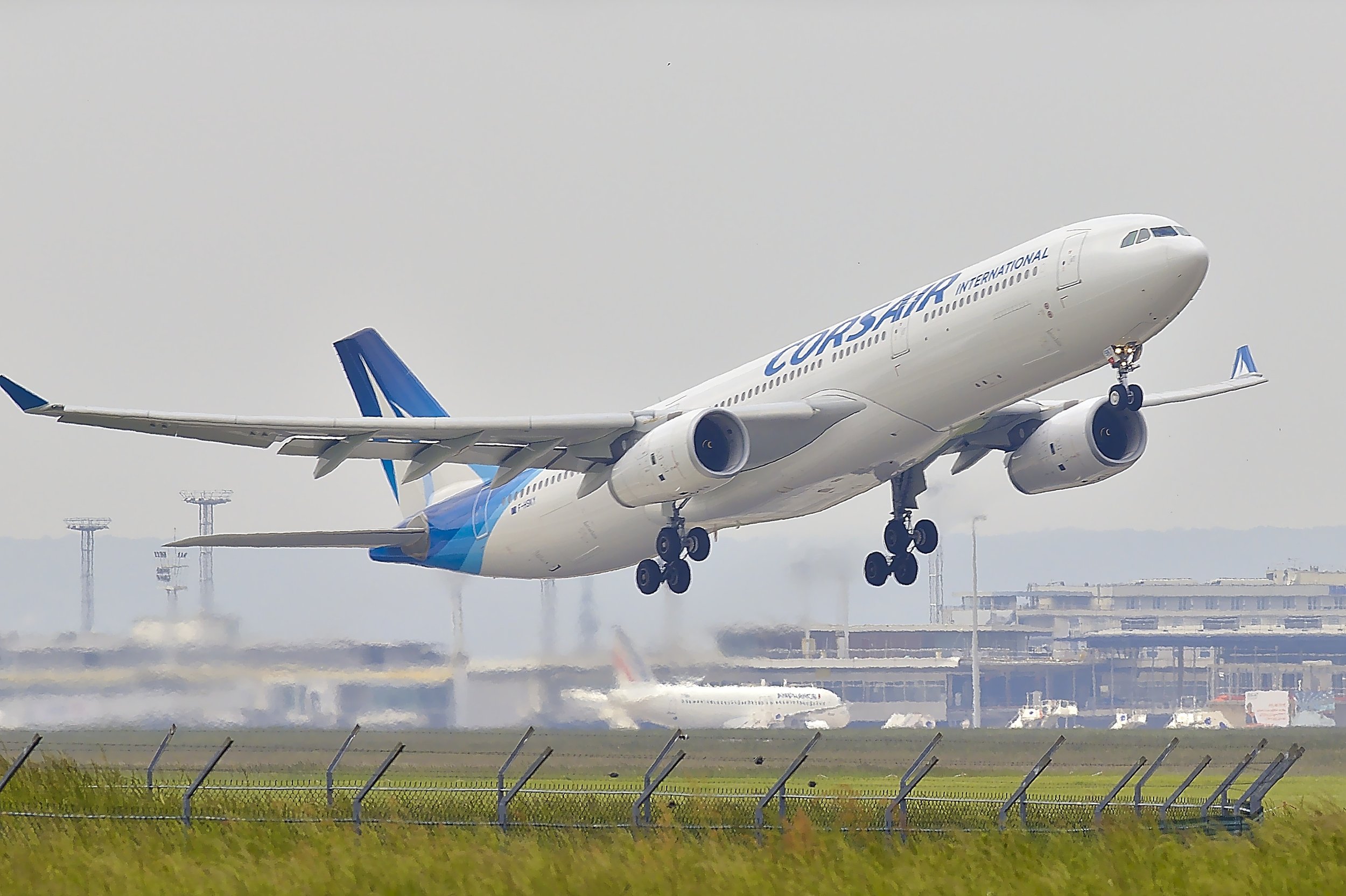
For high-value electronics, pharmaceuticals, automotive spares, and emergency factory replenishment, air shipping provides unmatched speed. Utilizing TSA-approved freight forwarders ensures that air cargo originating in the US or Asia undergoes rigorous security screening prior to departure, bypassing domestic transit delays and landing smoothly at Athens International Airport (ATH) for immediate customs release.
3. Container Drayage, Transloading, and Inland Trucking
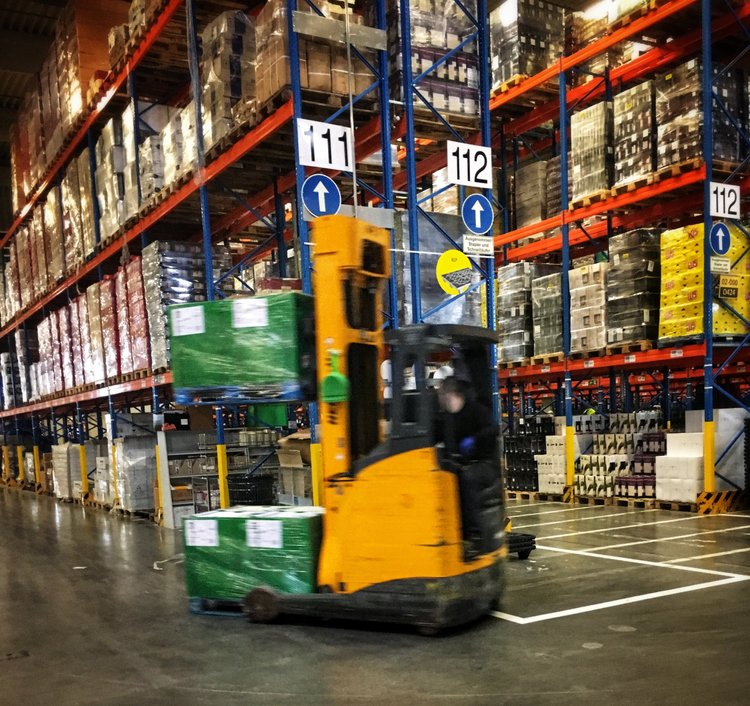
Port congestion and demurrage charges are major drivers of supply chain friction. Dedicated freight management involves immediate container drayage from Piraeus terminals to nearby logistics parks in Attica (e.g., Aspropyrgos and Magoula). Here, transloading services transfer goods from ocean containers directly into curtain-side trailer trucks or intermodal rail cars, enabling seamless distribution along the Egnatia Odos highway network across Northern Greece and into neighboring EU member states.


Visual Data Benchmark: Sourcing & Logistics Performance Matrix
To provide actionable strategic value for procurement directors, the following table synthesizes operational parameters across key international trade routes bound for the Greek market:
| Origin Region | Primary Modality | Discharge Port / Hub | Avg. Transit Time | Customs Protocol | Recommended Incoterm |
|---|---|---|---|---|---|
| East China (Ningbo/Shanghai) | Ocean FCL / LCL | Port of Piraeus (PPA) | 18 - 22 Days | AADE Digital Import / T1 | DDP / CIF Piraeus |
| South China (Shenzhen/HK) | Express Air Freight | Athens Airport (ATH) | 3 - 5 Days | Pre-Cleared TSA Protocol | DDP Door-to-Door |
| US West Coast (Los Angeles) | Ocean / Air Intermodal | Piraeus / ATH Airport | 25 - 30 Days (Sea) | EU EORI & AFM Registered | FOB / DDP Destination |
| Southeast Asia (Vietnam/SG) | Direct Ocean Line | Thessaloniki (ThPA) | 20 - 24 Days | Balkan Transit Clearance | DDP / DAP Factory |
Regulatory Architecture: EU Customs Clearance & Tax Compliance in Greece
Importing manufactured goods into Greece requires strict adherence to the Union Customs Code (UCC) enforced locally by the Independent Authority for Public Revenue (AADE). Non-compliance leads to severe port hold-ups, storage penalties, and potential cargo seizure.
Key Regulatory Pillars for Importers:
- EORI Number (Economic Operators Registration and Identification): Mandatory for all corporate entities importing into the EU. Non-EU manufacturers must partner with an established Greek logistics partner or fiscal representative holding an active EORI.
- Tax Identification Number (AFM Registration): Greek tax authorities require proper VAT accounting. Under Delivered Duty Paid (DDP) shipping terms, the freight forwarder handles all local Value Added Tax (standard 24% in Greece) and import duties on behalf of the overseas seller or buyer.
- T1 Transit Declaration: Used when cargo arrives at Piraeus but is bound for customs clearance in another EU member state (e.g., Bulgaria, Romania, or Germany). The T1 document allows duty-suspended transit across borders under bonded inland trucking.
- ISPM 15 Wood Packaging Certification: All wooden pallets, crates, and dunnage accompanying manufactured goods must carry international heat-treatment stamps to pass Greek agricultural inspection.

Why Partner with Recommended Cargo Logistics Inc.?
Navigating Mediterranean logistics requires an authoritative, highly experienced partner capable of bridging global factories with regional buyer networks. Recommended Cargo Logistics Inc. stands as a premier TSA-approved international freight forwarder with over two decades of operational mastery.
TSA-Approved Authority
Certified air cargo status guaranteeing priority booking, rapid security clearance, and direct air carrier access for time-sensitive factory shipments worldwide.
End-to-End DDP Execution
Full ownership of customs clearance, tax payouts, port fees, and final door-to-door delivery—eliminating unexpected surcharges for Greek buyers.
Dedicated Account Care
Direct communication channels with experienced logistics strategists. No call centers or automated ticketing—just personal accountability and real-time updates.
User Intent Mining & Localized Procurement FAQ
To assist procurement managers, sourcing agents, and factory representatives targeting the Greek market, we have compiled answers to the most critical operational queries:
Ready to Optimize Your Freight Strategy in Greece?
Connect directly with our senior logistics engineering team to request customized route quotes, schedule factory cargo pickups, or access full product service catalogs.
Get Catalog