
Curated Intermodal Services for Nagoya Trade Corridors
High-efficiency international ocean freight, expedited air cargo, DDP door-to-door transit, and customized multimodal logistics designed specifically for Chubu industrial exporters & importers.
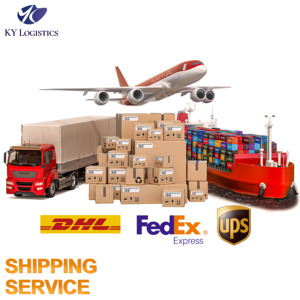 Air & Sea DDP
Express Sea & Air DDP LCL Logistics Service for Industrial Manufacturers
Streamlined Less-than-Container Load (LCL) consolidation offering direct ocean and expedited sea-air routes. Fully integrated DDP customs clearance tailored for machinery components entering the Nagoya industrial ecosystem.
 Ocean FCL / LCL
Maritime Freight Forwarding & Ocean Container Transport (Port of Nagoya)
Premier international maritime transport connecting Port of Nagoya with North American and European hubs. Includes dedicated container drayage, port handling, and direct factory delivery options.
 E-Commerce SCM
Multimodal Door-to-Door Fulfillment & Cross-Border E-Commerce Express
End-to-end e-commerce logistics tailored for Japanese sellers and international brands. Complete automated tracking, duty prepaid options, and swift transit directly to Chubu distribution centers.
 Maritime Drayage
Specialized DDP Sea Shipping & Intermodal Drayage Logistics Network
Seamless sea-to-rail and sea-to-truck intermodal transportation. Designed for heavy machinery, automotive spares, and industrial raw materials requiring bonded transfer across Japan's main highways.
 TSA-Approved Air
TSA-Approved Expedited Air Freight Forwarding via Chubu Centrair (NGO)
High-priority air transport for time-critical automotive and robotics components. Leveraging direct flights through Chubu Centrair International Airport with guaranteed space allotments.
 Global Express
Integrated Sea-Air-Express Cargo Solutions & Multi-Carrier Routing
Flexible multi-carrier strategy combining ocean cost efficiencies with express air delivery speed. Complete cargo security, insurance protection, and full NACCS customs compliance.
 Global LCL Hub
Worldwide LCL Consolidation & Container De-Consolidation Services
Cost-efficient shared container freight options. Strategic warehousing near Port of Nagoya for fast de-consolidation, sorting, transloading, and nationwide distribution.
 Heavy & Oversized
High-Capacity Full Container Load (FCL) & Breakbulk Heavy Logistics
Tailored engineering logistics for heavy equipment exporters in Aichi, Gifu, and Mie prefectures. Customized flat-rack, open-top container solutions with strict route inspection.
Recommended Cargo Logistics Core Capabilities
Combining over two decades of global logistics expertise with direct local execution in North America and Asian gateways.
TSA-Approved Cargo Carrier
As a certified TSA Indirect Air Carrier (IAC), we enforce rigorous security protocols for time-critical air freight imports and exports through LAX and NGO airports.
Inland Trucking & Drayage
Full Truckload (FTL) and Less Than Truckload (LTL) services covering all 48 US mainland states, seamlessly connected to Port of Nagoya container drayage fleets.
In-House Customs Brokerage
Licensed brokerage professionals operating direct integration with US Customs & Border Protection (CBP) and Japan's Nippon Automated Cargo and Port Consolidated System (NACCS).
Transloading & Warehousing
Strategic cross-docking facilities providing rapid container transloading, short/long-term storage, inventory management, and specialized palletization.
Dedicated Account Support
Direct access to experienced logistics engineers. No call centers or impersonal queues—just transparent, responsive single-point-of-contact support.
Full Cargo Risk Protection
Comprehensive All-Risk marine cargo insurance policies tailored for high-value industrial machinery, automotive tooling, and electronic exports.
Localized Application Scenarios in Greater Nagoya Industry
The Greater Nagoya region—encompassing Aichi, Gifu, and Mie prefectures—stands as Japan's unrivaled industrial heartland. Accounting for nearly 40% of Japan’s total manufacturing output, the region requires highly specialized intermodal supply chain configurations. Generic logistics frameworks fail to satisfy the strict Just-In-Time (JIT) demands of local original equipment manufacturers (OEMs). Below are four tailored intermodal operational models designed for Nagoya's key industrial clusters:
Scenario 1: Automotive Supply Chain Integration (Toyota City & Kariya Industrial Belt)
Automotive assembly plants in Toyota City, Kariya, and Anjo operate under ultra-lean production principles. Any delay in component delivery risks halting multi-million-dollar assembly lines. Our intermodal service coordinates expedited ocean LCL/FCL shipments entering the Tobishima Container Terminal at the Port of Nagoya, bypassing main port bottlenecks via priority drayage onto the Meishin and Tomei Expressways.
Operational Impact: Reduces total inland transit time by 18 to 24 hours from vessel discharge to factory floor, maintaining zero-inventory buffer standards for Tier-1 automotive suppliers.
Scenario 2: Heavy Aerospace Structural Assemblies (Komaki & Chita Peninsula Clusters)
Aichi Prefecture produces over 50% of Japan's aerospace structures, including major fuselage sections and wing assemblies shipped to global aviation primes in North America and Europe. These oversized components cannot be moved via standard dry containers. We deploy heavy-lift flat-rack intermodal transport, coordinating police escort permits, specialized low-boy trailers, and dedicated Ro-Ro (Roll-on/Roll-off) vessel bookings out of Nagoya Port's specialized heavy cargo berths.
Scenario 3: Industrial Robotics & High-Precision Machinery (Yokkaichi & Gifu Tech Zones)
Precision CNC machine tools, industrial arm robotics, and semiconductor equipment manufactured in Mie and Gifu require shock-isolated and climate-controlled intermodal transit. Our solution utilizes air-ride suspension intermodal chassis paired with reefer containers equipped with real-time IoT vibration and humidity telemetry, ensuring high-value equipment arrives calibrated and ready for cleanroom installation.
Scenario 4: High-Velocity E-Commerce Fulfillment via Chubu Centrair International Airport (NGO)
For cross-border consumer products, electronics, and rapid-turn replacement parts, air freight speed is critical. Operating through Chubu Centrair International Airport's 24-hour cargo terminal, our TSA-approved air freight network facilitates immediate customs release under Japanese bonded status, delivering directly to regional fulfillment hubs across Chubu and Kansai within 12 hours of flight arrival.
Logistics Trends & Strategic Corridors: Port of Nagoya Analysis
The Port of Nagoya holds the title of Japan’s largest port by total cargo throughput, handling over 160 million tons annually. As global supply chains restructure toward risk mitigation and carbon reduction, procurement executives in Nagoya are shifting toward hybrid intermodal frameworks. Key regional trends include:
- Modal Shift to Rail & Coastal Shipping: To comply with Japan's "2024 Logistics Problem" driver shortage regulations, long-haul trucking from Tokyo/Osaka ports is being replaced by direct ocean routing to Nagoya Port combined with short-haul intermodal drayage.
- Digital Customs Integration (NACCS 6th Gen): Automated duty calculation and pre-arrival import clearance via NACCS have reduced average import release times at Tobishima Terminal to under 2 hours for compliant freight forwarders.
- Green Freight Corridors: Increased adoption of eco-friendly intermodal rail transfers connecting Nagoya Port with inland logistics terminals in Nagano, Shiga, and Gifu.
| Transport Mode | Primary Gateway | Avg. Transit (US West Coast) | Cost Efficiency Index | Best Suited Cargo Types |
|---|---|---|---|---|
| Direct Ocean FCL | Port of Nagoya (Tobishima) | 12 - 14 Days | ★★★★★ (Highest) | Automotive Parts, Mass Machinery, Raw Materials |
| Consolidated Ocean LCL | Port of Nagoya (NCB) | 14 - 16 Days | ★★★★☆ (Very High) | Medium Industrial Batches, Tooling Spares |
| Sea-Air Intermodal | LAX Hub to NGO Centrair | 6 - 8 Days | ★★★☆☆ (Moderate) | Mid-Tier Value Electronics, Season Goods |
| Expedited Air Cargo | Chubu Centrair (NGO) | 2 - 3 Days | ★★☆☆☆ (Premium) | Emergency JIT Restocks, High-Value Avionics |
Frequently Asked Questions by Nagoya Logistics Managers
Below are authoritative technical answers addressing common procurement, regulatory, and intermodal operational questions for shipments connected to the Nagoya market.
Routing directly through the Port of Nagoya eliminates 350+ kilometers of expensive overland drayage across Japan's central highway network. Nagoya Port offers direct access to the Ise-Wangan Expressway, connecting directly to Toyota City and Komaki industrial parks without experiencing Tokyo or Kansai metropolitan congestion.
Under DDP terms, our in-house customs team handles all import declaration procedures via NACCS, paying the 10% Japanese Consumption Tax (JCT) and applicable customs duties on behalf of the overseas exporter. This ensures seamless delivery to your end receiver in Japan without requiring them to act as the importer of record.
We employ certified heavy-rigging teams at Port of Nagoya and Los Angeles. Shipments utilize specialized air-ride suspension trucks, moisture-proof vacuum packing, industrial anti-corrosion barrier bags, and container shock-monitoring telemetry throughout the entire multimodal journey.
As a TSA-Approved Indirect Air Carrier (IAC), Recommended Cargo Logistics can bypass secondary airport security screenings for cleared cargo. This enables faster tender times at passenger and freighter carrier cut-offs, securing faster transit for urgent factory components.
Yes. We specialize in project cargo logistics, providing route survey reports, weight distribution calculations, low-boy heavy haulage permits, and flat-rack/open-top container securing at Port of Nagoya's specialized breakbulk terminals.
Transloading allows 40ft ocean containers arriving from Nagoya at Port of Los Angeles or Long Beach to be transferred directly into 53ft domestic intermodal trailers. This reduces US inland rail shipping costs by up to 25-30% while accelerating distribution across the 48 mainland US states.
Standard documentation includes the Commercial Invoice, Detailed Packing List, Bill of Lading (B/L) or Air Waybill (AWB), Certificate of Origin (where applicable for tariff preferences), and accurate Harmonized System (HS) Code classifications compliant with Japan Customs standards.
Our single-point account managers provide customized spot and contract freight quotes within 2 to 4 business hours upon receiving your cargo dimensions, weight, origin, and destination address.
Optimize Your Nagoya Supply Chain Network Today
Connect with our senior intermodal logistics specialists to engineer a cost-effective, resilient freight forwarding plan connecting Greater Nagoya with global trade markets.