Ocean Cargo Customs Clearance Factories & Exporter for the Hanoi Market
Authoritative Freight Forwarding, VNACCS Compliance, Form E Preferential Tariff Optimization, and End-to-End DDP Logistics for Northern Vietnam Industrial Hubs
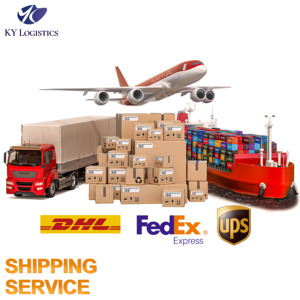
Top Sea Freight Forwarder Agent Shipping DDP Door to Door Transport Maritime International China to Canada France Italy Germany
Full-container-load (FCL) and consolidated ocean transport offering seamlessly managed door-to-door duty-paid delivery for global industrial suppliers.
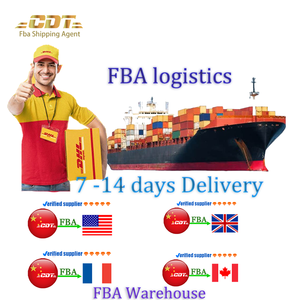
Cheapest Fba Amazon Door To Door Shipping Agent Air/sea Logistics Services China To Usa/Canada/UK/Australian Freight Forwarder
Dedicated multi-modal logistics handling automated customs processing, labeling, and direct-to-warehouse distribution for global e-commerce enterprise sellers.
Best Service DDP Sea Air Freight DHL UPS Express Shipping Agent China To USA Canada UK France Spain Mexico Logistic Forwarder
Integrated express parcel, air charter, and ocean shipping combinations designed for flexible global supply chain integration with full cargo insurance.
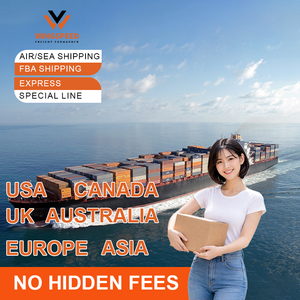
LCL Express Sea Freight Forwarder Worldwide Freight Forwarding Door to Door Ddp Shipping Agent China to USA/Canada/Europe/AU/UK
Cost-optimized less-than-container-load consolidation offering direct port-to-inland depot dispatch, reducing total landed costs for regional manufacturers.
Fast Cheap Sea Air Shipping Agent DDP Logistic Services China to USA UK Canada FR IT DE LCL FCL Express FBA Freight Forwarder
End-to-end intermodal sea-air transit featuring direct customs clearance at inland ICDs and priority trucking to factory doors in high-density industrial zones.
The Greater Hanoi Logistics Ecosystem: Maritime Ingress & Inland Distribution
As Northern Vietnam consolidates its role as a global epicenter for high-tech manufacturing, advanced assembly, and textile production, the strategic alignment between sea freight maritime corridors and inland customs nodes has become mission-critical. Hanoi, serving as the administrative, technical, and commercial nexus of Northern Vietnam, relies heavily on a highly synchronized supply chain framework. Ocean cargo bound for Hanoi factories and export-processing zones does not enter via a direct seaport in the capital itself; rather, it moves through the deep-water maritime gateway of Hai Phong Port (including the Lach Huyen International Deep-Sea Terminal and Nam Dinh Vu Port), before traversing key expressways such as the Hanoi–Hai Phong Highway (CT04) and National Route 5A.
Managing ocean cargo customs clearance for factories and exporters servicing the Hanoi market demands a sophisticated understanding of Vietnam’s customs regulations, port drayage dynamics, and specialized tariff treatment programs. Importers in major surrounding industrial zones—such as Bac Ninh (Samsung, Foxconn hubs), Thai Nguyen, Hung Yen, Ha Nam, and the suburbs of Hanoi (Gia Lam, Dong Anh, Thach That)—frequently leverage Inland Container Depots (ICDs) including ICD My Dinh, ICD Long Bien, and ICD Gia Thuy to execute customs clearance under bond, bypassing coastal port congestion and minimizing total landed costs.
E-E-A-T Technical Insight: Utilizing direct bonded container transit from Port of Hai Phong to Hanoi Inland Container Depots (ICDs) allows foreign-invested factories (FIEs) to avoid coastal container storage surcharges (demurrage/detention) while executing localized VNACCS customs filings closer to production lines.
Routing & Customs Channel Comparison: Ocean Freight to Hanoi Factories
Selecting the optimal logistics routing and customs declaration pathway directly governs your lead times, duty exposure, and risk profile under Northern Vietnamese trade regulations.
Logistics Routing Model
Primary Customs Node
Average Transit (Port-to-Factory)
Target Cargo Categories
Compliance & Duty Optimization
Direct Sea FCL to Hai Phong + Port Clearance
Hai Phong Port Sub-Department (Zone 1, 2, 3)
24 - 48 Hours
Heavy Machinery, Raw Commodities, Standard Containers
Immediate customs release upon vessel discharge; requires expedited document pre-filing.
Bonded Transit Sea FCL to Hanoi ICD
Sub-Department of Customs Hanoi (My Dinh / Long Bien)
Navigating ocean cargo customs clearance in Vietnam requires seamless operational integration with the Vietnam Automated Customs Clearance System (VNACCS) and the Vietnam Customs Intelligence System (VCIS). Administered under Circular No. 38/2015/TT-BTC (amended by Circular No. 39/2018/TT-BTC) and Decree No. 08/2015/ND-CP, customs declarations are algorithmically routed into three primary channels:
Green Channel (Luồng Xanh): Automated clearance without physical document review or cargo inspection. Granted to compliant exporters and established Hanoi importers with clean risk profiles.
Yellow Channel (Luồng Vàng): Physical document examination by customs officials at the Hanoi Sub-Department of Customs or Hai Phong Customs. Inspectors verify invoice values, HS Code classifications, Bill of Lading descriptions, and Certificate of Origin (C/O) validity.
Red Channel (Luồng Đỏ): Full physical cargo inspection mandatory. Cargo is transferred to container examination stations at the port or ICD, subject to 5% to 100% manual unloading and verification against declaration paperwork.
For international exporters and local Hanoi factories, avoiding unnecessary Red Channel routing is paramount. Discrepancies in 8-digit Vietnam Harmonized System (AHTN) tariff codes, invalid weight disclosures, or minor clerical errors on shipping documents can trigger severe administrative penalties, customs holds, and spiraling supply chain disruptions.
ACFTA Form E Preferential Tariff Optimization for China-Hanoi Cargo Trade
A fundamental financial lever for factories and trading companies importing ocean cargo into the Hanoi market is the utilization of preferential tariffs under the ASEAN-China Free Trade Area (ACFTA) framework. By presenting a valid Form E Certificate of Origin issued by authorized Chinese authorities (CCPIT or China Customs), importers in Hanoi can dramatically reduce or completely eliminate standard Most-Favored-Nation (MFN) import duties across thousands of industrial tariff lines.
However, Vietnam Customs scrutinizes Form E certificates with exceptional rigor. Common pitfalls that lead to the rejection of Form E preferential treatment by Hanoi customs officers include:
HS Code Mismatches
Discrepancies between the 6-digit international HS Code on the Form E and the 8-digit Vietnam AHTN code declared in the VNACCS system.
Third-Party Invoicing Rules
Failure to properly check Box 13 ("Third Party Invoicing") when trading companies execute commercial transactions outside the country of origin.
Route Non-Manipulation
Lack of Certificate of Non-Manipulation when ocean cargo transits through intermediate ports such as Hong Kong or Singapore before reaching Hai Phong.
Operational Excellence
Localized Application Scenarios Across Hanoi Industrial Hubs
Real-world logistics execution tailored to the unique supply chain needs of foreign-invested enterprise (FIE) manufacturing clusters in Northern Vietnam.
Challenge: High-value, delicate micro-electronic parts require temperature-controlled ocean reefers or specialized air-sea transit with zero customs delays at Hai Phong Port to supply surface-mount technology (SMT) production lines in Bac Ninh.
Solution: Expedited VNACCS Yellow/Green pre-clearance under bonded transit, dismounting containers directly at factory cleanrooms with specialized air-ride drayage trucks within 36 hours of ship arrival.
Challenge: Out-of-gauge (OOG) machinery, heavy CNC equipment, and semi-knocked-down (SKD) production lines imported by heavy industrial exporters bound for Dong Anh and Hung Yen industrial parks.
Solution: Open-top container maritime transport combined with heavy-haul low-boy trailer drayage. Comprehensive customs physical inspection (Red Channel) management directly at the Hai Phong port terminal.
Raw Material Imports for Export Processing Enterprises (EPEs)
Challenge: Textile, garment, and footwear factories located in Ha Nam and Nam Dinh operating under EPE status require zero-VAT and zero-duty customs declarations under Law No. 107/2016/QH13.
Solution: Automated EPE declaration filing in VNACCS, managing duty-exempt bonded container movements with strict scrap, yield, and liquidity reporting compliance.
Future Growth Drivers
Logistics Trends Shaping the Hanoi Ocean Cargo Landscape
Strategic shifts in Northern Vietnam’s infrastructure, regulatory framework, and global trade integration through 2030.
Lach Huyen Deep-Sea Expansion
The ongoing development of Berths 3, 4, 5, and 6 at Lach Huyen Deep-Sea Port allows direct ocean calls for ultra-large container vessels (ULCVs) connecting Northern Vietnam directly to North America and Europe without feeder transshipment in Singapore, shaving 4-6 days off global transit to Hanoi.
Digitalization of Vietnam Customs
The General Department of Vietnam Customs is accelerating the deployment of a fully automated digital customs ecosystem by 2026. Automated artificial intelligence risk-scoring in VNACCS is prioritizing digitized e-certificates of origin, e-bills of lading, and paperless smart border clearance.
China-Vietnam Intermodal Rail-Sea Synergy
The integration of cross-border railway corridors (Kunming-Hanoi-Hai Phong & Nanning-Hanoi) with ocean shipping lines provides Hanoi exporters with a resilient hybrid supply chain, offering an agile alternative when maritime routes experience seasonal peak congestion.
Why Choose Us
Recommended Cargo Logistics Capabilities for the Hanoi Market
Unrivaled enterprise strengths built over two decades of global freight forwarding, licensed customs brokerage, and specialized cross-border logistics.
TSA-Approved & NVOCC Certified
As a TSA-approved indirect air carrier and licensed NVOCC freight forwarder, we uphold the highest international security, operational, and regulatory compliance standards across every air and ocean shipment.
In-House Customs Brokers & Legal Experts
Our licensed customs brokers work directly within VNACCS systems to manage tariff classification, HS Code alignment, Form E validation, and post-clearance audit protection for foreign investors in Hanoi.
End-to-End DDP Door-to-Door Execution
We eliminate complex multi-vendor handoffs by taking total operational accountability—managing ocean shipping, customs duties, local VAT, and bonded inland trucking straight to your factory floor.
Knowledge Base
Frequently Asked Questions: Ocean Customs in Hanoi
Expert answers to common regulatory, tax, and operational inquiries from local buyers and global exporters serving Northern Vietnam.
What is the typical ocean transit time and total clearance duration from major Asian ports to Hanoi factories?
Port-to-port ocean transit from major Chinese hubs (Shanghai, Ningbo, Shenzhen) to Hai Phong Port ranges from 3 to 7 days. Once the container arrives at Hai Phong Port or a Hanoi ICD (such as My Dinh or Long Bien), VNACCS Green Channel customs clearance is completed within 2 to 4 hours. Yellow Channel document reviews take 12 to 24 hours, while Red Channel physical inspections take 24 to 48 hours. Total lead time from port discharge to factory delivery in Bac Ninh or Hanoi is typically 2 to 4 business days.
How does Delivered Duty Paid (DDP) freight forwarding operate for Hanoi buyers?
Under a DDP (Delivered Duty Paid) agreement, Recommended Cargo Logistics handles every stage of the international supply chain. We collect ocean freight at origin, manage maritime transportation, execute import customs brokerage in Vietnam under VNACCS, pay all applicable import duties and Value Added Tax (VAT), and coordinate inland drayage directly to the buyer's facility in Hanoi. The local buyer receives the cargo with zero customs complexity or unexpected port fees.
What specific customs duty tax exemptions apply to Export Processing Enterprises (EPEs) in Northern Vietnam?
Under Vietnamese Law on Export and Import Duties (Law No. 107/2016/QH13), certified Export Processing Enterprises (EPEs) operating in Hanoi, Bac Ninh, and surrounding provinces are exempt from import tariffs (0%) and Value-Added Tax (0% VAT) on raw materials, machinery, and production supplies imported strictly to manufacture goods for export. Proper declaration codes must be selected in VNACCS, and annual usageliquidity balance reports must be submitted to customs authorities.
What happens if a Form E Certificate of Origin is rejected by Vietnam Customs?
If Hanoi customs officers reject a Form E certificate due to clerical errors, HS Code discrepancies, or missing third-party invoicing details, preferential tariff treatment is suspended, and standard MFN duty rates are assessed. However, importers have the right to request a temporary customs security deposit or pay MFN duties under protest while submitting a corrected or replacement Form E within 30 days to claim a complete duty refund.
Can ocean cargo containers be customs-cleared directly in Hanoi instead of at Hai Phong Port?
Yes. By issuing a Through Bill of Lading (TBL) specifying an Inland Container Depot in Hanoi (e.g., ICD My Dinh or ICD Long Bien) as the final place of delivery, containers move under customs bond from Hai Phong Port to Hanoi. Customs declaration, inspection, and final tax payment take place directly at the Hanoi Sub-Department of Customs, significantly reducing turnaround times for local factories.
Optimize Your Ocean Freight & Customs Clearance in Hanoi
Partner with TSA-approved international freight forwarders and licensed customs specialists. Get instant access to optimized ocean routes, ACFTA duty savings, and seamless DDP delivery today.