
Executive Summary: Navigating Rail Freight Supply Chains in the Peru Market
The Republic of Peru represents one of South America’s most dynamically shifting logistics landscapes. As a central gateway along the Pacific Coast of Latin America, Peru’s economic backbone relies heavily on the efficient extraction and export of mineral wealth—including copper, zinc, lead, and silver—alongside a booming agri-industrial export sector. Essential to moving millions of metric tons of bulk, breakbulk, and containerized freight across extreme topography are the country's specialized rail networks and international freight integration partners.
This technical whitepaper examines the operational complexities, infrastructure developments, procurement frameworks, and multimodal strategies surrounding rail freight suppliers & exporters in the Peru market. Designed for global supply chain directors, procurement executives, and international trading houses, this document outlines how intermodal coordination between Pacific maritime hubs (such as Callao and the megaport of Chancay) and inland railway concessions creates unbeatable efficiency and information gain across the global supply chain.
Topographic Realities & Macro Infrastructure of Peruvian Rail Operations
Operating rail transportation in Peru presents structural challenges unique in global logistics. The Peruvian Andes divide the narrow, arid coastal strip from the eastern Amazonian basin, forcing railway concessions to operate at extreme gradients and staggering altitudes. Navigating these geographic constraints demands highly specialized rolling stock, heavy-haul diesel-electric locomotives fitted with high-altitude turbochargers, and rigid preventive maintenance protocols.
1. The Central Railway Corridor (Ferrocarril Central Andino - FCCA)
The Central Railway is a engineering marvel running from the Pacific port city of Callao, through Metropolitan Lima, ascending up the Rimac Valley to the mining hubs of La Oroya, Huancayo, and Cerro de Pasco. Crossing the Galera Tunnel at 4,781 meters (15,686 feet) above sea level, FCCA is one of the highest standard-gauge (1,435 mm) railways in the world.
FCCA serves as the vital artery for Peru's mining exporters. Concentrates of copper, zinc, and lead harvested in the central highlands are consolidated into bulk hopper cars and specialized containerized tipper cars, moved downhill to the Port of Callao for international ocean shipping to smelters across China, East Asia, Europe, and North America.
2. The Southern Railway Corridor (Fetransa / PeruRail Logistics)
Spanning the southern mining corridor and agricultural zones, the Southern Railway links the deepwater ocean ports of Matarani and Mollendo in the Arequipa department to inland economic hubs including Arequipa, Juliaca, Puno (Lake Titicaca), and Cusco. Operating on standard gauge, the southern network carries enormous volumes of copper concentrates from major mining operations (such as Las Bambas, Cerro Verde, and Antapaccay) directly to port terminals.
.jpg)
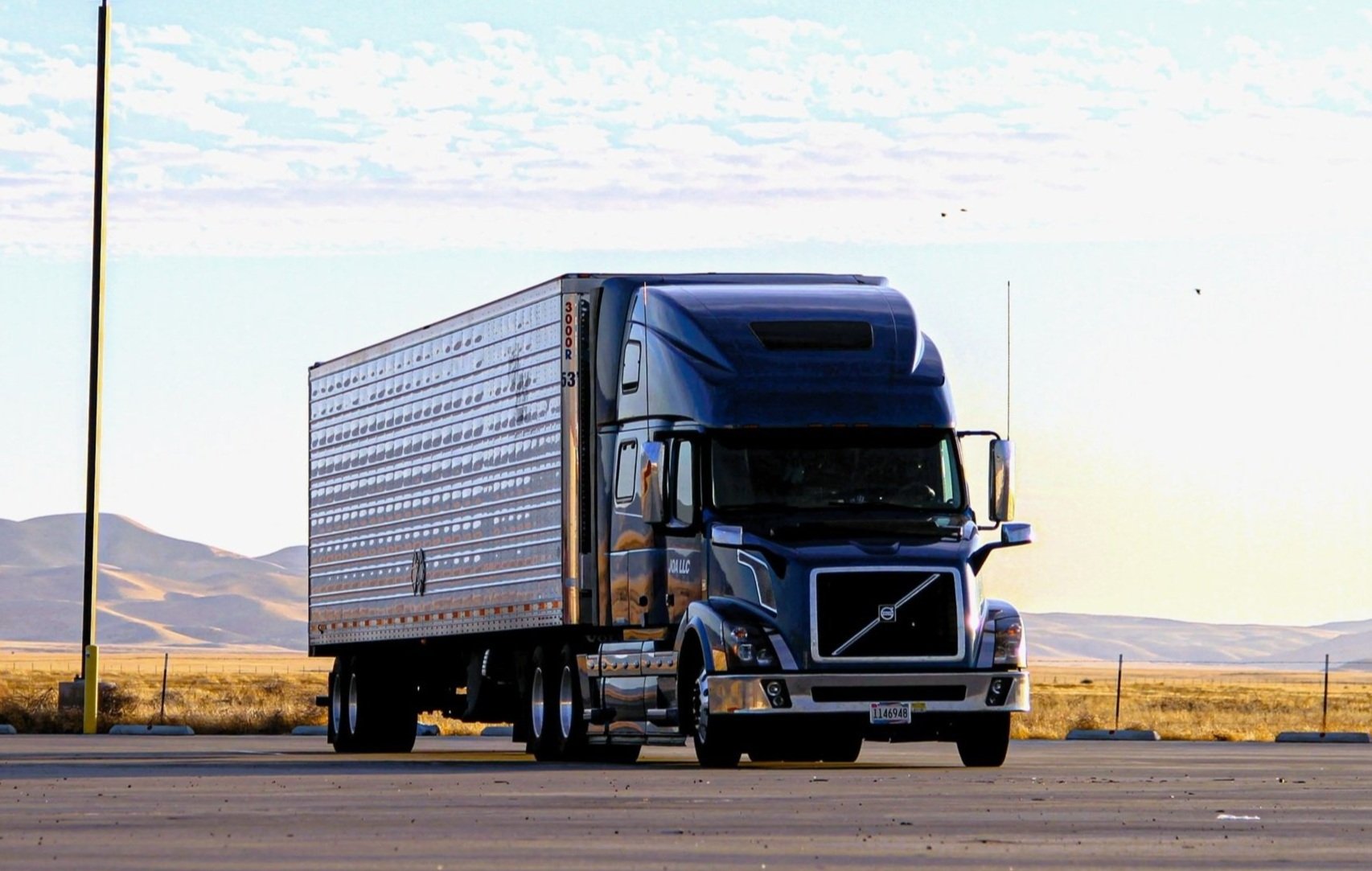
Technical Specifications & Locomotive Equipment Standards
Rail freight suppliers operating within or exporting equipment into Peru must adhere to rigorous technical standards established by the Ministry of Transport and Communications (MTC) and OSITRAN (the supervisory body for investment in public transport infrastructure). Understanding these operational specifications is essential for equipment manufacturers, leasing agencies, and freight buyers.
| Parameter / Metric | Central Railway Network (FCCA) | Southern Railway Network (Fetransa) | Tacna-Arica Railway |
|---|---|---|---|
| Track Gauge | Standard Gauge (1,435 mm / 4 ft 8.5 in) | Standard Gauge (1,435 mm / 4 ft 8.5 in) | Standard Gauge (1,435 mm) |
| Max Axle Load | 22.5 to 25.0 Metric Tons | 20.5 to 22.5 Metric Tons | 18.0 Metric Tons |
| Primary Freight Types | Copper/Zinc Concentrates, Sulfuric Acid, Bulk Steel, Containers | Copper Cathodes/Concentrates, Fuel, Grain, Fertilizer | Cross-Border General Cargo & Passenger |
| Braking Architecture | Dynamic Braking + ECP Air Brakes (High Altitude Modified) | Dynamic Braking + Standard Air Brakes | Pneumatic Friction Braking |
| Peak Rail Altitude | 4,781 meters (Ticlio / Galera) | 4,470 meters (Crucero Alto) | Below 500 meters |
Localized Application Scenarios for Freight Procurement
When enterprise clients seek freight forwarding solutions to or from Peru, rail freight rarely functions in isolation. True operational efficiency is achieved via Multimodal Integration (Sea-Rail-Road). Recommended Cargo Logistics brings over two decades of international freight forwarding, TSA-approved operations, licensed customs brokerage, container transloading, and door-to-door (DDP) logistics expertise to bridge international ocean trade lanes with Peru's internal rail networks.
1. Bulk Mining Concentrates & Chemical Logistics
Moving unrefined copper ore and hazardous reagents (such as sulfuric acid used in leaching processes) requires specialized ISO tank containers and custom-engineered side-tipping rail cars with sealed covers to prevent environmental dust loss along delicate Andean watersheds.
2. Heavy Machinery & Project Cargo Imports
Importing rail locomotives, mining excavators, turnouts, and structural steel from global manufacturing centers (China, USA, Europe) requires specialized breakbulk ocean transport, port drayage in Callao, and heavy-haul transloading onto flatbed rail cars.
3. Containerized Intermodal Agri-Exports
Peru's agricultural boom—exporting table grapes, blueberries, avocados, and asparagus—demands precise cold-chain intermodal transfers. Reefer containers loaded at inland processing plants are transported via road-rail corridors under strict temperature control for immediate vessel loading.
Key Trends Reshaping the Peruvian Rail & Multimodal Sector (2025–2030)
As global trade patterns realign and South America expands its Pacific commerce capabilities, several macro trends are accelerating investment in Peru’s freight network:
1. The Megapuerto de Chancay Impact & Rail Expansion Projects
The inauguration of the Cosco Shipping Ports Chancay terminal (located 78 km north of Lima) is transforming Peru into the dominant transshipment hub of the South American Pacific coast. Capable of receiving ultra-large container vessels (ULCVs) up to 24,000 TEU, Chancay drastically reduces transit times to Asia (from 35-40 days down to 23-25 days). To maximize efficiency, master transport plans envision new rail link feeder lines connecting Chancay directly to the Central Railway and northern agricultural regions, avoiding urban highway congestion in Metropolitan Lima.
2. The Transcontinental Bioceanic Railway Corridor
The long-discussed Bioceanic Railway Corridor aims to connect the Atlantic port of Santos (Brazil) through Bolivia to the Pacific ports of Southern Peru (Ilo or Matarani). Once fully realized, this megaproject will allow Brazilian soybean, grain, and beef exports to bypass the Panama Canal or Cape Horn, funneling vast tonnages directly into Peruvian rail and port systems bound for Asian markets.
3. Digitalization, IoT Telemetry, and High-Altitude Automation
Modern suppliers and operators are equipping rolling stock with real-time GPS sensors, wheel-impact load detectors (WILD), and automated brake pressure monitors. In high-altitude environments where extreme ambient temperature shifts affect air pressure systems, continuous telemetry ensures operational safety and prevents derailment risks on steep 4.3% mountain gradients.
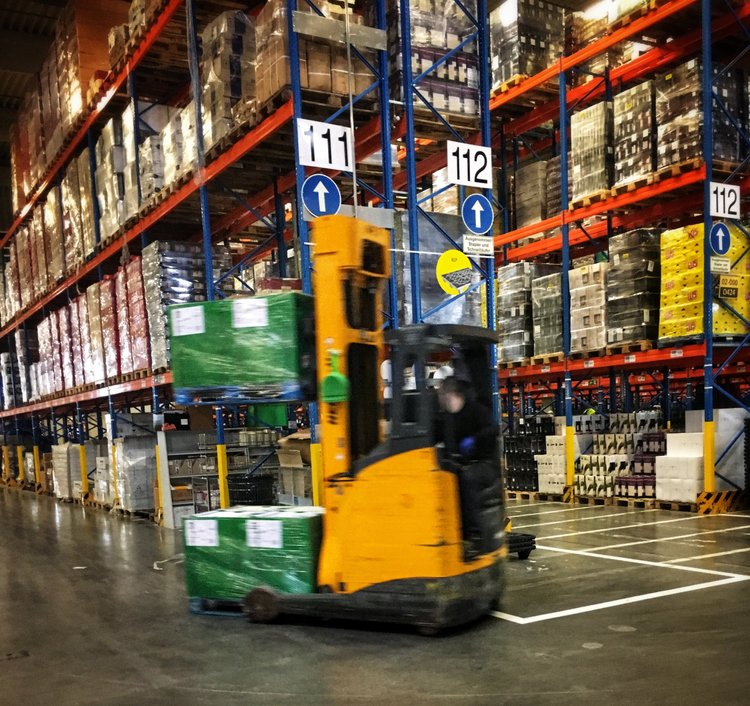

Enterprise Advantage: Why Choose Recommended Cargo Logistics?
Navigating cross-border procurement, international ocean freight forwarding, and localized rail transshipment in South America requires an experienced partner with deep operational authority. Recommended Cargo Logistics brings key structural advantages to your international supply chain:
- 20+ Years of Proven Industry Leadership: Decades of specialized experience managing complex international air, sea, and overland freight vectors.
- TSA-Approved Carrier & Fully Licensed Customs Brokerage: In-house customs compliance officers ensure immediate tariff classification, reducing clearance holds at Peruvian customs entry points (SUNAT / ADUANAS).
- Complete Multimodal Logistics Suite: Full Truckload (FTL), Less Than Truckload (LTL), Container Drayage, Intermodal Transloading, Warehousing, and Comprehensive Cargo Insurance coverage under one roof.
- Personalized Customer Service & Direct Lines: As a family-owned business, we eliminate bureaucratic call centers. Clients enjoy direct access to senior logistics coordinators dedicated to monitoring their cargo from origin to final Andean destination.